
The Appeal of High-Waisted Shorts Among Female Soccer Players


Table of Contents
- From Classic Low-Rise Kit To High-Rise Performance
- What Makes High-Waisted Shorts Different For Footballers?
- Fit, Rise, And Fabric: The Technical Side
- Why Female Soccer Players Reach For High-Waisted Shorts
- Staying Locked In: Less Fuss, More Focus
- Core Support, Stability, And Chafe Control
- Confidence, Body Image, And The Psychology Of Gear
- Trade-Offs And Health Considerations
- Mobility And Heat: When Less Is More
- Pelvic Floor And Breathing: The Tightness Trap
- How To Choose The Right High-Waisted Shorts For Soccer Use
- Fit And Compression: Snug, Not Suffocating
- Fabric And Construction: Built For The Pitch
- High- Vs Low-Waisted For Soccer: A Quick Comparison
- A Week Of Training With High-Waisted Shorts
- FAQ: High-Waisted Shorts And Soccer
- Closing Thoughts
- References
From Classic Low-Rise Kit To High-Rise Performance
Step onto almost any soccer field and the look is familiar: loose, low-rise shorts paired with crew socks and a jersey that could survive a slide tackle on concrete. That low-waisted silhouette has been the default for decades, especially on the women’s side, where traditional team shorts prioritize thigh freedom and breathability over everything else.
Yet if you watch how many female players show up to training, gym sessions, or solo conditioning runs, the story is changing. Off the official match kit clock, high-waisted shorts are everywhere: compression styles under pinnies, high-rise biker shorts for strength work, and high-waisted running shorts for tempo sessions.
As someone who lives in the world of performance fabrics and field testing, I see the same pattern again and again. Players still want the open, easy stride of classic soccer shorts, but more and more of them want a high-rise option when they are grinding through sprints, building strength in the weight room, or simply trying to feel confident in their own skin. The question is not whether high-waisted shorts are trendy; it is why they feel so good for so many athletes, and where they genuinely help (or hurt) performance.
To answer that, you have to look at the gear through a performance lens: how the waistband sits on the body, how the fabric behaves over ninety minutes of stop‑start movement, and how the right silhouette can change what is going on in your head before you even step on the pitch.
What Makes High-Waisted Shorts Different For Footballers?
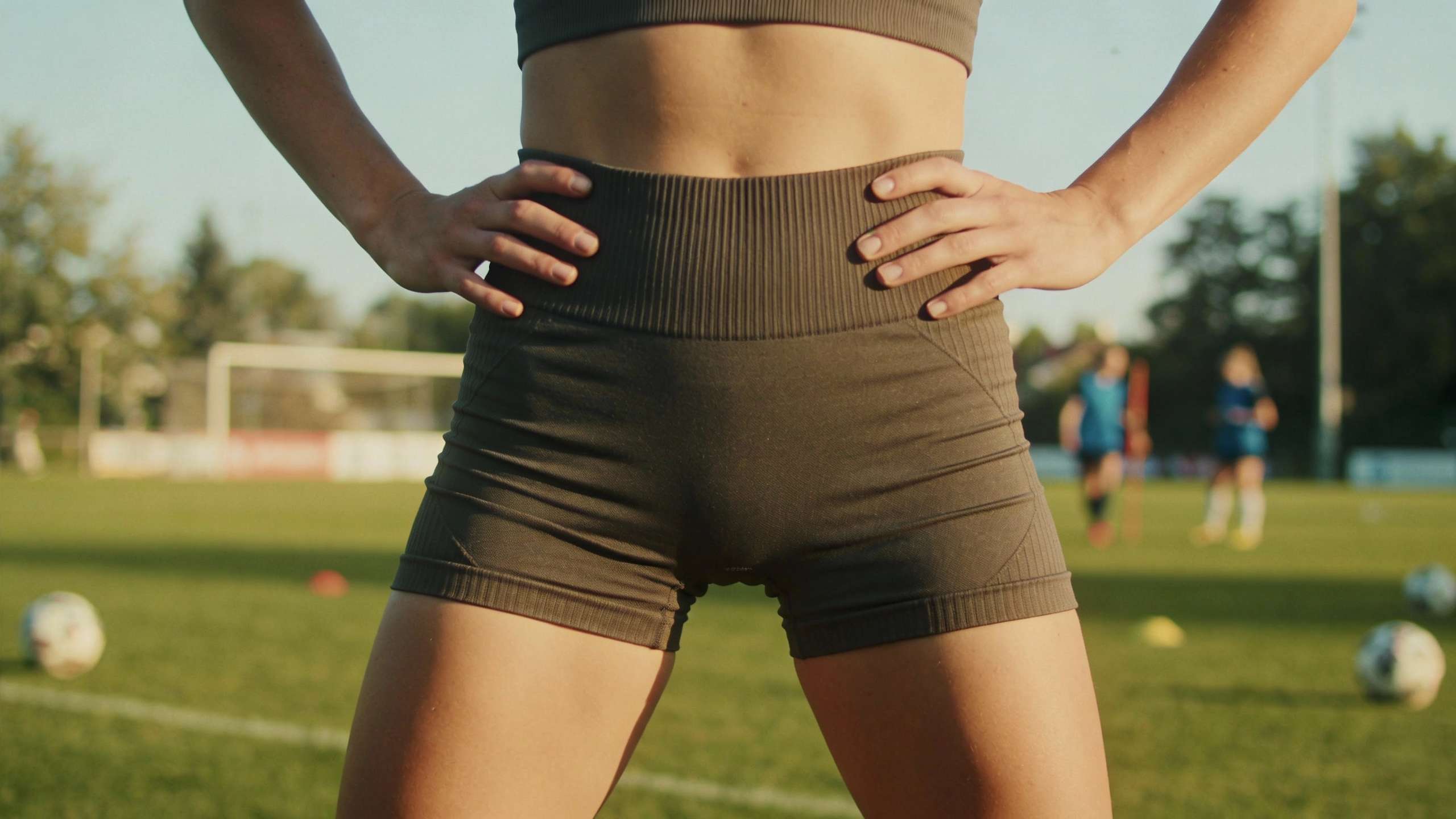
High-waisted sports shorts are defined by one simple detail: the waistband sits significantly higher than the hips. Fitness and lifestyle articles from brands like Emperor Syathra and Goal Five describe high-waisted shorts as styles where the waistband reaches the lower abdomen or even the navel, covering more of the midsection than standard fits. An AliExpress editorial on high-waisted running shorts goes further and notes that many high-rise designs sit several inches higher than traditional shorts.
In practical soccer language, that means three big differences compared with the classic, lower-cut training short. The first difference is coverage. A higher waistband covers more of the stomach and often a bit more of the upper hips and low back. The second difference is support. Multiple sources, including GF Fitness Wear and Hana Football, highlight that this design offers more midsection compression and a “held-in” feel across the core. The third difference is stability. Emperor Syathra, GF, and several coaching-style guides all emphasize that a snug high waistband is less likely to slip or sag, so you are not constantly yanking your shorts back into place between sprints.
That combination explains why high-waisted shorts exploded in gyms and on running routes before they started creeping into football culture. For a midfielder doing repeated accelerations, cuts, and quick pivots, having a waistband that stays exactly where you set it can be the difference between being locked into play and being distracted every time you change pace.
Fit, Rise, And Fabric: The Technical Side
From a performance gear perspective, the “high-waisted” label is only half the story. Two high-rise shorts can behave completely differently depending on rise height, fabric, and compression.
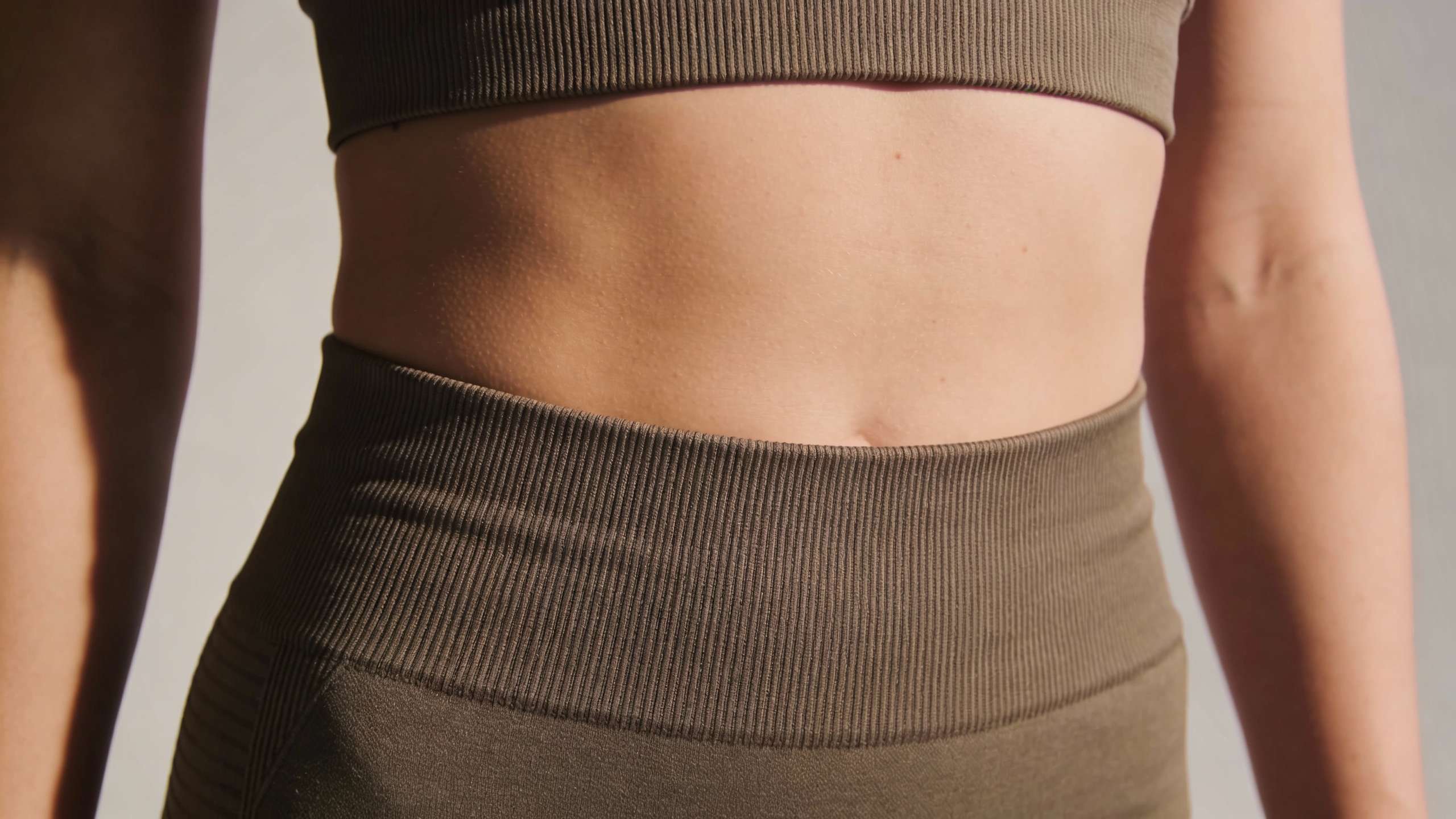
Rise is simply how far the waistband sits above the crotch seam. Lifestyle and activewear pieces highlighted by ModaKnits and DHgate’s fit guide show the typical pattern: high-rise styles sit higher on the torso, visually lengthening the legs and emphasizing the waistline. For many female players, that leg-lengthening effect is a bonus, but the more important dimension is how the waistband interacts with the core. GF Fitness Wear’s high-waist shorts are designed to cover and gently support the core without rolling or digging in, while the Timeless high-waisted shorts from Oner Active rely on a high-rise, stretchy waistband made from a polyester–elastane blend to deliver a stable fit.
Fabric choices are just as critical. Across multiple technical guides, the same pattern appears. Goal Five, Ingorsports, ModaKnits’ biker-short fabric article, and Weft Apparel’s manufacturing overview all push toward synthetic blends for serious training. Nylon–spandex and polyester–spandex blends offer four-way stretch, fast moisture-wicking, and strong shape retention, which matter when you are sprinting, sliding, and getting up again on repeat. The biker-short fabric guide from ModaKnits explicitly recommends these blends for workout shorts because they balance stretch, moisture management, and durability, while warning that cotton and rayon suck up sweat, stay damp, and lose their shape.
For soccer players, that translates into a clear rule of thumb when you reach for high-waisted training shorts. Choose high-rise cuts built from performance fabrics that behave like a second skin: flexible in all directions, quick to dry, and tough enough to survive turf burns and repeated washes without sagging at the waistband.
Why Female Soccer Players Reach For High-Waisted Shorts
When you talk to athletes about why they pick one short over another, their answers usually fall into two buckets. They either say, “It just stays put and feels strong,” or, “I feel confident and ready in it.” High-waisted shorts hit both of those triggers in specific, evidence-backed ways.
Staying Locked In: Less Fuss, More Focus
Traditional soccer shorts are often cut low and loose for thigh freedom, and the Hana Football comparison of high- versus low-waisted sports shorts recognizes exactly that. Low-waisted designs are praised there for being cooler and more comfortable, especially for football where thigh flexibility is nonnegotiable, but the same article admits that low-rise shorts tend to slip and need more readjustment during intense movement.
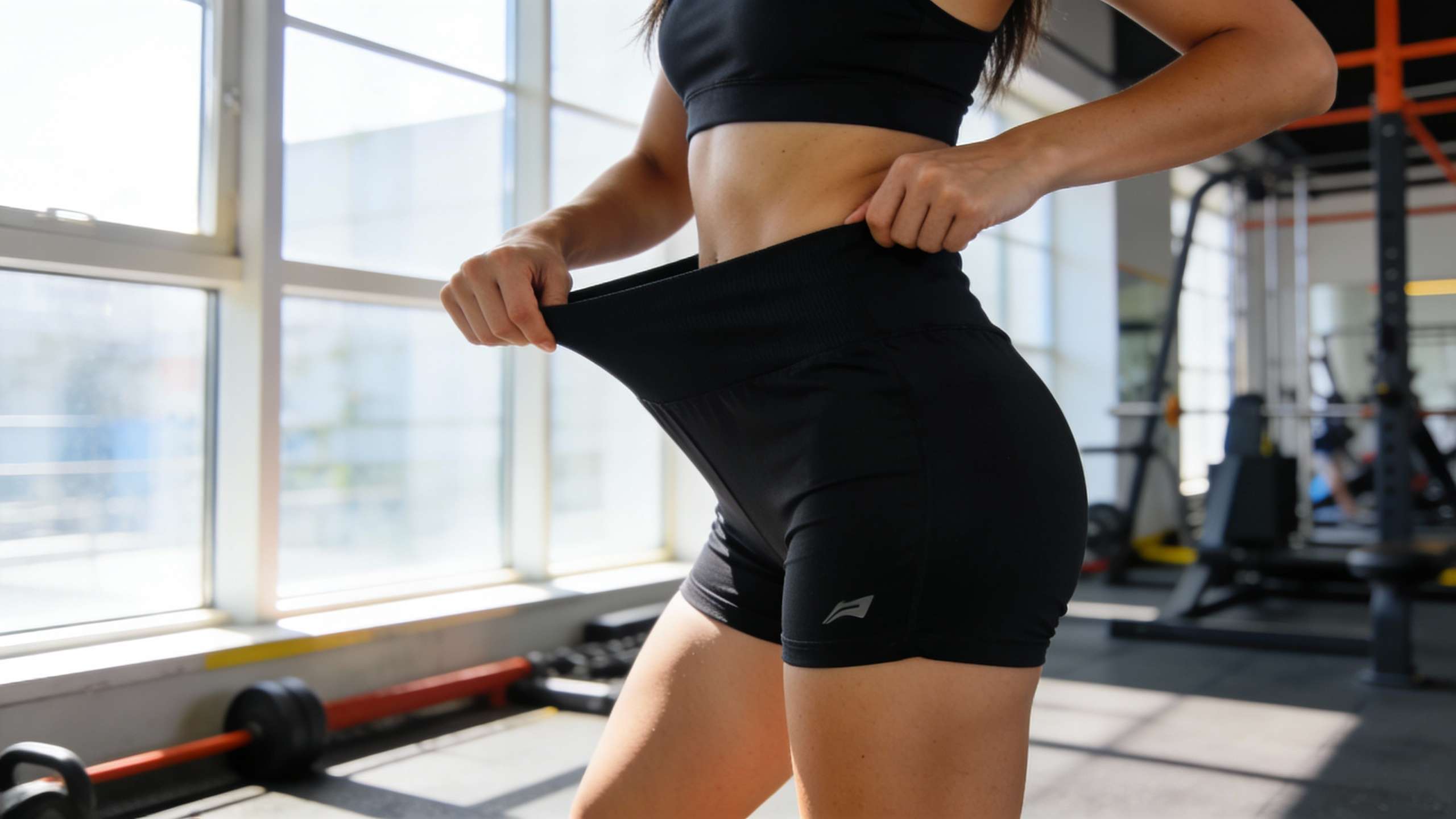
High-waisted designs flip that trade-off. Hana Football notes that a high waistband tends to stay in place better, while Emperor Syathra and GF both describe how a snug, high-rise band reduces the need to tug shorts up between sets of sprints or squats. Running-focused pieces back this up from a slightly different angle. An AliExpress editorial on high-waisted running shorts explains that higher waists resist the downward pull of repeated foot strikes, which helps reduce friction and chafing and cuts down mid-run adjustments. A consumer guide from the Baltimore Sun goes so far as to say that for a high-waisted workout short to be considered high quality, its waistband should not roll down during exercise at all.
Translate that to the pitch and the advantage is obvious. Picture a winger running repeated up‑back shuttles over 20 yards, then adding a sharp cut and shot at the top. If her waistband creeps down half an inch on every acceleration, she is going to feel that instability the moment she plants to cut. After ten or fifteen reps, that constant micro-adjustment leaks mental energy. By contrast, a high-waisted compressive short with a firm but flexible waistband (as GF recommends) gives her one less variable to worry about. She sets it, forgets it, and focuses fully on her first touch and finish.
Core Support, Stability, And Chafe Control
Another reason female players are experimenting with high-waisted shorts is the way these designs interact with the core and hips. Multiple sources point in the same direction. GF highlights that a higher, more supportive waistband can help stabilize the midsection and even improve posture during high-impact moves. Hana Football emphasizes the extra compression and “held-in” feeling through the midsection during running and high-intensity training. The AliExpress running piece adds that gentle core compression can help stabilize muscles and reduce lower back strain while still allowing free hip movement.
Beyond comfort, there is emerging scientific backing for compression. Goal Five’s overview of gym-short materials summarizes sport-science studies showing that compression shorts can reduce muscle damage, inflammation, and post‑workout soreness, with modest improvements in time to exhaustion and perceived exertion. Ingorsports’ comprehensive analysis of gym shorts echoes this, noting that compression elements in shorts improve circulation, reduce fatigue, and support long sessions by keeping muscles more stable.
For female soccer players doing heavy change-of-direction work, this matters. A simple conditioning block might include multiple sets of cone slaloms, lateral shuffles, and deceleration drills. Each rep sends vibration through the quads, hamstrings, and hip stabilizers. A well-designed high-waisted short that combines core compression with thigh-hugging fabric can dampen that vibration and keep the midsection braced, especially when fatigue sets in.
Chafing control is the quieter win. The AliExpress running article calls out reduced friction and thigh chafing as a key benefit of high-waisted designs with smart liners and flat seams. High-waisted gym shorts highlighted by Emperor Syathra and GF are built with moisture-wicking, stretchy materials that pull sweat away from the skin and reduce the chance of fabric bunching in the groin. For a defender grinding out a ninety-minute match on a humid day, not having the fabric rub at the waistband or inner thigh every step can be the difference between finishing strong and limping into stoppage time.
Confidence, Body Image, And The Psychology Of Gear
The appeal of high-waisted shorts is not just mechanical; it is mental. Several sources point to the psychological lift that comes from feeling good in your kit. Goal Five references a 2,000-person study showing that around ninety percent of people said putting on gym clothes motivates them to work out on low-motivation days, and about eighty-five percent said looking good in their gear boosts confidence. That effect is tied to what psychologists call “enclothed cognition,” the idea that what you wear can influence your mood, focus, and perceived competence.
High-waisted designs leverage that mechanism in a very specific way. ModaKnits describes how high-waisted shorts accentuate the waistline, create or emphasize an hourglass silhouette, and visually lengthen the legs. DHgate’s comfort and style guide notes that high-waisted shorts often feel more structured and supportive, making the waist look smaller and legs longer for a polished, camera-ready effect. A Women’s Health editor review of a high-waisted biker short goes even further, saying the high-rise design feels “tucked‑in and secure” without being restrictive.
In practical terms, that means a player who feels self-conscious in low-rise shorts that slide down or dig in can put on a high-waisted training short and suddenly feel covered, secure, and ready to move. Emperor Syathra and GF both underline that high-waisted shorts can flatter many body types and improve body confidence. When you blend that with Nike’s guidance that the right gym shorts should make you feel like you are gearing up to “conquer anything,” you get a clear principle for soccer athletes: if a high-waisted short makes you feel powerful and put together during warm-up, you are more likely to push harder in the actual session.
Trade-Offs And Health Considerations
With all that upside, it is easy to treat high-waisted shorts as a magic bullet. They are not. There are real trade-offs and, in some cases, legitimate health concerns if you choose the wrong cut or compression for your body and your sport.
Mobility And Heat: When Less Is More
Hana Football’s comparison is blunt about one downside: high-waisted shorts can feel too tight around the midsection during deep bending or stretching. The article notes that for yoga or warmup routines with a lot of joint movement, a high, firm waistband can restrict range of motion and cause discomfort. It also points out that because high-waisted designs cover more of your midsection, they can feel warmer and less breathable during hot-weather workouts.
For soccer, where a full training session often blends dynamic stretching, mobility work, and high-speed runs, that means you have to match your waistband to the demands of that specific session. If your warmup includes deep forward folds, hip openers, and extensive core work on the ground, a very stiff, super-high waistband might fight against that movement. On a blazing August afternoon, the extra fabric around your torso can also trap more heat than a lower-cut short, especially if the fabric is thick.
Hana Football actually recommends low-waisted shorts for football in many cases because they allow more freedom around the waist and hips, which is key for thigh flexibility and comfortable strides. The takeaway is not that high-waisted is wrong for soccer, but that you should treat it as a tool, not a default. Use more coverage when you want support and security; dial it back when your priority is maximum airflow and hip mobility.
Pelvic Floor And Breathing: The Tightness Trap
The most serious caution around high-waisted bottoms comes from pelvic health specialists. Runner’s World interviewed Dr. Amaya Liles, a physical therapist specializing in orthopedic and pelvic health, about the impact of tight high-rise waistbands. She explains that very tight waistbands can act like a tourniquet at the abdomen, pushing pressure downward into the pelvic floor muscles, which already work hard in coordination with the abs, hips, inner thighs, glutes, and back. Over time, that extra pressure can contribute to issues like pelvic floor tension, bladder leakage, a feeling of heaviness, or hip discomfort.
Dr. Liles also notes that squeezing the abdomen with tight clothing can limit the space your intestines and diaphragm need to function. That can aggravate digestive issues and encourage shallow breathing instead of deep belly breaths. On the run, that pattern can show up as side stitches and a sense that you cannot quite get enough air. On the field, where you are constantly transitioning from low defensive stances to sprinting, you do not want your waistband fighting your breathing mechanics.
Her practical recommendation is simple and directly useful for soccer players considering high-waisted shorts: you can absolutely wear high-rise tights or shorts, but you should be able to slide your hand comfortably inside the waistband and feel some give. She also suggests that athletes with pelvic floor issues may want to avoid super-tight, high-compression waistbands all the time and instead rotate in looser athletic shorts while they work on strengthening their core and lower abs.
For a footballer, that might look like using a snug high-waisted short for specific high-impact sessions where you want extra core support, while choosing a more forgiving waistband for recovery runs, mobility days, or long travel days where you need your breathing and digestion to be fully free.

How To Choose The Right High-Waisted Shorts For Soccer Use
Choosing a high-waisted short for soccer is not the same as picking one for casual wear. You are asking your gear to survive sharp cuts, slides, and full-stretch lunges, not just a coffee run. The good news is that technical guidance from brands like Goal Five, Pursue Fitness, Virus Europe, Nike, and Ingorsports gives a clear roadmap.
Fit And Compression: Snug, Not Suffocating
Pursue Fitness frames ideal gym-short fit as a “hug” around the hips and butt, like a glove that supports without restricting. Their women’s fit guide warns against shorts that ride up, dig in, or require constant tugging. Multiple sources emphasize similar principles for high-waisted styles. GF advises choosing a firm yet flexible waistband that stays in place without rolling, slipping, or sagging. The Baltimore Sun’s buying guide stresses that a quality high-waisted short should not have its waistband roll down mid‑workout.
Layer on Dr. Liles’ pelvic health advice, and you get a simple test. When you pull on a high-waisted short, it should feel snug around your waist and hips, but you should be able to slide your hand inside the waistband without pain or struggle. Light to medium compression is usually the sweet spot. If breathing deeply feels harder, your stomach feels compressed, or you notice any tingling down the legs, the waistband is likely too tight for soccer’s demands.
Fabric And Construction: Built For The Pitch
Fabric is where performance-minded brands all agree. Goal Five’s materials breakdown points to polyester and nylon blends with spandex as top performers for active shorts because they are lightweight, stretchy, moisture-wicking, and quick-drying. Ingorsports highlights the same types of fabrics for their ability to manage sweat, regulate temperature, and hold shape across long training cycles. ModaKnits’ biker-short fabric guide reinforces that nylon–spandex and polyester–spandex blends are the best choice when you want stretch, shape retention, and moisture control, while explicitly advising against cotton and rayon for serious active use because they absorb sweat, dry slowly, and tend to bag out.
For female soccer players, that means prioritizing high-waisted shorts that feel light in the hand, spring back when you stretch them, and list a synthetic performance blend on the tag. Look for design cues that are repeated across reputable guides: flatlock seams to reduce chafing, mesh panels or breathable zones for ventilation, and, if you want extra security, built-in liners that provide support without adding bulky layers. Nike’s gym-short buying advice and Virus Europe’s activity-based guide both encourage choosing pockets and seams that do not interfere with movement. In practice, that means low-profile pockets that sit flat against the hips or waistband so they will not flap or bounce when you accelerate.
High- Vs Low-Waisted For Soccer: A Quick Comparison
Different sources position high- and low-waisted shorts as tools for different jobs rather than rivals. Hana Football, DHgate’s comparison, and the AliExpress running article give enough detail to sketch a simple performance contrast that is very relevant for soccer.
|
Factor |
High-waisted sports shorts |
Low-waisted sports shorts |
|---|---|---|
|
Midsection support |
Stronger support and compression; “held-in” core feel (GF, Hana Football, AliExpress) |
Minimal core support; more relaxed, less compressive (Hana Football, DHgate) |
|
Stay-put stability |
Tend to stay in place better and reduce adjustments (Hana Football, AliExpress, GF) |
More prone to slipping down and needing readjustment in intense work (Hana Football) |
|
Breathability and heat |
More coverage, can feel warmer in hot weather (Hana Football) |
Cooler and more breathable around the torso (Hana Football) |
|
Freedom at waist/hips |
Slightly more restriction if very tight during deep bending (Hana Football, Runner’s World) |
Extra freedom at waist and hips for bending and twisting (Hana Football) |
|
Aesthetic and feel |
Accentuates waist, lengthens legs, polished look (ModaKnits, DHgate, Women’s Health) |
Laid-back, breezy vibe with less structure (DHgate, Hana Football) |
For a female soccer player, that table points toward a mixed strategy. High-waisted shorts shine when you want core support, a secure waistband, and a confident silhouette during intense training, gym sessions, or conditioning runs. Classic low-waisted soccer shorts are still hard to beat when the priority is maximum cooling and hip freedom for a long match in heavy heat.
A Week Of Training With High-Waisted Shorts
To see how this plays out in real life, imagine a typical in‑season week for a competitive player who has access to both styles. On a Monday strength session in the weight room, she pulls on a high-waisted, compressive short built from a nylon–spandex blend, similar to the high-rise fit GF and Ingorsports describe. The snug waistband keeps her midsection stable during squats and deadlifts while flat seams prevent chafing on the bench.
On Tuesday, the team runs technical drills and small-sided games outdoors. The day is cooler, and the schedule includes a long series of short sprints and agility work. Here she chooses a high-waisted running short inspired by the AliExpress design: quick-drying fabric, an internal drawstring, and a higher waist that will not budge when she decelerates or plants to cut.
By Wednesday the forecast hits peak heat, and practice leans more toward possession work and pattern play. She opts for the traditional low-rise team shorts that Hana Football notes are cooler and looser, pairing them with a lighter base layer under her jersey. The trade-off in core support is worth the extra airflow.
Later in the week, during a recovery day featuring yoga-inspired mobility work and light jogging, she has a choice. If she picks a very tight, ultra-high waistband, she may feel exactly the restrictions Hana Football warns about and the abdominal pressure Dr. Liles describes. If she chooses a softer, high-waisted short with light compression—something more in line with the Old Navy PowerSoft styles Dr. Liles likes, or the buttery-soft biker short praised by Women’s Health editors—she can enjoy the coverage and comfort of a high rise without feeling squeezed.
Across that week, the appeal of high-waisted shorts comes into focus. They are not a replacement for everything; they are a powerful tool in the rotation, especially for sessions where core security, stay-put stability, and confidence matter most.

FAQ: High-Waisted Shorts And Soccer
Do high-waisted shorts restrict kicking or sprinting? When the fit and fabric are right, high-waisted shorts should not restrict your stride or your swing. Multiple sources, including Emperor Syathra, Goal Five, and Virus Europe, emphasize that performance shorts should allow full range of motion for running, squats, and dynamic movements. The key is to choose designs with four-way stretch and to avoid waistbands that feel like a belt cinched too tight. If you can perform a full lunge, a high knee drive, and a strong follow-through without feeling the waistband bite into your stomach or hips, you are in the safe zone.
If high-waisted shorts are so good, why are classic soccer shorts still low-waisted? Hana Football’s breakdown gives a straightforward answer: for sports like football that demand constant bending, stretching, and twisting, low-waisted shorts have a clear advantage in freedom and cooling around the waist and hips. They keep the torso cooler and feel less restrictive in long, hot sessions. High-waisted designs bring more support, structure, and stay-put stability, but that extra fabric and compression can be overkill for some players in match conditions. That is why many female soccer players treat high-waisted shorts as their go‑to for strength work, conditioning, and certain training drills, while still relying on classic low-rise team shorts for game day.
How tight is too tight for a high-waisted soccer short? Dr. Amaya Liles’ pelvic-health guidance from Runner’s World offers a simple rule that applies perfectly to soccer. You want to be able to slide your hand comfortably inside the waistband and feel some give. If the band leaves deep red marks, makes deep breathing harder, or triggers bloating or digestive discomfort, it is too tight for the kind of explosive movement and sustained effort soccer demands. Aim for light to medium compression and remember that you do not need maximal squeeze to get the stability and confidence benefits.
Closing Thoughts
From a performance-engineering standpoint, the appeal of high-waisted shorts for female soccer players is no mystery. A well-designed high-rise short stabilizes the core, stays locked in place through every cut and sprint, manages sweat, and often makes the athlete feel stronger and more confident the moment she pulls it on. The flip side is that the wrong cut or compression can fight your breathing and your mobility.
Treat your shorts the way you treat your boots: match the design to the surface, the session, and your body. When you do, a high-waisted short stops being just a trend and becomes another piece of precision gear in your performance arsenal, ready to carry you from the training ground to the next big adventure on the pitch.
References
- https://www.ingorsports.com/blog-the-impact-of-gym-shorts-on-athletic-performance-a-comprehensive-analysis.html
- https://www.adidas.com/us/women-shorts
- https://cw-x.com/collections/womens-shorts
- https://smart.dhgate.com/high-waisted-vs-low-waisted-shorts-why-is-everyone-so-obsessed-with-one-over-the-other/
- https://modaknits.com/what-are-the-benefits-of-wearing-high-waisted-shorts/
- https://www.nike.com/a/buy-gym-shorts
- https://us.oneractive.com/products/timeless-high-waisted-shorts-black
- https://weftapparel.com/gym-shorts-materials/
- https://www.amazon.com/GYM-PEOPLE-Womens-Tummy-Control-Athletic/dp/B097NQQ9SD
- https://emperorsyathra.com/blogs/active-wear/comfort-zone-high-waist-gym-shorts-for-womens-fitness
RELATED ARTICLES


Ready to start your sportswear brand?
Get a free quote for custom sportswear manufacturing with no minimum order quantity.