
Why Pure Cotton Fabric Is Unsuitable for High-Intensity Aerobic Exercise

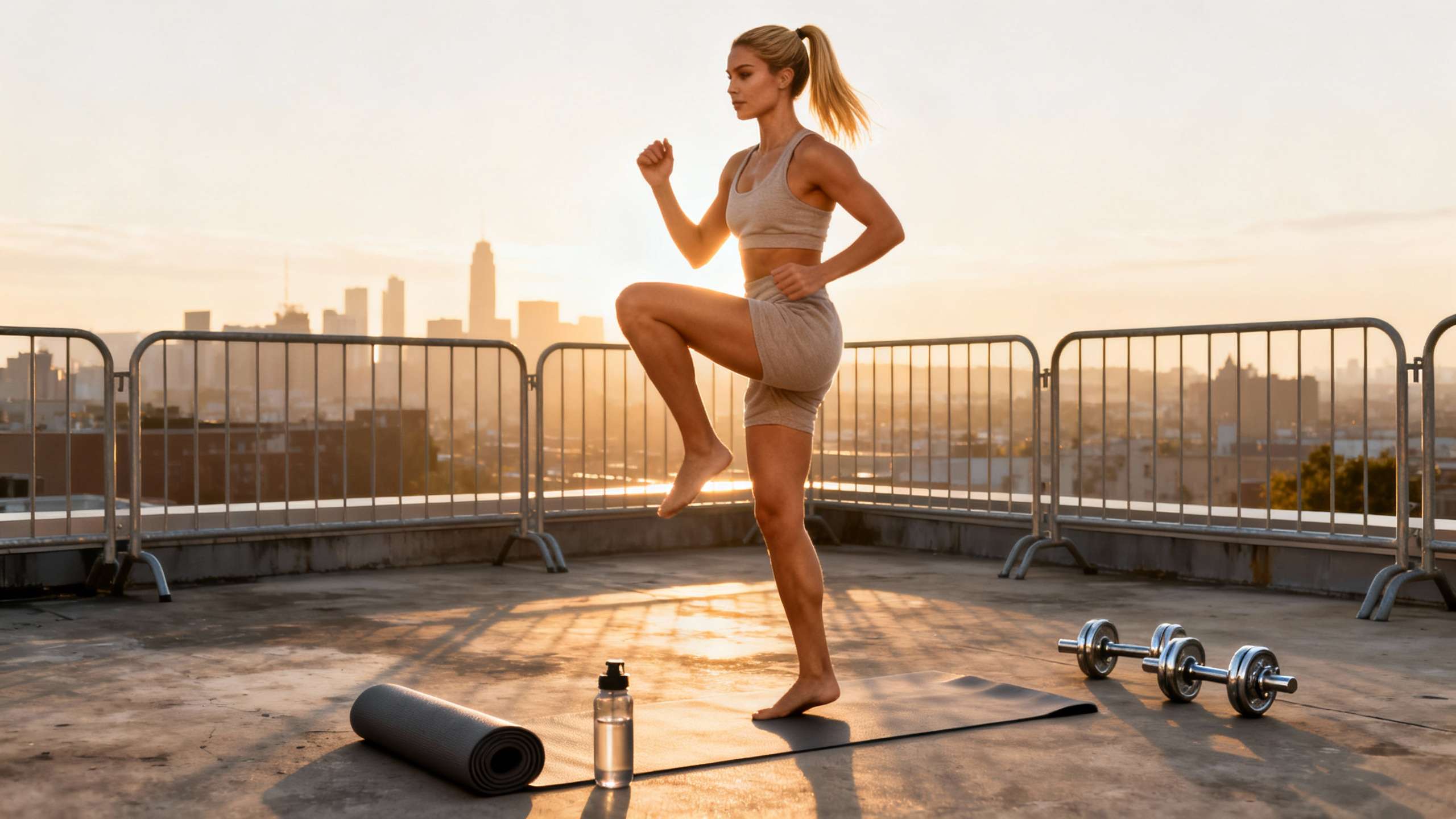
Table of Contents
- What High-Intensity Aerobic Exercise Demands From Your Clothing
- How Pure Cotton Actually Behaves
- Cotton’s Comfort Zone: Low-Intensity Days
- The Moisture Trap: Absorbing Instead of Wicking
- A Session Gone Wrong: Cotton In The Real World
- Performance Problems Cotton Creates In Hard Cardio
- Overheating When You Push The Pace
- Chafing, Rashes, And Skin Irritation
- Heavy, Clingy, And Slowing You Down
- Getting Chilled As Soon As You Stop
- Hygiene And Odor: Not As Simple As It Looks
- Cotton vs Performance Fabrics: Side-by-Side
- When Cotton Is Fine — And When It’s A Hard No
- How To Choose Better Gear For High-Intensity Aerobics
- FAQ
- Is any cotton okay for hard cardio?
- Are cotton blends a good compromise?
- What about cotton socks or underwear?
- Closing
- References
When you are hammering through hill sprints, grinding on a stationary bike, or hustling through a Hyrox-style circuit, your clothing stops being “just fabric” and becomes part of your performance system. As a Kawasaki performance specialist and adventure enthusiast, I treat apparel the same way I treat a race-tuned bike or a well-built ADV rig: if it cannot handle heat, speed, sweat, and abuse, it does not belong in the lineup.
Pure cotton is fantastic for a lazy Sunday in the garage or a casual walk. But the moment you crank into high-intensity aerobic work, that same soft cotton tee turns into a wet, heavy, chafe-prone anchor. Multiple performance apparel guides from brands like REI Co-op, Gazelle Sports, Real Thread, and TuffWraps all converge on the same conclusion: cotton absorbs and holds sweat, which makes it a poor choice for serious, high-sweat training.
This article breaks down why that happens, how it affects your performance and comfort, and what fabrics you should lean on instead when you are pushing your engine into the red zone.
What High-Intensity Aerobic Exercise Demands From Your Clothing
High-intensity aerobic work is a different planet from casual movement. Think fast running intervals, aggressive spin classes, HIIT circuits, and hard conditioning sessions that leave sweat dripping off your helmet liner or visor strap.
In those sessions, your body is dumping heat and moisture as fast as it can. Your heart rate stays high, your core temperature climbs, and your muscles are firing through big ranges of motion. The fabric next to your skin has to help manage all that, not fight against it.
Across many performance-fabric guides from sources like Gazelle Sports, Cosmo Sourcing, and Muve Life, the same key requirements show up for high-intensity training gear. First, moisture management: fabrics need to pull sweat away from your skin and onto the outer surface of the garment where it can evaporate quickly. Second, breathability and temperature regulation: the material must allow air to move and heat to escape so you do not overheat. Third, light weight and quick drying: soaked, heavy clothing drags you down and prolongs that “clammy” feeling between intervals. Finally, stretch, flexibility, and durability are critical so your gear moves with you, resists chafing, and stands up to frequent, hard use.
Synthetic fabrics like polyester and nylon, and technical natural options like merino wool and bamboo, are engineered or selected to hit those targets. Pure cotton, by contrast, was never designed for that job.

How Pure Cotton Actually Behaves
Cotton is a natural fiber that feels instantly familiar. It is soft, breathable in the basic sense that air can move through it, and it tends to resist odor better than many synthetics. Guides from Gazelle Sports, REI Co-op, and several activewear manufacturers all agree that cotton is comfortable and lightweight in everyday scenarios.
Those same sources also highlight the catch: cotton absorbs moisture into the fiber itself and holds it. It does not move sweat away from your skin efficiently, and it does not dry fast. That one property is the root of almost every problem you run into when you wear a pure cotton tee or hoodie for high-intensity aerobic work.
Cotton’s Comfort Zone: Low-Intensity Days
When the pace is easy, cotton still has a role. Articles from Gazelle Sports, RVCA, and activewear brands that work with multiple fabric types repeatedly recommend cotton for low-sweat activities such as yoga, walking in moderate temperatures, or casual movement. You get softness, breathability, and a natural feel, and you are not generating enough sweat to completely saturate the fabric.
Cotton’s natural odor resistance is also useful for day-to-day wear. Performance overviews from Gazelle Sports and Tack Apparel note that cotton does not hang onto unpleasant smells as aggressively as many synthetics do. For lifestyle pieces and low-intensity days, that is a real plus.
The moment you step into high-intensity aerobic territory, though, the equation flips.
The Moisture Trap: Absorbing Instead of Wicking
Moisture-wicking fabrics are engineered to move sweat. Guides from DICK’S Sporting Goods, RVCA, and Fabric & Flow all explain the same mechanism: wicking fabrics use tiny capillary spaces between fibers to pull moisture off your skin, spread it across the fabric’s surface, and let it evaporate quickly. That combination keeps you drier, improves thermoregulation, and reduces the sticky, clammy feeling that distracts you mid-workout.
Cotton does almost the opposite. According to REI Co-op, cotton absorbs and holds moisture inside the fibers instead of transporting it outward, which makes it a poor choice for sweat-producing activities. Cosmo Sourcing and TuffWraps echo this, describing how cotton holds onto sweat, becomes heavy and damp, and dries slowly. Real Thread, in a guide on gym shirt materials, points out that one hundred percent cotton shirts feel great for everyday wear but tend to leave you feeling damp and uncomfortable in intense workouts because the sweat simply soaks in and stays there.
RVCA’s moisture-wicking overview is very explicit: cotton is breathable, but it is not moisture-wicking unless it is specially treated, because it absorbs liquid into its fibers instead of pushing it out. That is the critical difference between “breathable” and “performance-ready.”
A Session Gone Wrong: Cotton In The Real World
If you have ever taken a cotton tee into a hard spin class or sprint session, you already know how this plays out. I have done it myself testing gear for riders who insist on “just a regular T-shirt” under their protective layers.
The first few minutes feel fine. As the intensity climbs, sweat starts to soak into the cotton. By mid-session, the shirt clings to your torso, especially across the chest and lower back. The fabric sticks in your elbow creases during push-ups or burpees. When you hit a short rest, you notice a cool, wet band across your ribs. Standing near a fan, the damp cotton chills you quickly, but the shirt itself is still heavy and wet.
That experience lines up exactly with what brands like Twenty One Run describe for runners who wear cotton: the fabric becomes heavy, clingy, and chafe-prone as it loads up with sweat. It is not just uncomfortable; it affects how you move and how long you can stay focused.

Performance Problems Cotton Creates In Hard Cardio
Once you understand that cotton is a moisture sponge, the cascade of issues in hard aerobic training becomes obvious.
Overheating When You Push The Pace
Performance fabric guides from Fabric & Flow, Gazelle Sports, Swolespartan, and others all emphasize that moisture-wicking and breathability work together to regulate body temperature. When sweat is pulled off your skin and evaporates efficiently, your body’s natural cooling system works the way it should.
With pure cotton, sweat accumulates at the skin–fabric interface. Instead of being pulled away, it forms a wet layer that blocks airflow. Gazelle Sports notes that cotton traps sweat against the skin, causing heat and stickiness. Swolespartan describes how the wrong fabrics in intense workouts can trap heat and moisture, leading to overheating.
The result is simple: your cooling system is handicapped. You feel hotter than you should for a given effort, your perceived exertion climbs, and you are more likely to back off or cut a session short.
Chafing, Rashes, And Skin Irritation
High-intensity aerobic work involves repetitive movement and plenty of friction. Whenever you mix friction with trapped moisture, you increase the risk of chafing and irritation.
Activewear guides from REI Co-op, Swolespartan, and multiple performance brands consistently connect poor moisture management with chafing, rashes, and even blisters. Gazelle Sports highlights that trapped sweat in cotton can cause irritation, while Swolespartan explicitly warns that the wrong fabrics during intense training can lead to chafing, rashes, and blisters because of heat and moisture buildup.
When cotton gets wet, it does not just cling; it also becomes slightly rougher against your skin. Over the course of a long run, a sustained HIIT session, or a long day of adventure riding with intense off-bike conditioning, that constant rubbing across a damp surface can chew up your underarms, nipples, inner thighs, or waistband area.
Heavy, Clingy, And Slowing You Down
High-performance exercise fabrics are typically light and designed to stay that way even when you sweat. InPhorm, Muve Life, and Swolespartan all highlight the importance of lightweight, quick-drying materials that do not weigh you down and that dry fast between intervals.
Cotton goes the other way. Cosmo Sourcing and TuffWraps both note that cotton absorbs moisture, becomes heavy and damp, and loses some of its shape. Twenty One Run specifically recommends that runners avoid cotton because it absorbs and holds sweat, becoming heavy and clingy.
In high-intensity aerobic work, any extra drag or cling is a problem. A soaked cotton top can pull on your shoulders, stick to your lower back under a hydration pack or chest protector, and tug at your waist during jumps, sprints, or burpees. That does not just feel bad; it subtly changes your mechanics and wastes energy you could be putting into the workout.
Getting Chilled As Soon As You Stop
Sweat is your body’s built-in coolant, but you need smart fabric behavior to avoid swinging from too hot to too cold. RVCA explains that when sweat is absorbed into your workout clothes and just sits there, it can make you feel hot during the effort and then cold once you stop moving.
Cotton is exactly that scenario. Once your session eases off, the wet cotton next to your skin starts pulling heat away. Because the fabric dries slowly, you stay wrapped in a cold, damp layer for far longer than you would in a moisture-wicking shirt. For outdoor sessions, commutes on the bike after a workout, or early-morning training, that rapid cooling can make post-workout recovery feel miserable.
Hygiene And Odor: Not As Simple As It Looks
There is an interesting nuance here. Several sources, including Gazelle Sports and Tack Apparel, note that cotton manages odor better than many synthetics; it does not retain smells as aggressively as polyester or nylon. That is one reason cotton remains popular for casual wear.
At the same time, those same articles emphasize that cotton holds onto moisture against your skin. That prolonged dampness, especially if you stay in the garment for a while after training, is exactly the environment that lets bacteria thrive on your skin and in skin folds. Moisture-wicking synthetics can retain odors in the fabric itself more easily, but they are at least moving sweat away from your skin and drying faster.
From a practical standpoint, that means cotton might smell less in the short term but can leave you sitting in a wet microclimate longer. That is not what you want after an all-out conditioning block or a summer run.

Cotton vs Performance Fabrics: Side-by-Side
To see the contrast clearly, it helps to line cotton up against the fabrics that major performance and outdoor brands actually recommend for high-intensity training, such as polyester, nylon, merino wool, and bamboo. The table below summarizes the key differences based on the fabric guides in the research.
|
Feature |
Pure cotton |
Polyester / nylon performance blends |
Merino wool / bamboo performance fabrics |
|---|---|---|---|
|
Moisture behavior |
Absorbs and holds sweat in the fibers |
Moisture-wicking; pulls sweat to surface for faster evaporation |
Moisture-wicking; can absorb some moisture yet still feel relatively dry |
|
Drying speed |
Slow drying, stays damp |
Quick drying, especially in lightweight constructions |
Moderate drying; faster than cotton, usually slower than top synthetics |
|
Temperature regulation |
Breathable but poor for high-sweat work |
Designed to support thermoregulation in hot and cold conditions |
Excellent natural thermoregulation; warm when cold, cooler when hot |
|
Weight and feel when soaked |
Becomes heavy, clingy, and saggy |
Stays relatively light; retains shape |
Stays functional; may feel slightly heavier but not as sodden as cotton |
|
Stretch and mobility |
Limited natural stretch |
Often blended with spandex for four-way stretch |
Naturally flexible in knits, often blended for added stretch |
|
Odor behavior |
Resists odor better than many synthetics |
Can retain odor; often treated with antimicrobial finishes |
Naturally odor-resistant (merino, bamboo) |
|
Best use scenarios |
Casual wear, low-intensity, moderate temperatures |
High-intensity training, running, cycling, gym, outdoor cardio |
Trail running, variable-weather training, longer sessions with odor concerns |
This is why so many guides point in the same direction. TuffWraps recommends polyester, nylon, and spandex blends for high-energy workouts and explicitly lists one hundred percent cotton among fabrics to avoid. Gazelle Sports, Cosmo Sourcing, and Twenty One Run all state that cotton should be reserved for low-sweat activities, while synthetics or performance naturals should be used when sweat output is high.

When Cotton Is Fine — And When It’s A Hard No
Cotton is not “bad” fabric. It is just the wrong tool for a very specific job.
Multiple sources, including Gazelle Sports, RVCA, REI Co-op, and Cosmo Sourcing, agree that cotton is perfectly reasonable for low-intensity activities such as walking, casual stretching, or gentle yoga in moderate conditions. It is also a strong choice for lifestyle and athleisure pieces where comfort and softness matter more than sweat management, and where you are not pushing your body into high gear.
The red flag is sustained, high-sweat cardio. Whenever you know you will be drenched, breathing hard, and generating a lot of heat, pure cotton becomes a liability. That includes hard interval runs, aggressive cycling, HIIT circuits, intense group fitness classes, and many conditioning sessions that riders and outdoor athletes use to build their engine for long adventure days. In those scenarios, performance fabrics are not a luxury; they are basic equipment.

How To Choose Better Gear For High-Intensity Aerobics
If you are upgrading from cotton, you do not have to become a textile engineer, but you should learn to read fabric tags and feel for the right characteristics. The research notes from Fabric & Flow, Swolespartan, inPhorm, 330 Trading, and others give a clear roadmap.
Start with moisture-wicking performance fabrics as your primary base layer for any high-intensity cardio. Polyester is the workhorse here. Gazelle Sports, Fabric & Flow, and multiple activewear manufacturers describe polyester as durable, lightweight, breathable, highly moisture-wicking, and quick-drying. Nylon is just as interesting, combining strength, elasticity, and moisture-wicking ability with a smoother handfeel. Many top-tier running and training shirts use polyester or nylon with a small percentage of spandex to add four-way stretch.
Look for words like “moisture-wicking,” “quick-drying,” and “performance” on the hangtag or product description. Articles from Bicycling and Women’s Health highlight that the best high-sweat tops and leggings explicitly advertise these traits and are often tested for things like comfort under packs, freedom of movement, and odor control.
Think about your environment as well. For hot, indoor classes or summer runs, lightweight polyester or nylon blends with mesh panels or eyelet constructions work extremely well. Fabric & Flow and CLIFTON’s performance guide talk about wide-eyelet and performance mesh fabrics that increase airflow and cooling in heat- and sweat-prone zones such as underarms and backs. For colder conditions, Cosmo Sourcing and TuffWraps point toward merino wool or polyester fleece layers that can keep you warm while still managing moisture.
Do not forget about stretch and fit. Hotsuit’s guide to high-intensity training gear emphasizes four-way stretch as a core requirement so clothing can move like a second skin through deep squats, sprints, and explosive movements. Muve Life and 330 Trading stress the role of compression and elastic blends for supporting muscles and maintaining freedom of motion. In practice, that usually means polyester or nylon blended with spandex or elastane, cut in a close, athletic fit that sits near the skin without feeling restrictive.
Care matters just as much as fabric selection. Multiple guides, including those from Fabric & Flow, Swolespartan, Wooter, and REI Co-op, recommend washing performance fabrics in cold water with mild detergent, avoiding fabric softeners and dryer sheets that can clog moisture-wicking channels, and air-drying or using low heat to protect stretch fibers. Following those steps keeps your gear wicking well and extends its life, which is exactly what you want from high-performance training apparel.
From a Kawasaki mindset, think of this like maintaining your suspension or cooling system. Choosing the right components is step one; taking care of them so they keep performing at their best is step two.
FAQ
Is any cotton okay for hard cardio?
Most expert guides agree that pure cotton is not ideal once you are in true high-intensity, high-sweat territory. That said, a small amount of cotton blended into a performance fabric can be workable for moderate efforts. Some brands intentionally use cotton–polyester blends to preserve a soft handfeel while letting the synthetic fibers do the moisture-wicking. Articles from 330 Trading and CLIFTON describe cotton blends used in lifestyle-focused athleisure pieces where sweat levels are lower. For your hardest interval days or race-pace training, though, fully performance-oriented fabrics still win.
Are cotton blends a good compromise?
Cotton blends can be a smart middle ground when the goal is versatility rather than peak performance. Activewear guides from inPhorm, 330 Trading, and others highlight blended fabrics that combine cotton’s softness with polyester’s or spandex’s strength and moisture control. These blends reduce, but do not completely eliminate, cotton’s tendency to hold moisture. If your typical cardio sessions are moderate in length and intensity, a good cotton–polyester blend may work fine. When you know you are going to be absolutely drenched, it is safer and more comfortable to reach for fully synthetic or performance natural fabrics like merino.
What about cotton socks or underwear?
The same principles apply to what you wear on your feet and under your main layers. Fabric guides from Swolespartan, REI Co-op, and Cosmo Sourcing link poor moisture management to hot spots, chafing, and blisters, especially during intense or long workouts. Merino wool and technical synthetic blends are widely recommended for high-sweat socks because they wick moisture and regulate temperature better than cotton. For underwear under training shorts or riding gear, look for moisture-wicking, stretchy fabrics rather than cotton, particularly if you are doing long cardio sessions or spending full days mixing riding with off-bike conditioning.
Closing
High-intensity aerobic training is where you build the engine that powers everything from race-day pace to backcountry adventures. Pure cotton simply cannot keep up with that level of heat, sweat, and motion. When you swap that heavy, soaked tee for a purpose-built, moisture-wicking layer, the difference in comfort, focus, and performance is as dramatic as upgrading from a commuter bike to a dialed-in performance machine.
If you are serious about riding harder, running farther, or tackling bigger adventures, treat your training apparel like part of your performance kit, not an afterthought. Leave pure cotton for the cooldown and the campfire. When it is time to go full throttle, gear up in fabrics that are engineered to run hot with you and still keep their cool.

References
- https://www.330trading.com/blogs/the-ultimate-guide-to-performance-fabrics-for-athleisure-apparel
- https://www.cosmosourcing.com/blog/the-ultimate-guide-to-activewear-fabrics
- https://www.joininflow.io/blogs/selecting-high-performance-fabrics-for-activewear
- https://midwestworld.com/what-fabric-is-best-for-sportswear-a-simple-guide/
- https://www.moodfabrics.com/applications/athleticwear-fabrics
- https://www.realthread.com/blog/best-t-shirt-materials-for-gym
- https://tackapparel.com/types-of-sports-fabric/
- https://www.twentyonerun.com/blogs/breathable-and-chic-the-best-fabrics-for-womens-running-clothes
- https://www.cliftonclothing.com/blog/post/fabrics-for-activewear-performance-materials-guide?srsltid=AfmBOopCJi28TL3OXsFfnNcUqTm-5zqNYt80KFyfI7RKU2bliu4ZnCfw
- https://fabricandflow.com/blogs/news/what-is-the-best-fabric-for-wicking-moisture-our-top-5-choices?srsltid=AfmBOorQ82wjSvTC5rRsFZGgL5jp0BKDiackMCROn-Y3OyugxYFUu-R5

RELATED ARTICLES

Ready to start your sportswear brand?
Get a free quote for custom sportswear manufacturing with no minimum order quantity.