
How Plaid Fabric Supercharges Style in Casual Sportswear

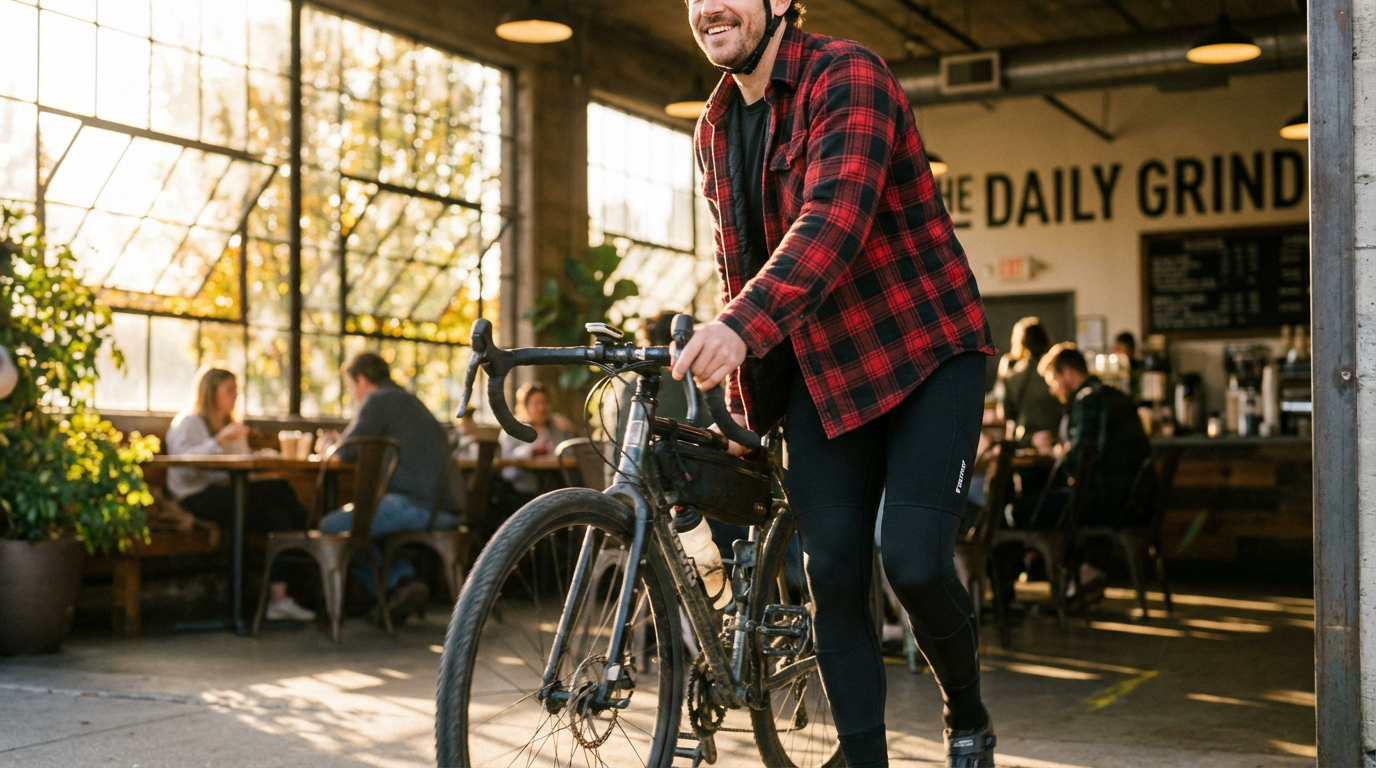
Table of Contents
- Plaid 101: Getting The Pattern Right
- Why Plaid Works So Well In Casual Sportswear
- Built-In Visual Energy On Simple Silhouettes
- Translating Heritage Into Modern Performance
- Versatility From Trail To Town
- Fabric First: What Makes Plaid Work For Active Use
- Understanding Fiber And Blend Choices
- Avoiding Common Fabric And Print Pitfalls
- How To Use Plaid In A Performance-First Wardrobe
- Plaid Shirts, Flannels, And Shackets As Dynamic Layers
- Plaid Bottoms With Solid Performance Tops
- Tracksuits, Co-ords, And Matching Sets
- Accessories And Micro-Plaids
- Pros And Cons Of Plaid In Casual Sportswear
- What Plaid Does Exceptionally Well
- Trade-Offs And How To Solve Them
- A Four-Season Plaid Playbook For Active Lives
- FAQ
- Can plaid really work for serious training, or is it just lifestyle?
- Is plaid flattering on athletic or curvy bodies?
- How should I care for plaid activewear and layers?
- References
When you live in performance gear the way I do, you get picky about what earns space in your duffel. If a piece can’t move on the bike, breathe on the trail, and still look sharp when you pull into a coffee stop, it gets benched fast. Plaid keeps surviving that cut.
From Scottish wool kilts to punk shirts and grunge flannels, plaid has carried tradition, rebellion, and reinvention on its shoulders for centuries. Textile experts at Audaces describe it as a core fashion staple with a strong visual identity that works from tailoring to streetwear. Right now, it is also having a serious moment in casual sportswear, from plaid printed spandex leggings to lightweight tracksuits and shackets that move effortlessly between training and everyday life.
If you are building a performance-first wardrobe with a Kawasaki-level appetite for speed and adventure, plaid can be a quiet upgrade or a full-on style statement. The key is understanding the pattern, picking the right fabrics, and using it strategically with your athletic gear.
Plaid 101: Getting The Pattern Right
Before you start layering plaid over your favorite compression pieces, it helps to know what you are actually looking at. Fabric specialists like Zelouf Fabrics and Tartan Vibes Clothing break the category down clearly.
Plaid itself is the broad umbrella term. It is any pattern created by intersecting vertical and horizontal stripes of various widths and colors, repeating in a grid, and forming checks or blocks. Historically it showed up in wool, but today it is printed or woven on everything from cotton and flannel to synthetics used in sportswear.
Within that umbrella sit some key players you will see in casual sports gear and athleisure:
|
Pattern type |
Visual identity |
Best casual sportswear use case |
|---|---|---|
|
Tartan |
Multi-colored grid, heritage Scottish clans |
Lifestyle layers, shackets, compression leggings inspired by classic kilts |
|
Gingham |
Small, even two-color checks (often white plus a bold color) |
Summer-ready shirts, lightweight training shorts, warm-weather court or field looks |
|
Buffalo check |
Large, high-contrast squares, famously red and black |
Rugged hoodies, overshirts, winter joggers and flannels with an outdoor vibe |
|
Madras |
Lightweight cotton with bright, uneven checks |
Hot-weather shirts, beach-town runs, resort-style athleisure |
|
Glen/Prince of Wales |
Mixed fine checks in muted neutrals |
Polished jogger suits, travel blazers, smart-casual warm-up outfits |
|
Windowpane |
Thin, widely spaced lines, large squares |
Minimalist track jackets, clean tailored joggers, contemporary training tops |
Tartan Vibes and Zelouf Fabrics both emphasize that tartan is technically a specific kind of plaid with a fixed color order and historical clan associations, while checkered and gingham patterns use very even squares.

For everyday sportswear you don’t need to be a textile historian, but knowing that a bold red and black buffalo check broadcasts rugged Americana while a fine Glen plaid reads more refined will help you dial in the message your gear sends.
Why Plaid Works So Well In Casual Sportswear
Built-In Visual Energy On Simple Silhouettes
Most high-performance sports pieces are deliberately simple: compression leggings, solid-color base layers, streamlined track pants. That is a performance win, but visually it can feel flat off the field. Plaid injects energy into those clean silhouettes without adding gimmicky details.
Audaces notes that the mood of plaid shifts dramatically with color and scale, from ceremonial Black Watch to edgy houndstooth and playful gingham. That means a single pattern can lean grunge, preppy, punk, or minimalist depending on how you deploy it. A muted Black Watch shacket over black leggings feels almost stealth, while a bright madras running shirt throws serious summer energy over the same base.
In real training life, I see this every time I throw a buffalo check overshirt over an all-black compression set after a ride.

The kit underneath is pure performance. The plaid instantly turns the look into something that works in a café or at a casual meeting without changing out of gear.
Translating Heritage Into Modern Performance
Plaid carries a lot of cultural weight. Audaces traces its roots from Scottish wool tartans to British punk and American outdoor flannel, and Tartan Vibes points out how it has been adopted by luxury houses as well as subcultures like grunge. Who What Wear and Marie Claire both frame 2025 as a plaid renaissance, with the pattern moving from background basic to runway hero piece.
When you drop that heritage into casual sportswear, your outfit tells a richer story than a plain synthetic hoodie ever could. A tartan-inspired compression legging in a bamboo-spandex blend, like the performance styles Sino Finetex describes, nods to Highland tradition while giving you moisture-wicking stretch that belongs in a modern training plan.
From an athlete’s perspective, that blend of history and innovation hits the same note as a high-performance motorcycle that carries racing DNA in a street-legal package. It signals that you care about both the ride and the lineage behind it.

Versatility From Trail To Town
Casual sportswear has to multitask. Target’s overview of activewear emphasizes how leggings, sports bras, and athletic tops are now designed for workouts, errands, and lounging. Plaid amplifies that cross-over.
Street style coverage from Seventeen, Vogue, and Grazia shows plaid shirts, flannels, and coats worn over leggings, bike shorts, and sneakers in ways that feel equally at home at a coffee run or heading into a gym session. Grazia highlights the 1990s move of tying a plaid shirt around the waist, a styling hack that is back for 2025. That trick is more than nostalgia: it gives you a packable extra layer for an evening ride, hike, or outdoor workout without carrying a full jacket.
I use it constantly when I know the temperature will drop on the ride back from the trailhead. A lightweight cotton or cotton blend plaid shirt tied low around the waist keeps my core ventilated while I am moving hard. When I stop, it unties instantly into a wind-breaking layer.

It reads grunge in photos and works like gear in real life.
Fabric First: What Makes Plaid Work For Active Use
Print alone never makes a garment performance-ready. Fabric choice is where plaid either becomes a powerful athletic lifestyle tool or fails hard in the field. Sino Finetex, Mood Fabrics, and DIY specialists at Fabric and Flow all highlight similar fabric principles.
Understanding Fiber And Blend Choices
Sino Finetex estimates that wool still holds around forty percent of the premium plaid textile market, cotton about thirty-five percent, and polyester-based blends roughly twenty percent. That mix makes sense for tailoring and outerwear, but not every fiber belongs in the gym. Their own climate guidance explicitly discourages heavy wool tartans for gymwear because of maintenance and performance limits, while recommending lightweight cotton madras and breathable gingham blends for hot conditions.
Mood Fabrics points to nylon-spandex blends, polyester performance knits, stretch mesh, and moisture-wicking fabrics as ideal for athletic clothing. Fabric and Flow reinforces that four-way stretch knits, typically nylon-spandex or polyester-spandex, are essential if you need a garment that stretches both lengthwise and widthwise and snaps back without bagging out at the knees or waistband.
That convergence of advice leads to a simple rule: if you want plaid in true casual sportswear, look for it on technical knits and blends, not heavy, non-stretch wools. Cotton or cotton-poly flannels still have a place as lifestyle layers and shackets, but the pieces you actually train in should behave like sports gear first and like flannel shirts second.
A quick comparison shows how this plays out.
|
Fabric type |
Strengths for casual sportswear |
Trade-offs |
|---|---|---|
|
Wool plaid (tartan, twill) |
Warm, durable, heritage look; great for cold-weather outer layers |
Often heavier, high-maintenance, not ideal for sweaty training sessions |
|
Cotton or cotton flannel plaid |
Breathable, soft, easy to thrift; good for shirts and shackets |
Can shrink and wrinkle; holds moisture; not ideal as your only performance layer |
|
Cotton-poly blends (for example, 65/35 or 80/20) |
Better wrinkle resistance and wash durability; Sino Finetex notes some 80/20 plaids withstand over two hundred industrial washes |
Can be warmer and slightly less breathable than pure cotton; performance still depends on knit structure |
|
Nylon or polyester-spandex plaid knits |
True athletic behavior: stretch, recovery, moisture-wicking when engineered well; ideal for leggings, shorts, tops |
Needs good design to avoid pattern distortion; cheap versions can feel plasticky or trap heat |
|
Bamboo or recycled-poly plaid blends |
Can combine moisture-wicking, UV protection, and sustainability; Sino Finetex highlights bamboo tartan leggings and recycled polyester plaids with reduced water use |
Often more expensive; performance depends on the specific mill and finish |
Avoiding Common Fabric And Print Pitfalls
The summer tracksuit guide from Smart.DHgate and the DIY advice from Fabric and Flow both warn about issues that show up fast once you start moving. Heavy, non-breathable fabrics make hot-weather wear miserable. Overly flimsy fabrics go see-through under squat tests. Poor fit and pattern distortion make plaid look sloppy instead of sharp.
In my own testing, bad plaid on stretch fabric is obvious the moment you drop into a deep lunge. If the checks warp wildly across the thigh or seat, you can see every tension point. Sino Finetex notes that premium manufacturers aim to keep check alignment within about one millimeter at the seams. For casual sportswear you do not need that exacting standard, but you should still look for clean, straight stripes along side seams and waistbands before you buy.
Fabric and Flow recommends a simple stretch test: pull the fabric both horizontally and vertically and watch whether it returns to shape without going sheer. I use a version of that in fitting rooms all the time. If a plaid legging fails that test, it does not matter how good the print looks on the hanger.

How To Use Plaid In A Performance-First Wardrobe
Plaid Shirts, Flannels, And Shackets As Dynamic Layers
Traditional plaid shirts are still the easiest entry point and one of the most functional. Morimiss points out that lightweight cotton or linen plaids work in summer while thicker flannels and tartan coats shine in winter, and The Mom Edit highlights outerwear and scarves as high-impact plaid pieces.
For casual sportswear, think in three modes. Wear a thin plaid shirt open over a compression tank and performance leggings for a breathable, movement-friendly setup. Tie it at the waist for that grunge-meets-athlete vibe Grazia and Seventeen both celebrate, using it as a safety layer as you move through changing temperatures. Or size up into a plaid shacket that can go over hoodies and midlayers for cold-weather bike days and sideline duty.
On the trail and around the paddock, I treat a medium-weight plaid shirt like a soft shell.

It slides over armor and base layers without feeling bulky, and when I am off the bike it reads intentional instead of “still in gear.”
Plaid Bottoms With Solid Performance Tops
Sino Finetex already integrates plaid into sportswear bottoms, including tartan-inspired compression leggings in bamboo blends and gingham knits with added spandex. TikTok trends around plaid workout sets and Korean-style plaid pants for men show there is consumer appetite for patterned performance bottoms that double as streetwear.
The styling rule that works best in motion is simple: let plaid own either the top or the bottom, not both, unless you are purposely chasing a full-statement look. Pair plaid leggings or shorts with highly functional solid tops made from moisture-wicking knits, as Mood Fabrics recommends. Or flip it: keep shorts and joggers neutral while a plaid overshirt or jacket does the heavy visual lifting.
Pattern scale matters here. Morimiss notes that large buffalo checks feel bold, while small gingham reads subtler. On muscular quads or powerful glutes, oversized checks can turn into a full-on visual spotlight. If you prefer a more low-key read but still want pattern, small gingham or a muted Prince of Wales plaid on tailored joggers is usually easier to live in daily.

Tracksuits, Co-ords, And Matching Sets
Smart.DHgate’s styling guide positions women’s plaid tracksuits as a summer staple when they are cut from breathable fabrics and paired with smart layering. Think short-sleeve tops and shorts or wide-leg shorts in lightweight plaid tweeds or cotton blends, worn with neutral tanks and white sneakers.
The same approach works for year-round casual sportswear. Matching plaid jackets and joggers, or plaid crop-top and skirt sets, turn getting dressed for a meetup ride or light training session into a two-step process: put on the set, add performance footwear and your technical base layers, and you are out the door. Audaces notes that coordinated plaid sets leverage the pattern’s built-in texture and depth to deliver ready-to-wear looks, which is exactly what you want on a busy day when you are bouncing between workouts and life.
Kids brands like My Petite and Me highlight mix-and-match plaid sets for comfort and versatility. The adult translation is straightforward: wear the full set when you want a clear statement, then spin the pieces off separately with your existing sports gear to extend your wardrobe.

Accessories And Micro-Plaids
If head-to-toe plaid feels like too much, you can still tap into its style benefits through accessories. Morimiss and The Mom Edit both call out scarves as low-effort plaid upgrades over plain coats in winter. Bags, hats, and even plaid-trimmed ponchos or hoods add texture and signal style awareness without interfering with performance.
From a sports and adventure perspective, I like plaid in small hits where durability matters: a crossbody bag that can handle gym floors and trailheads, a soft plaid scarf that adds warmth around a breathable shell, or even plaid high-top sneakers that ground an otherwise minimal training outfit. Seventeen and The Mom Edit both show plaid sneakers and boots as effective pattern anchors for casual looks built around leggings and jeans.

Pros And Cons Of Plaid In Casual Sportswear
What Plaid Does Exceptionally Well
Plaid’s biggest strength is how much style it delivers with zero extra hardware. Audaces emphasizes its strong visual identity and centuries-long history, which your eye instinctively reads as intentional even when the rest of the outfit is simple. A plain black legging and tank combo can look like random basics. Add a well-cut plaid overshirt, and suddenly it is a look.
It is also incredibly adaptable. Tartan Vibes and Zelouf Fabrics both show how plaid moves from cozy fall flannels to bright summer madras with simple fabric switches. Morimiss reinforces that matching fabric weight to season is critical. If your closet already leans performance-heavy, swapping a couple of solid midlayers for plaid versions is a minimal change that delivers year-round variety.
Durability and sustainability are additional wins. Sino Finetex notes that some cotton-poly plaid blends can survive more than two hundred industrial washes, while well-cared-for wool plaids can last over ten years. Morimiss recommends thrifting vintage plaid for softer, longer-lasting fabrics and suggests prioritizing natural fibers like cotton and wool over cheap synthetics when possible. For a rider or trail runner who is hard on gear, that kind of lifespan makes plaid a smart investment.
Trade-Offs And How To Solve Them
Plaid is not a free lunch. It can easily overwhelm a frame or clash with other prints if you do not handle it with intention. Smart.DHgate explicitly warns against mixing plaid tracksuits with other loud prints, and Morimiss suggests pulling one color from the plaid pattern and repeating it elsewhere in the outfit to keep cohesion.
The other big risk is comfort. Sino Finetex cautions against wool plaids in the gym, and Smart.DHgate flags heavy fabrics as a common summer mistake. If you grab a thick flannel for a high-heat interval workout, you will feel it fast. The fix is simple: reserve heavy wool and brushed flannels for warm-ups, cool-downs, and lifestyle wear, and rely on athletic knits and breathable blends when you plan to sweat.
Fit can also make or break plaid. Morimiss notes that whether plaid makes someone look bigger depends more on fit than print. A well-fitted plaid piece is usually more flattering than a poorly fitted solid one. In practical terms, that means paying attention to shoulder seams on shirts, clean lines along side seams, and how the pattern sits when you move. If a plaid track jacket pulls across the chest or a legging waistband digs in, the grid is going to advertise those stress points.
A Four-Season Plaid Playbook For Active Lives
Think about one long year of riding, lifting, hiking, and living, and imagine using plaid as a consistent style thread through all of it. In spring, lightweight madras or gingham shirts worn open over tanks and leggings bring color to transitional trail days and shoulder-season rides. They breathe when the sun pops and still cut a bit of wind when a storm rolls through.
In summer, plaid shows up in short-sleeve tracksuits, airy running shorts, and even plaid printed spandex leggings for cooler evenings, as the Etsy marketplace snapshot suggests. Smart.Dhgate’s styling recommendations of pairing plaid sets with white leather sneakers, espadrilles, or slides translate nicely here. You keep your fabrics light, your accessories minimal, and let the checks do the talking.
Fall is plaid’s home turf. Marie Claire, Vogue, Seventeen, The Mom Edit, and Who What Wear all highlight darker, moodier plaids in jackets, trench coats, and maxi skirts for the cooler months. For an athletic lifestyle, that means plaid shackets over hoodies, tartan scarves over technical shells, and buffalo check overshirts thrown over compression tights after long rides or runs. When you step off the bike or out of the gym, you look like you dressed for the day, not just the workout.
Winter leans into function. Heavy wool tartan coats and thick flannel shirts become outer shells against cold air, layered over moisture-wicking base layers and performance knits. Plaid leggings in brushed recycled polyester or bamboo blends from mills like Sino Finetex pull double duty as training gear and under-layer for snow days, with pattern helping camouflage any scuffs and salt splashes.
Through every season, the core principle stays consistent: choose fabric that can keep up with your activity, then use plaid deliberately as the visual amplifier.
FAQ
Can plaid really work for serious training, or is it just lifestyle?
It depends on the fabric and construction, not the pattern. Mills like Sino Finetex are already weaving tartan-inspired compression leggings in moisture-wicking bamboo blends, and Mood Fabrics supplies nylon and polyester-spandex knits that behave like true performance material. When plaid is printed or woven onto those kinds of technical fabrics and built with details like flatlock seams and supportive waistbands, it handles high-intensity work just fine. Save heavy cotton and wool plaids for lifestyle and warm-up layers, and you will get the best of both worlds.
Is plaid flattering on athletic or curvy bodies?
Morimiss points out that fit has more impact on how big or small you look than the pattern itself. Large-scale buffalo checks scream for attention, while smaller gingham and Glen plaids read much subtler. If you are muscular through the shoulders and thighs, a well-cut plaid shacket or narrow-windowpane jogger can frame that strength without exaggerating width. Pairing patterned pieces with solid basics, as Audaces recommends, and repeating one color from the plaid elsewhere in the outfit keeps the whole look balanced.
How should I care for plaid activewear and layers?
My Petite and Me recommends washing plaid in cold water on a gentle cycle, then air drying to preserve shape and color, and Smart.DHgate echoes that advice for tracksuits. Sino Finetex’s data on durable cotton-poly blends shows how much life you can get from a plaid piece when wash care is dialed in. For true performance knits, I keep to cold washes, mild detergent, and hang-drying whenever I can. Steaming instead of ironing, as the tracksuit guide suggests, helps maintain texture on tweeds and flannels without crushing the pattern.
When you tune that care routine, plaid becomes the rare style choice that can keep up with your training hours and your mileage.
In the end, plaid is exactly what a high-performance, adventure-obsessed lifestyle needs: a pattern with history that is tough enough for repeated use, versatile enough to cross from gym to trail to street, and bold enough to signal that you are here to move. Next time you gear up, let one piece of your kit go plaid and see how much sharper your entire setup feels.
References
- https://smart.dhgate.com/effortless-ways-to-style-womens-plaid-tracksuits-for-a-chic-summer-look/
- https://www.etsy.com/market/plaid_printed_spandex
- https://www.lemon8-app.com/@erikanicole_fit/7427598887185416710?region=us
- https://www.moodfabrics.com/applications/athleticwear-fabrics
- https://www.purewow.com/fashion/how-to-wear-plaid
- https://www.shutterstock.com/search/plaid-fabric-pattern
- https://sinofinetex.com/what-are-the-most-popular-plaid-patterns-and-their-unique-features/
- https://themomedit.com/best-plaid-pieces-fall-winter-2025/
- https://www.vogue.com/article/plaid-outfit-ideas
- https://audaces.com/en/blog/plaid-print
RELATED ARTICLES


Ready to start your sportswear brand?
Get a free quote for custom sportswear manufacturing with no minimum order quantity.