
Impact of Moisture-Wicking Treatment on Fabric Color Vibrancy

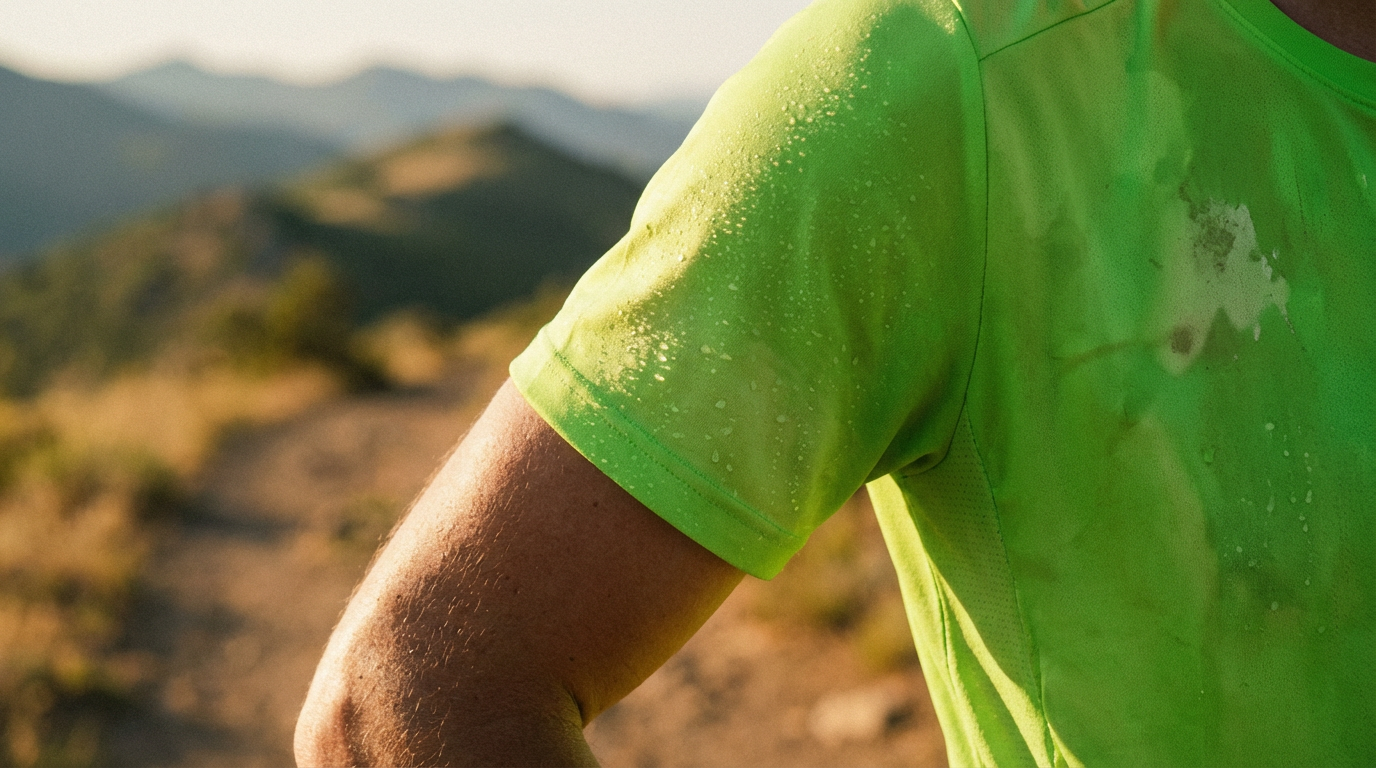
Table of Contents
- Moisture-Wicking Basics: What The Treatment Actually Does
- Why Color Vibrancy Matters In High-Performance Gear
- How Moisture Changes What You See: Wet vs Dry Color
- Surface Chemistry, Wetting, And Color Uniformity
- Long-Term Fading: Light, Heat, Moisture, And Dye Chemistry
- Synthetic Wicking Systems And Color Retention
- Moisture-Wicking Treatments On Cotton: Pros, Limits, And Color
- Do Moisture-Wicking Finishes Themselves Damage Color?
- Comparing Fabric Types For Moisture And Color Performance
- Practical Ways To Protect Color Vibrancy In Wicking Gear
- Short FAQ: Moisture-Wicking And Color
- References
When you suit up for a hard trail run, a Kawasaki track day, or a multi-day backpacking mission, you notice two things immediately: how the gear feels against your skin, and how it looks. Performance and color live side by side. Moisture-wicking treatment has become the default in high-performance sportswear, but many riders and outdoor athletes quietly wonder: does all that chemical wizardry mess with color vibrancy over time?
From lab data on moisture management and colorfastness to what you actually see on sweat-soaked jerseys and sun-beaten shells, there is a real interaction between wicking treatments, moisture, and color. The key is understanding what the treatments do to the fibers, how moisture changes perceived color, and how light, washing, and sweat tie it all together.
As someone who spends a lot of time in high-output gear—from tight, synthetic base layers under a racing jacket to wicking trail shirts on long climbs—I watch not just how dry a piece stays but how aggressive colors and graphics hold up after months of abuse. Let’s unpack what the science and the field both say.
Moisture-Wicking Basics: What The Treatment Actually Does
Moisture management is simply the process of moving sweat from your skin, through your clothing, and out into the air. Articles from Backpacking Light, REI, and performance brands all land on two core jobs for a moisture-wicking fabric: it must pull liquid sweat off your skin, and it must dry fast enough so the fabric never stays swampy and heavy.
At fiber level, this is mostly capillary action. Water molecules stick to each other (cohesion) and to fiber surfaces (adhesion), then travel through tiny channels between fibers. Synthetic performance fibers like polyester, nylon, and polypropylene are naturally hydrophobic, which means they don’t absorb much water into their cores. Research cited by Backpacking Light notes that polyester typically absorbs only a tiny fraction of its weight in moisture, while cotton and wool can take up far more water internally.
To turn hydrophobic fibers into efficient wicking engines, manufacturers tweak three things:
First, they change fiber or yarn shape and spacing, creating capillary “tubes” that draw liquid along the surface. JudyP Apparel describes engineered cross-sections and microchannels that behave like a paper towel, but with far less bulk and water retention.
Second, they use chemical surface treatments to tune hydrophobicity and hydrophilicity. Work described in Backpacking Light and American Chemical Society’s InChemistry explains that surface chemistry can be adjusted so a raw hydrophobic polyester becomes more hydrophilic on the outside, encouraging sweat to spread and move without soaking into the fiber core. This is the “moisture-wicking treatment” in the narrow sense: a finish that alters how water behaves on the surface.
Third, they engineer fabric construction. Brands like Nike, Adidas, and many specialty houses use specific knits, mesh zones, and dual-layer structures so an inner layer pushes moisture outward while an outer layer pulls and spreads it for evaporation.
The result is what you feel on the bike or trail: instead of sweat hanging on your skin or saturating the fabric, it is rapidly transported and evaporated.

That has obvious benefits for comfort and temperature control. The more interesting question is what it does to color.
Why Color Vibrancy Matters In High-Performance Gear
Color is not just fashion; it is function and psychology. Research and brand reports on sports uniforms point out that bright, consistent colors and crisp logos create a professional, cohesive look and can give athletes a confidence boost. Athletic Force notes that moisture-wicking synthetics in 7‑on‑7 uniforms keep team colors and logos vibrant over time while traditional cotton tends to fade and distort.
In the outdoor world, high-visibility colors can also be a safety tool when you are moving fast in mixed traffic or on low-visibility trails. For adventure riders and backcountry athletes, you want a jersey that pops in photos and still looks sharp after a season of sweat, sun, and repeated washes. If a wicking treatment kept you dry but turned your neon green into a tired gray after a dozen rides, that would be a nonstarter.

So the performance question becomes: do moisture-wicking fibers and treatments defend color vibrancy or sacrifice it for comfort?
How Moisture Changes What You See: Wet vs Dry Color
Before talking about fading over months, you need to understand what happens the moment a garment gets wet.
Studies summarized on ResearchGate and explained more accessibly by textile guides from VeriVide show that fabric almost always appears darker when wet. This is mostly optics, not dye leaking out. Dry fabric has fibers separated by tiny air gaps that scatter light back toward your eyes, making the color look lighter and more matte. When water fills those gaps, the refractive index of the fiber–water system changes. Light penetrates deeper, scatters less back to your eye, and more of it is absorbed. The eye reads that as a deeper, darker color.

Consumer-oriented explanations from Smart.DHgate echo the same physics: water fills the voids, reduces surface scatter, and lets more light be absorbed in the fabric structure, so wet patches look darker even though no dye has changed.
Several practical consequences matter for athletes.
Natural, more porous fibers that drink in water—especially cotton—show the biggest darkening effect, because they hold more liquid in those gaps. Synthetic performance fibers with very low moisture uptake may still darken when surface films of water are present, but they hold far less internal water, and they shed it much faster.
That means a heavy cotton tee in the gym may show big, dark sweat patches for a long time, while a moisture-wicking polyester top will darken briefly as sweat moves through, then return to its dry, intended shade quickly as water evaporates. Even before we talk about long-term fading, wicking treatment affects how “clean” or blotchy your color looks during a single session.
Surface Chemistry, Wetting, And Color Uniformity
The science of hydrophobic and hydrophilic surfaces ties moisture management directly to how sweat marks and color patches appear. In the Backpacking Light testing, contact angle—the shape of a water droplet sitting on a surface—was used as a quick indicator. On a hydrophobic fabric, water beads up into a round droplet; on a hydrophilic surface, the droplet flattens and spreads.
Why does that matter for color vibrancy in use? Because beading concentrates water into small, intensely darker spots, while spreading distributes a thin film over a larger area, making the darkening effect more subtle and uniform.
A pure water-repellent shell that simply beads water and refuses to absorb it is not a sweat-wicking garment; it traps perspiration beneath, leaving you clammy. On the other hand, a properly tuned moisture-wicking treatment makes the inner face of a fabric just hydrophilic enough that sweat can spread and move into the capillary network, then out to the surface.
The upside for appearance is clear. A well-balanced wicking finish tends to minimize sharp, dark sweat rings because moisture is spread and evaporated quickly instead of pooling locally. You still get the temporary darkening from wetness, but it is more evenly distributed and shorter-lived, so bold colors and graphics read more consistently while you are moving.

Long-Term Fading: Light, Heat, Moisture, And Dye Chemistry
Color vibrancy over seasons is a different fight. Here, light, temperature, humidity, and chemistry all matter.
Textile conservation guidance from the Canadian Conservation Institute stresses that light—especially ultraviolet—and time are the big enemies.

Damage is cumulative and irreversible. Even relatively low light levels, if repeated for long hours, slowly weaken fibers and fade dyes. Outdoor-focused testing discussed by ChiuVention emphasizes colorfastness to light as a critical performance indicator for tents, umbrellas, and outerwear, since they see intense sunlight, heat, and humidity.
A detailed overview from Unnatisilks explains color fastness as a fabric’s resistance to fading or bleeding when exposed to washing, perspiration, light, friction, and other stresses. Fastness is graded for different situations: light fastness, wash fastness, rub fastness, and sweat fastness, each on standardized scales developed by bodies such as ISO and the American Association of Textile Chemists and Colorists.
Several practical patterns emerge from these sources.
First, fiber and dye combination is critical. The same dye can have mediocre light fastness on cotton but much higher fastness on wool, because the chemistry of bonding and the microstructure of the fiber differ.
Second, washing conditions strongly influence color change. A study on naturally colored cotton fabrics that tracked color shifts through the first few home washes found that the biggest change often occurred in the very first wash, with the balance between shrinkage (which can concentrate color and make it seem richer) and slight pigment extraction. Hard water, high temperatures around 140°F, and harsh additives such as chlorine and optical brighteners pushed color change further, while mild detergents for sensitive skin and lower temperatures closer to 68°F tended to moderate it.
Third, repeated exposure to sweat (which is salty and can be acidic or slightly alkaline) and friction at high-stress zones such as shoulders and hips contributes to local fading and dulling, especially in garments that stay wet for long periods.
None of these mechanisms depends explicitly on moisture-wicking treatment. However, wicking finishes interact with them in two important ways: they change how much water sits inside the fiber and how often the garment is fully saturated, and they often ride on top of specific fiber choices and dye systems that are either more or less colorfast.
Synthetic Wicking Systems And Color Retention
Brands that build high-performance uniforms and activewear routinely choose synthetics such as polyester and nylon for moisture-wicking, durability, and color stability. Athletic Force highlights that wicking uniforms built from durable synthetics not only stay lighter and more comfortable than cotton, they also retain logos and team colors better over time. Ninghow and Wazoodle likewise emphasize that modern moisture-wicking performance fabrics are engineered to resist shrinking and color fading through many wash cycles.
The physics and chemistry support those claims.
Synthetic fibers have low moisture regain and moisture content capacity compared with natural fibers. Work summarized by Backpacking Light points out that polyester absorbs only a tiny fraction of its weight in water, whereas cotton and wool can hold much more inside the fiber core. Since synthetic wicking systems keep most moisture on or between fibers rather than inside them, there is less opportunity for dyes to be repeatedly swollen and leached from within the fiber with every sweat-soaked ride and wash.
Synthetic performance dyes and spin-dyeing methods also tend to have high wash and light fastness. When you look at a bright Kawasaki green jersey made from wicking polyester, the color you see is usually bound within or firmly to the synthetic fibers, not just loosely attached to the surface. That makes it more resistant to the combined assault of UV, abrasion, and sweat than many traditional cotton dye systems.
On top of that, moisture-wicking synthetics dry quickly. If a cotton tee stays wet for hours after a wash or workout, its dyes sit in a prolonged wet state where chemical reactions and microbial growth can slowly attack them. A wicking polyester top that is dry within a short period simply spends less time in that vulnerable condition.

Moisture-Wicking Treatments On Cotton: Pros, Limits, And Color
What about moisture-wicking treatments on cotton, the fabric many people still love for everyday comfort?
Multiple sources, including REI and Dotted Line Manufacturing, describe cotton as “anti–moisture-wicking.” It absorbs sweat readily, becomes heavy and saturated, and dries slowly, leaving you hot and sticky and then cold and clammy. Even when treated, cotton generally cannot match synthetics or wool for moisture management under sustained high-output use.
Cotton-focused innovation has tried to close the gap with moisture-management technologies that engineer fabric structures and finishes to create directional wicking zones. Technical briefs from Cotton Incorporated describe approaches where specific yarns, structures, and surface treatments create “wicking windows” that move moisture from the skin side outward, attempting to keep the comfort of cotton while improving dryness.
From a color perspective, these cotton systems have two main trade-offs.
On the positive side, anything that reduces how long cotton stays fully saturated should, in principle, reduce opportunities for dye to migrate or break down in repeated wet–dry cycles. If a treated cotton base layer dries faster and spends less time “soaked through,” that moderates some fading drivers.
On the caution side, cotton still holds more water internally than synthetics. The naturally colored cotton study mentioned earlier shows that cotton shades can either deepen slightly or fade with early washes, depending on the balance of fiber relaxation, wax removal, and small pigment losses. High temperatures and harsh detergents accelerate color shifts. For wicking-treated cotton, this means you get some comfort and drying gains, but you must treat wash conditions carefully if you want to protect color.
Do Moisture-Wicking Finishes Themselves Damage Color?
A fair concern is whether the very chemicals used to create moisture-wicking surfaces could attack dyes or accelerate fading.
Published discussions from Backpacking Light and JudyP Apparel note that chemical treatments can significantly modify surface hydrophobicity or hydrophilicity. A nearly hydrophobic raw polyester can be made strongly hydrophilic at its surface with the right finish. At the same time, brands emphasize that modern wicking finishes are designed to be durable and safe over many wash cycles.
Color-focused articles from Unnatisilks and testing standards bodies focus much more on dye chemistry, fiber type, and external stressors than on moisture-wicking finishes as a fading factor. In practice, the main color risks connected to wicking treatments tend to be indirect:
First, if a finish makes the surface more hydrophilic, it can change how quickly sweat and wash water wet and re-wet the surface. Aggressive alkaline detergents, high temperatures, or chlorine-based products are then in closer and more frequent contact with dyes. The naturally colored cotton study found that chlorine and optical brighteners significantly increased color change, regardless of wicking performance.
Second, finishes can break down over time. When wicking treatments wear off unevenly due to heavy use, you can end up with zones that behave differently under moisture, which may show subtle differences in apparent color when wet. This is more of a uniformity issue during wear than a true fade in dry color.
Third, residues on top of the finish can dull both wicking and vibrancy. Multiple sources, including REI and JudyP, warn that fabric softeners leave waxy films that interfere with moisture movement. Those same films can scatter light and leave colors looking slightly “gray” or hazy even if the underlying dye is intact.
Overall, current evidence and performance experience suggest that well-designed moisture-wicking treatments on synthetics are more likely to protect the appearance of color in real-world use than to destroy it, provided you pair them with sane care routines.

Comparing Fabric Types For Moisture And Color Performance
A simple way to see the trade-offs is to line up common fabric systems by how they handle moisture and how that tends to intersect with color over time.
|
Fabric system |
Moisture behavior in use |
Typical color behavior over time (given reasonable care) |
Adventure use notes |
|---|---|---|---|
|
Untreated cotton jersey |
Absorbs sweat heavily, stays wet and heavy, slow to dry |
Prone to visible dark sweat patches, faster fading with repeated hot washes and strong detergents |
Fine for casual wear and low-sweat days; poor for high-output riding, running, or backpacking |
|
Moisture-wicking polyester / nylon |
Pulls sweat off skin, spreads and evaporates quickly, very low internal water uptake |
Maintains logos and bright colors well; resistant to shrinking and many wash cycles |
Go-to for most high-intensity sports and riding jerseys where color and performance must both last |
|
Moisture-wicking-treated cotton blends |
Better moisture movement than plain cotton, moderate drying, still more absorbent |
Color can shift during early washes; sensitive to high temperatures, chlorine, hard water |
Works for crossover lifestyle pieces; not as bulletproof in extreme conditions as full synthetics |
|
Merino or wool performance knits |
Absorbs some moisture inside fibers but can feel dry on surface; manages vapor well |
Good odor control and comfortable aging; colorfastness depends strongly on dye system |
Excellent for cooler conditions and multi-day wear; less abrasion-resistant than tough synthetics |
|
Spandex-heavy synthetic blends |
Wicking driven by polyester or nylon; spandex adds stretch and close-to-skin contact |
Good color retention when based on quality synthetics and finishes; vulnerable to high heat damage |
Ideal for compression layers and close-fitting gear that must track body movement without restriction |
This table mirrors what many athletes experience: moisture-wicking synthetics sit at the sweet spot where you get aggressive moisture management and strong color retention, while cotton-based fabrics trade some vibrancy stability for comfort and familiarity unless they are engineered and cared for carefully.

Practical Ways To Protect Color Vibrancy In Wicking Gear
From the lab to the trailhead, a few habits make a big difference if you want your high-vis jerseys and bold technical layers to stay sharp.
First, respect wash temperature and chemistry. Evidence from naturally colored cotton research and colorfastness literature shows that high temperatures around 140°F, hard water, and chlorine accelerate color change. For both synthetic and cotton-based wicking gear, cooler washes closer to typical room temperatures and mild detergents labeled for delicate or sport use help preserve both finishes and dyes.
Second, skip fabric softeners and heavy waxy treatments. As REI and JudyP point out, softeners coat fibers with residues that interfere with wicking. Those same coatings can dull color by changing how light interacts with the surface. If your wicking top starts to feel less breathable and looks slightly gray even when clean, buildup is a prime suspect.
Third, manage light exposure off the trail. The Canadian Conservation Institute emphasizes that fading damage from light is cumulative. Storing bright gear in a vehicle window, on a balcony, or constantly hung in direct sun when not in use slowly chews away at vibrancy, no matter how good the dye system is.
Fourth, be realistic about cotton. Treated cotton tees and hoodies with moisture-wicking claims will feel better in warm conditions than old-school heavy cotton, but they are still more vulnerable to wash-related color change than wicking synthetics. Keep wash temperatures modest, avoid chlorine-based products, and expect some shift in shade after the first several cycles.
Fifth, pay attention to the base fabric, not just the “wicking” label. Articles from REI and RVCA’s training guides remind us there is no universal standard for moisture-wicking performance. The smartest play is to look for high percentages of hydrophobic performance fibers like polyester or nylon in pieces that must hold their color under intense sweat and sunlight.
Short FAQ: Moisture-Wicking And Color
Does moisture-wicking treatment always improve color retention? Not automatically, but in modern performance gear it usually helps in practice. Durable wicking finishes on polyester or nylon ride on top of fibers and dyes that already have strong wash and light fastness and keep garments from staying soaked, which reduces several pathways for fading. The treatment itself is not a magic shield, but the overall system is color-friendly.
Why do my wicking shirts still look darker when I sweat if they are high-performance? Wet fabric almost always appears darker because of how water changes light scattering inside the textile. Moisture-wicking treatment changes how quickly that darkening appears and disappears and how evenly sweat is distributed, but it cannot change the basic physics of wet vs dry color. The win is that the darkening is less patchy and much more short-lived.
Can I treat colorfastness and moisture-wicking as independent when I shop? They are related but not the same. Colorfastness depends on dye, fiber, and exposure to light, sweat, and washing, while moisture-wicking depends on fiber type, structure, and surface chemistry. In high-quality performance gear, these are engineered together. For riders and outdoor athletes, the safest bet is wicking synthetics with proven sportswear or uniform pedigrees, where brands explicitly talk about both performance and color retention.
High-performance sports gear should feel as aggressive as it looks, and it should stay that way. Choose moisture-wicking systems built on durable synthetics, treat your gear with the same respect you give your bike or board, and your colors will keep popping long after the rookie kits have faded into the background.

References
- https://pmc.ncbi.nlm.nih.gov/articles/PMC11642346/
- https://wtamu.edu/~cbaird/sq/2013/11/06/why-does-water-make-a-shirt-darker/
- https://inchemistry.acs.org/atomic-news/dont-sweat-it.html
- https://www.researchgate.net/publication/244636742_The_Colour_of_Textiles_when_Wet_The_Relationship_between_Wet_and_Dry_Reflectance_Values_for_Common_Textile_Materials
- https://backpackinglight.com/how-do-moisture-wicking-fabrics-work-testing/
- https://chiuventionclimatechamber.com/blog/colorfastness-to-light-test-textile-color-fading
- https://smart.dhgate.com/moisture-wicking-vs-cotton-tees-why-are-sweaty-gym-goers-obsessed/
- https://www.fittdesign.com/blog/the-impact-of-fabric-selection-on-sportswear-performance
- https://www.verivide.com/why-does-fabric-darken-when-wet/
- https://wazoodle.com/collections/stay-dry-fabrics
RELATED ARTICLES

Ready to start your sportswear brand?
Get a free quote for custom sportswear manufacturing with no minimum order quantity.