
From Heritage to High Gear: Integrating Traditional Culture into Modern Sportswear Design

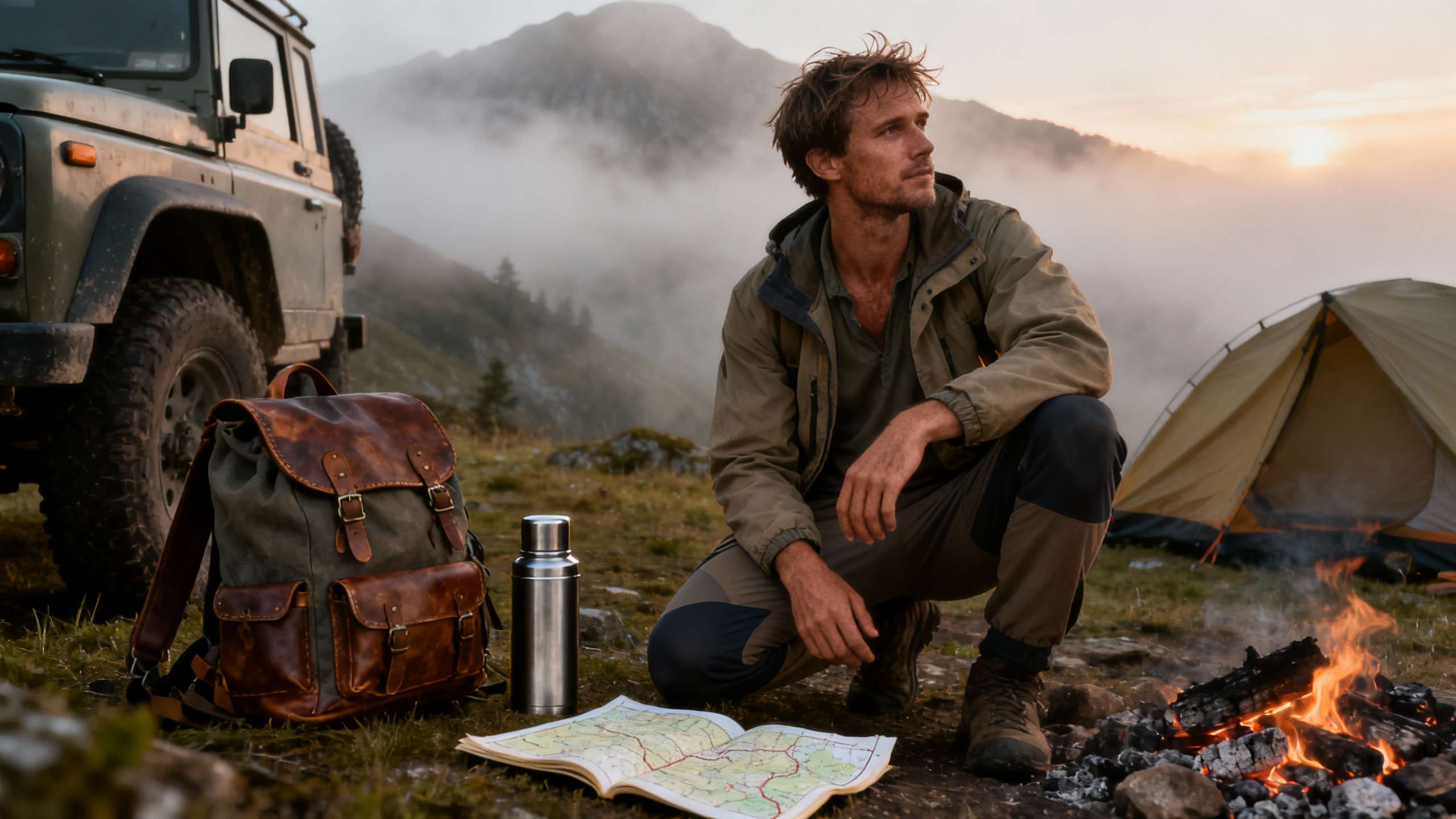
Table of Contents
- Movement Has a Memory: Why Culture Belongs in Sportswear
- What We Mean by Traditional Cultural Elements
- Patterns and Motifs as Moving Stories
- Color That Does More than Pop
- Materials and Craft
- Dress Codes, Modesty, and Movement
- Heritage in Action: Case Studies from the Field
- Olympic Uniforms as Moving Flags
- Modest Sportswear and Faith-Led Design
- Hybrid Ethnic-Sportswear and Urban Athleisure
- Design Playbook: Building Cultural Performance Gear That Actually Works
- Start with Real Cultural Research
- Translate Symbols into Movement-Friendly Design
- Engineer for Performance from the Inside Out
- Fit Everyone the Culture Represents
- Pros and Cons: What Cultural Integration Really Delivers
- A Practical Roadmap for Design Teams
- Closing: Heritage at Full Throttle
- References
The first time I tested a prototype adventure jacket that blended race-ready armor with heritage-inspired graphics, I rode a few hundred miles of mixed highway and mountain switchbacks in one day. At 70 mph, the wind found every seam, every vent, every weak point in the fabric. But what stuck with me was not just that the jacket kept me dry and comfortable; it was that riders at gas stops kept asking about the story behind the pattern. Performance got me through the ride. Culture started the conversations.
That is the sweet spot for modern sportswear and adventure gear. Whether you are sprinting a 10K, carving up canyon roads on a sport bike, or hiking a ridge line before sunrise, today’s athletes and explorers expect apparel that hits three marks at once: technical performance, everyday versatility, and a visible connection to identity and heritage.
Drawing on research from sports-fashion historians, cultural scholars, and performance-textile experts, this article breaks down how to integrate traditional cultural elements into high-performance sportswear without sacrificing function or respect. Think of it as a design playbook for anyone shaping the next generation of trail-ready, street-smart, culturally grounded gear.
Movement Has a Memory: Why Culture Belongs in Sportswear
Modern sportswear did not start out as a vehicle for cultural storytelling. Early activewear was simple cotton or wool meant purely to cover the body and allow basic movement. As textile science gave us synthetics like polyester and nylon, activewear gradually evolved into performance equipment with moisture-wicking, stretch, and durability engineered in.
Over the last few decades, that performance gear jumped the fence from the gym and stadium into everyday life. Research on the evolution of activewear describes how fitness becoming mainstream turned leggings, jerseys, and track jackets into standard streetwear. Athleisure, now a familiar term, is essentially performance apparel that looks good enough to wear from the trail or gym straight to brunch, errands, or a casual office.
In parallel, the cultural meaning of sportswear exploded. Analyses of women’s sportswear, like the Modern Sportswear Lexicon, show how women built lives of constant, multidimensional movement across work, caregiving, and personal passions, and demanded apparel that kept up. Tracksuits, leggings, and sports bras became tools of daily life and symbols of autonomy and self-expression, not just gym gear. Athletes, celebrities, and influencers accelerated this shift, turning performance apparel into a language of identity.
On the global stage, Olympic uniform research frames sports kits as powerful cultural statements. Uniforms do more than enhance performance; they visually carry national pride, colors, motifs, and histories in front of millions of viewers. Nations increasingly use traditional techniques and heritage-driven aesthetics in uniforms, merging them with advanced performance fabrics.
All of this means that when you design a running tight, a riding jacket, or a climbing shell today, you are not only engineering for sweat, abrasion, and impact. You are also working with cultural codes. The question is not whether culture belongs in sportswear, but how to integrate it in a way that is authentic, technically sound, and deeply respectful.

What We Mean by Traditional Cultural Elements
Fashion scholars at institutions like JD Institute of Fashion Technology describe clothing as a form of cultural storytelling. Traditional garments encode history, values, and social roles through color, pattern, silhouette, and craft techniques. When we talk about “traditional cultural elements” in sportswear, we are talking about translating those codes into performance contexts.
Intellectual property experts at the World Intellectual Property Organization define traditional cultural expressions as designs, motifs, and symbols rooted in specific communities and often governed by customary rules. These can include everything from an Indigenous weaving pattern to ceremonial embroidery.
Broadly, the elements designers work with fall into a few practical categories.
|
Type of element |
Typical cultural source |
Example of cultural message |
Sportswear adaptation idea |
|---|---|---|---|
|
Motifs and patterns |
Tribal tattoos, Ankara or Kente prints, Haitian artwork, Mongolian symbols |
Stories of origin, resistance, spirituality, national history |
Engineered prints on jerseys, laser-cut perforation patterns, knit-in jacquards |
|
Color systems |
Flag colors, ceremonial palettes, sacred hues |
Pride, luck, mourning, purity, protest |
High-visibility panels, color-blocked leggings, accent trims and zippers |
|
Textiles and textures |
Banana fiber weaving, kimono silk, handwoven tartan, chambray |
Craft heritage, region-specific materials, social status |
Technical jacquards that mimic texture, blended yarns, overlay panels |
|
Silhouettes and construction |
Kimono sleeves, sari drape, abaya-like modest fits, folk tunics |
Gender roles, modesty norms, rites of passage |
Wrap-inspired jackets, longer hemlines, adjustable coverage on outerwear |
|
Dress codes and coverage |
Modest sportswear, ceremonial head coverings, festival attire |
Faith, dignity, community belonging |
Hijab-compatible hoods, longline tops, skirted leggings and looser cuts |
Each row in that table represents a rich set of design decisions. The challenge in sportswear is that you must honor the meaning while still delivering breathability, range of motion, and durability.
Patterns and Motifs as Moving Stories
Culturally inspired uniform research offers vivid examples. Some national teams use wheat motifs to evoke agricultural heritage, floral symbols to honor local blossoms, bold illustrative sketches to celebrate folk art, or abstract icons like the Mongolian Soyombo to signal philosophical ideals. Haiti’s 2024 Olympic uniforms, for instance, translated Philippe Dodard’s artwork “Passage” into garments so athletes literally carried a contemporary visual narrative of resilience and hope onto the track.
Academic work on hybrid fashion, blending ethnic wear and sportswear, frames motifs as active tools for negotiating tradition and modernity. When you integrate them into jerseys, leggings, or jackets, you are not adding decoration. You are asking athletes to wear a story every time they move.
Color That Does More than Pop
Color in sportswear is not just about aesthetics; it affects psychology and performance. Research cited in team-uniform design notes a 2005 study of the 2004 Olympics, where athletes wearing red won about 55 percent of bouts, rising to roughly 62 percent in closely matched contests. Color choice may influence how confident athletes feel and how intimidating they appear to opponents.
Cultural readings of color are just as powerful. White communicates purity in many Western contexts but can represent mourning in some Asian and Slavic cultures. Red is widely associated with luck and celebration in parts of East Asia, but has been used as a mourning color elsewhere. When you pick a palette for a cultural capsule collection or national kit, you are tapping into meanings that go far beyond brand guidelines.
For adventure gear, color has a safety dimension too. High-visibility accents grounded in cultural palettes can help a trail runner or dual-sport rider stay visible at dusk, blending heritage cues with practical safety.
Materials and Craft
Traditional textiles carry deep cultural weight. The JD Institute’s work highlights how Japanese kimonos, Indian saris, African Ankara and Kente cloth, and Scottish tartans serve as moving archives of community memory. Middle Eastern modest fashion, with its fluid, loose silhouettes, has grown into a global trend showing that faith and style can coexist.
At the same time, performance-textile research tracks the shift from heavy leather and canvas to synthetics, advanced knits, and even 3D-printed components. Modern sportswear fabrics are engineered for moisture management, stretch, thermal comfort, and durability. Moisture-wicking materials pull sweat off the skin and spread it across the surface so it can evaporate quickly, supporting comfort as sweat production jumps from resting levels up to heavy exertion.
The opportunity is to recreate the visual and tactile language of traditional cloth using fabrics that can survive an all-day ride, a grueling climb, or a humid summer run. That might mean using jacquard knitting to echo a handwoven pattern, or blending a natural heritage fiber like banana with nylon and spandex to hit the right balance of breathability and strength.
Dress Codes, Modesty, and Movement
Modest sportswear is a clear example of tradition reshaping design. A detailed industry analysis of modest athletic wear notes that demand is driven strongly by cultural and religious values, especially among Muslim, Jewish, and Christian women who want to meet dress codes around coverage while staying active.
Here, traditional norms translate into design requirements: longer hemlines, higher necklines, looser fits, full-length pants, skirted leggings, and hijab-compatible tops. The challenge is to deliver this coverage using lightweight, breathable, moisture-wicking fabrics so the athlete is not weighed down or overheated.
The modest sportswear market also highlights a recurring theme: inclusive sizing. Many women in that segment report difficulty finding garments that align with both their bodies and their beliefs. Brands are beginning to respond with extended sizes and adjustable silhouettes, but the work is far from finished.

Heritage in Action: Case Studies from the Field
The best way to understand how traditional culture can live inside performance gear is to look at where it is already happening.
Olympic Uniforms as Moving Flags
Olympic uniform analyses describe the Games as a global stage where nations present both athletic skill and culture. Uniforms function almost as wearable flags, embodying national values and heritage in front of huge audiences.
One example comes from Mongolia, where recent Olympic uniforms draw directly on centuries-old garments reimagined with modern cuts and performance fabrics. Intricate embroidery and historic symbols connect athletes to nomadic traditions while aerodynamic tailoring and technical fibers support movement and moisture management.
Taiwan’s uniforms showcase another path. Designers incorporated banana fiber weaving, a craft unique to the island, alongside chest pins shaped like the national flower. This pairing of local textile heritage and subtle symbolic hardware turns each kit into a micro museum of place, while modern materials ensure the outfits can handle heat, sweat, and repeated laundering.
Haiti’s uniforms tell a story of renewal and sustainability. Woven chambray shirts recall traditional blue-cotton spinning techniques, yet they are crafted from recycled materials. Combined with the translation of contemporary Haitian artwork into fabric, the result is apparel that honors artisans, underlines environmental responsibility, and supports elite athletic performance.
China’s medal-ceremony outfit for the Paris Olympics, developed by sportswear brand Anta with consulting from film director Zhang Yimou, pushes the integration of culture and sustainability further. The design uses recycled fibers and other low-impact materials, cutting production-related carbon emissions by more than half compared with conventional approaches. Achieving carbon-neutral certification, the outfit incorporates dragon motifs, embossing, patchwork, and embroidery that express national aesthetics while aligning with an increasingly urgent demand for climate-conscious gear.
Behind the scenes, Anta’s long-term collaboration with a leading university research center on sports fashion underscores that this kind of cultural integration is not a one-off marketing stunt. It is the result of ongoing R&D on textiles, fit, and innovation, grounded in both heritage and science.
Taken together, these Olympic examples show that when culture is treated not as a surface print but as a design driver, uniforms can become high-performance, low-impact, deeply meaningful gear.
Modest Sportswear and Faith-Led Design
A detailed article on modest sportswear in women’s fitness frames this category as a fast-growing segment of athletic apparel. It balances coverage with performance and style, appealing not only to religious consumers but also to women who simply prefer more coverage and comfort.
In Islamic contexts, for instance, runners and swimmers need sports hijabs and full-coverage outfits made from breathable, moisture-wicking fabrics rather than heavy, waterlogged layers. Jewish and Christian women seeking modest workout options may look for long-sleeved tops and leggings with attached skirts that stay in place through a full range of motion.
Design elements that appear repeatedly in successful modest lines include slightly looser cuts that still contour enough to avoid flapping, longer hemlines that stay put during activity, thumbholes to keep sleeves in place, adjustable drawstrings for personalized fit, and strategically placed hidden pockets. Underneath the silhouettes, technical fabrics handle sweat, heat, and stretch, ensuring that modesty does not come at the expense of performance.
The article also highlights challenges, particularly around sizing and representation. Many women struggle to find modest gear that truly fits their proportions. Some brands are addressing this gap with extended size ranges and more adaptive patterning, but the need is large.
Social media influencers such as Halima Aden have been pivotal in normalizing modest athletic wear as both functional and fashionable. Major sportswear companies and specialist labels, including Nike, Under Armour, LYRA, ASRA Active, Shorso, and QYNDA, now market modest lines. What began as a niche rooted in religious practice is shaping mainstream expectations about inclusivity and cultural respect in sportswear.
Hybrid Ethnic-Sportswear and Urban Athleisure
Scholarly work on hybrid fashion explores garments that fuse elements of ethnic or traditional dress with sportswear silhouettes and technical materials. Instead of reserving heritage garments for festivals or ceremonies, this hybrid approach puts cultural identity into everyday motion, from pickup games to city commutes.
Global fashion research offers examples of kimono silhouettes inspiring modern streetwear jackets, sari drapes reinterpreted as wrap skirts or layered tops, and African Ankara and Kente prints used in contemporary outerwear and leggings. These moves are not just aesthetic; they reflect a desire to challenge Eurocentric fashion norms and foreground cultural pride.
In China’s sportswear market, analysis of domestic brands such as Anta, Li-Ning, and 361° shows how cultural narratives drive differentiation. Collections branded as “China Chic” integrate traditional symbols, patterns, colors, and embroidery into sneakers, windbreakers, and tracksuits. Li-Ning’s collaborations with traditional artists use storytelling and art to position the brand as a lifestyle choice rooted in heritage, not just a performance label.
Retro and vintage sports fashion adds another layer of cultural memory. Commentary on vintage sports outfits highlights the resurgence of throwback logos, stripes, and classic color blocking in jerseys, jackets, and sneakers. Fans reach for retro designs not only because they look good, but because they tap into nostalgia for earlier eras of sports history and community identity.
When you blend ethnic references, national heritage, and retro sports cues into performance gear, you are working in a crowded but powerful space. The designs that stand out are those that feel authentic to a specific culture or community and still function flawlessly under real-world strain.
Design Playbook: Building Cultural Performance Gear That Actually Works
Turning all this into a concrete process requires balancing cultural insight with engineering discipline.
Start with Real Cultural Research
Design institutes that focus on heritage emphasize one recurring practice: research first, sketch later. Students are encouraged to explore their own backgrounds or specific global cultures, understanding the stories, rituals, and craft methods before they try to reinterpret them.
Studies on culturally inspired team uniforms and guidance from collegiate sports organizations go further. They recommend early and ongoing collaboration with cultural experts, community leaders, and historians. The idea is simple but rarely followed: involve people who hold the culture in question before you design, not after the samples are already sewn.
International intellectual property work on traditional cultural expressions echoes this advice. Analysts argue that designers should understand and respect the community, seek permission and input when using its motifs, acknowledge and credit the source, and, where appropriate, share economic benefits through licensing or collaboration. Case studies of mainstream brands that misused sacred tattoo patterns or copied Indigenous parkas into luxury sweaters underline how painful and public the backlash can be when this step is skipped.
For a sportswear brand or adventure-gear team, this might mean setting up advisory panels with community members, commissioning art directly from Indigenous or local creators, or co-developing collections with artisans rather than simply mining their work for inspiration.
Translate Symbols into Movement-Friendly Design
Once you understand the cultural material, the next step is translation, not duplication. Academic studies of hybrid ethnic-sportswear emphasize that the goal is to reinterpret traditional dress codes through modern forms, not to paste ceremonial garments onto gym shorts.
In practice, this might mean taking a complex woven pattern and simplifying it into a graphic motif that can be printed or knit without adding weight or stiffness. A ceremonial robe silhouette might become a wrap-inspired jacket with articulated sleeves and hidden gussets for full reach on a bike or bouldering wall. The geometric rhythm of a dragon scale or tribal tattoo could inform laser-cut panels that double as ventilation.
When I work on adventure outerwear, for example, I think about where the body moves and where it does not. The shoulders, elbows, and knees need maximum articulation and minimal bulk. Those are poor places for dense embroidery or heavy appliqué. In contrast, a back yoke, chest panel, or lower leg can handle more visual detail without restricting motion. Mapping cultural motifs onto these lower-strain zones is a simple but powerful way to keep a jacket or pair of pants both expressive and ride-ready.
Here are some common adaptations that align with research on Olympic uniforms and traditional textiles.
|
Traditional technique or element |
Performance-oriented adaptation |
Primary testing focus |
|---|---|---|
|
Dense embroidery from ceremonial garments or artworks |
Digital or sublimation printing that mimics the look, or lightweight bonded appliqués |
Breathability, snag resistance, abrasion from pack straps or armor |
|
Heavy handwoven cloth used in heritage coats or robes |
Technical jacquard or double-knit that echoes the texture at lower weight |
Range of motion, drying time, seam strength under stress |
|
Wrap or draped silhouettes such as saris and kimonos |
Secure wrap-front jackets, adjustable hems, and hidden fasteners for riding or running |
Safety around bike parts, tripping hazards, integrity of closures |
|
Natural-fiber crafts like banana fiber weaving |
Blended yarns combining the heritage fiber with polyester or nylon and spandex |
Moisture management, durability, comfort against skin |
|
Modest, loose-fitting traditional attire |
Strategic shaping with gussets, elastic, and drawcords to keep fabric away from moving parts |
Coverage retention under motion, airflow, chafe points |
The key is to treat culture as an engine of form and narrative, then run every decision through the filter of biomechanics and stress maps.
Engineer for Performance from the Inside Out
Textile research shows that modern sportswear depends on engineered fabrics designed for specific functions, from moisture management and stretch to thermal regulation. Knitted blends of polyester, nylon, and spandex dominate activewear because they offer a mix of quick drying, durability, and mobility. Breathable constructions help regulate body temperature as sweat rates climb sharply with intensity.
Performance testing of sports uniforms reveals something else designers sometimes miss: small finishing changes can have large effects on comfort. In one study cited in team-uniform research, certain finishing techniques reduced air permeability by more than 60 percent while increasing thermal resistance by nearly 70 percent. In reality, that means the garment traps more heat and breathes less, which might be good for cold-weather gear but dangerous in hot conditions.
Now layer cultural elements on top of that. Heavy embroidery, extra fabric layers, or complex overlays can unintentionally block vents, add hotspots, or change how the garment drapes when wet. That is why a robust testing process, including initial construction checks, fit sessions, and field performance testing, is nonnegotiable.
Leading sportswear collaborations show how to do this without sacrificing innovation. Technical partnerships have produced down jackets that use 3D knits and advanced nylon yarns for stretch and weather protection, high-fashion yoga capsules that combine sculptural silhouettes with functional leggings, and recycled-fiber collections designed from the outset to be taken back and remade at end of life. These projects demonstrate that you can push the edge of textile technology and aesthetics simultaneously if you treat both as performance requirements.
For a Kawasaki-style adventure jacket inspired by a specific culture, this might mean specifying an abrasion-resistant shell fabric first, then working with mills to knit or print cultural patterns into that shell rather than layering decorative textiles over it. You can then run both lab abrasion tests and long-distance ride tests to confirm that the motif has zero negative impact on airflow, impact-sliding behavior, and water resistance.
Fit Everyone the Culture Represents
Research on women’s sportswear history makes it painfully clear that for decades, women had to adapt to gear designed for men. Only later did brands begin to treat women’s bodies, movement patterns, and style preferences as a design center rather than an afterthought.
Modest sportswear studies point to similar issues for communities with specific coverage requirements. Traditional sizing schemes often ignore variations in bust-to-hip ratios, height, and muscle distribution across different populations. The result is gear that claims to be inclusive culturally but is exclusionary physically.
Team-uniform design guidance suggests involving athletes directly via surveys and design reviews. One study cited in that work notes that only about a quarter of team members strongly feel their opinions are valued at work; inviting feedback on fit, symbols, and practicality can therefore be both a performance and culture win.
In a cultural capsule collection, inclusive fit might mean offering multiple lengths, broader size ranges, adjustable waists and cuffs, and headgear that works with natural hairstyles and traditional coverings. For adventure riders, it might mean pattern blocks that account for a forward-leaning posture, broader shoulders from years of training, or the need to layer armor underneath.
Culture without comfort is costume. If the people a collection represents cannot move confidently in it, the design has failed.

Pros and Cons: What Cultural Integration Really Delivers
Integrating traditional culture into sportswear is not inherently good or bad. It is a design strategy with clear upside and real risk, especially at the scale of global brands and professional sport.
|
Area |
Benefits when done well |
Risks when mishandled |
|---|---|---|
|
Brand and identity |
Deepens emotional connection, signals respect, differentiates gear in a crowded market |
Accusations of cultural appropriation, reputation damage, community backlash |
|
Athlete experience |
Boosts pride, belonging, and motivation; uniforms feel like personal armor |
Discomfort if athletes feel misrepresented or stereotyped; loss of trust |
|
Performance and safety |
Color systems can aid visibility; motifs can align with ergonomic paneling |
Added weight, heat, or restriction if decorations ignore movement and ventilation |
|
Business and innovation |
Opens new markets, encourages collaboration with artisans and researchers |
Higher development costs without clear strategy; risk of tokenism and short-lived capsules |
|
Sustainability |
Supports longer product lifespans through emotional attachment; encourages craft preservation and recycled materials |
Heritage stories used as “greenwashing” without real environmental impact |
Case studies documented by WIPO show that misuse of traditional cultural expressions can erode community identity and reinforce colonial patterns of dispossession. Brands that launched products using sacred tattoo patterns or misattributed Indigenous designs faced protests, product withdrawals, and public apologies, often without meaningful compensation to the communities affected.
On the positive side, collaborations like Dior’s work with African wax-print producers and Canada Goose’s Project Atigi, which features parkas designed by Inuit seamstresses with proceeds supporting Inuit organizations, show how consent-based, benefit-sharing partnerships can strengthen both culture and brand.
The takeaway for performance and adventure brands is straightforward. Cultural integration is a strategic asset only when it is coupled with respect, collaboration, and technical excellence.
A Practical Roadmap for Design Teams
In my experience, the most effective culturally grounded performance collections move through three broad phases: insight, translation, and validation.
In the insight phase, teams gather cultural, athletic, and market understanding. Designers dive into the heritage they hope to honor, talk with community members, document motifs and stories, and clarify which activities the gear must support, from trail running to track days. Researchers look at climate, body types, and use cases. This is the stage where you read the kind of articles referenced in this piece, listen more than you speak, and define success in both cultural and performance terms.
During the translation phase, the studio turns insight into prototypes. Motifs are redrawn to work within seam lines and stretch zones, colors are mapped to visibility and brand palettes, and silhouettes adapt traditional codes into motion-ready patterns. Tech packs capture both the cultural logic and the performance specs, so mills and factories understand that embroidery placement, fabric weight, and panel shape are not arbitrary. It is also the time to build storytelling into the design, so that hangtags, product descriptions, and campaign imagery reflect the depth of the cultural work.
The validation phase happens in the lab, on the field, and within the community. Samples go through fit sessions with athletes who represent the culture in question, weather and stress testing where the gear will actually be used, and cultural reviews with advisors. Feedback loops are real, not symbolic: if a motif feels wrong to elders or a vent is blocked by a graphic, the team revises. Only after this iteration does the gear move to production and launch.
Seen this way, integrating traditional cultural elements into sportswear design is not a decorative add-on. It is a different way of defining performance that includes pride, identity, and ethics in the same breath as sweat rate, impact abrasion, and wind chill.

Closing: Heritage at Full Throttle
When I pull on a jacket for a long ride or lace up trail shoes for a dawn run, I want gear that will hold up to crosswinds, mud, and miles. But the pieces I reach for again and again are the ones that also carry a story, a pattern my grandparents would recognize, or a symbol that connects me to a place and a people.
Integrating traditional culture into modern sportswear is not about slowing down performance; it is about giving high-performance gear a deeper reason to exist. Get the research, engineering, and respect right, and you do more than outfit the next ride or race—you carry a living heritage into every mile.

References
- https://www.researchgate.net/publication/397175000_Exploring_the_Intersection_of_Ethnic_Wear_and_Sportswear_in_Hybrid_Fashion_A_Contemporary_Study_of_Cultural
- https://www.atlplusmagazine.com/blog-posts/how-the-world-of-sports-has-influenced-fashion
- https://www.bl8k.com/community/the-cultural-significance-of-olympic-uniforms
- https://www.brainzmagazine.com/post/the-evolution-of-gcc-fashion-in-the-olympics-and-the-global-impact-of-olympic-fashion
- https://www.jdinstitute.edu.in/cultural-influences-on-fashion-design-exploring-global-styles/
- https://kineticactivewear.com/the-evolution-of-activewear-from-gym-to-street-style/
- https://www.linkedin.com/pulse/performance-purpose-driven-fashion-from-heritage-innovation-guner-jjcze
- https://www.mlybikini.com/blog/popular-sportswear-brands-in-china-and-cultural-influences
- https://www.moseley-road.com/blogs/exploring-cultural-influences-on-fashion-trends-and-clothing-production-worldwide
- https://www.ottgolfwear.com/post/the-evolution-of-urban-chic-sportswear
RELATED ARTICLES



Ready to start your sportswear brand?
Get a free quote for custom sportswear manufacturing with no minimum order quantity.