
Innovative Fabric Technology for Custom Jersey Durability Testing

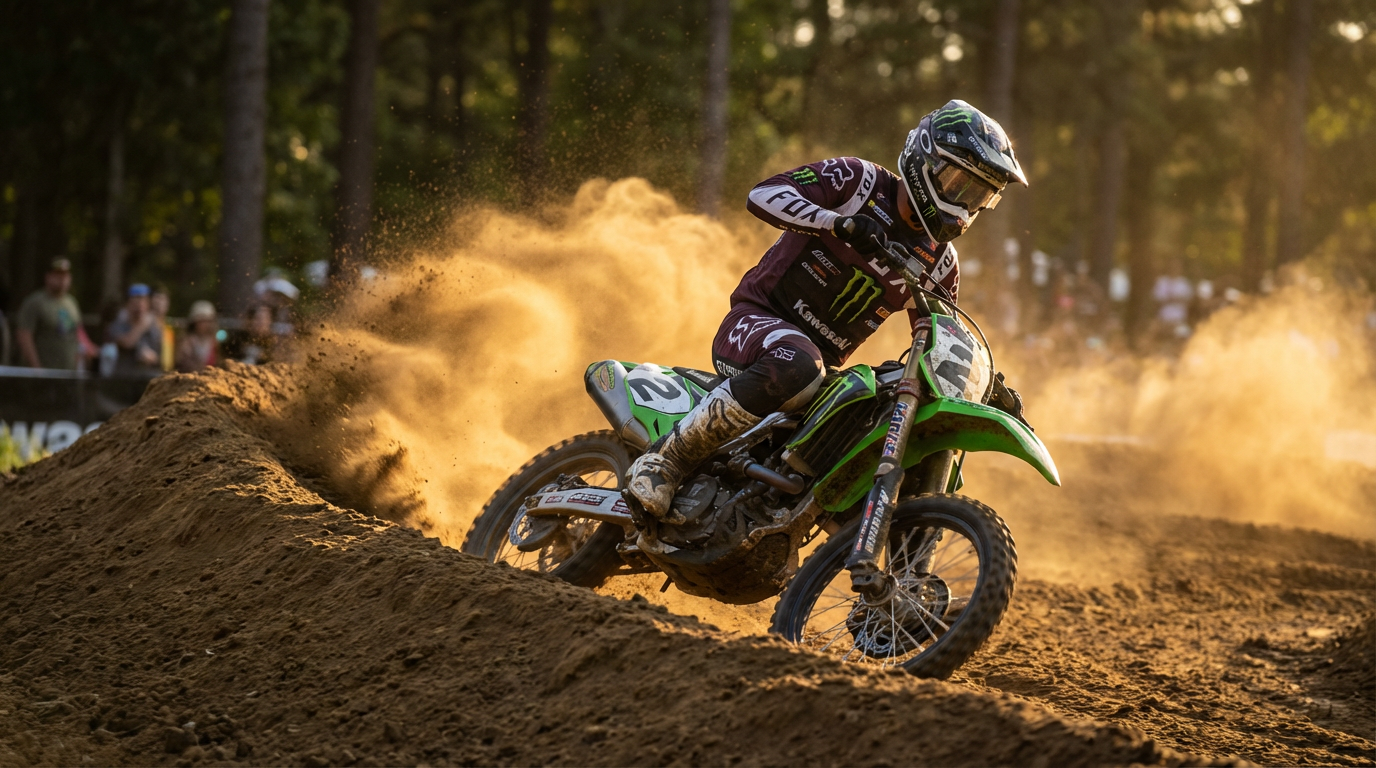
Table of Contents
- Why Jersey Durability Is A Performance Metric
- Pilling, Abrasion, and Stretch Fatigue: The Enemies Of A Jersey
- Engineering A Tough Jersey From The Fiber Up
- Nylon: The Off‑Road Tank
- Polyester: The Team‑Order Workhorse
- Cotton And Other Natural Fibers: Comfort Players, Not Front‑Line Armor
- Stretch Blends: Nylon–Spandex Versus Poly–Spandex
- Construction Choices That Change Durability
- Tighter Knits, Smarter Yarns
- Finishing Technologies: How “Anti‑Pill” Really Works
- How Top Brands Test Jersey Durability
- Pilling And Abrasion Testing
- Stretch, Recovery, And Shape Hold
- Moisture Management And Breathability As Durability Allies
- Field Testing: How I Try To Break A Jersey
- Specifying Durable Custom Jerseys: What To Ask Your Factory
- Care And Maintenance: Extending The Life Of A Well‑Engineered Jersey
- Short FAQ On Jersey Durability Testing
- How much pilling is acceptable on a high‑performance jersey?
- Is nylon or polyester better for custom team jerseys?
- Do “anti‑pill” hangtag claims really mean anything?
- References
When you are pinned wide open on a Kawasaki, railing a berm or grinding up a loose climb, your jersey is more than a billboard for sponsors. It is armor against abrasion, a second skin for sweat management, and a big part of how confident and “race-ready” you feel when you roll up to the line. If a custom jersey pills, sags, and stinks after a handful of rides, it does not matter how sharp the print is; it has already failed as performance gear.
From years of beating up test kits in the desert, on wet tree‑lined singletrack, and under heavy backpacks, I have learned that real jersey durability is built long before the first ride. It starts with fiber chemistry, continues through knit engineering and finishing, and gets proven in the lab with serious durability testing before we ever throw a leg over a bike. The good news is that textile research gives us very clear clues about what works and what falls apart.
In this deep dive, I will walk through the fabric technologies behind long‑lasting jerseys and the durability tests that separate true performance textiles from marketing hype, drawing on evidence from technical sources such as Pine Crest Fabrics, Szoneier, Testex Textile, Gainup Industries, Eberjey, and others.
Why Jersey Durability Is A Performance Metric
Durability is not just about saving money on replacements. It is a performance feature in its own right. Fabric pilling, blown-out elbows, bagged-out collars, and permanent sweat stink all show up faster on poor textiles, and they directly affect how your jersey feels and behaves on the trail or track.
Design consultancies like Fittdesign emphasize that pilling in particular is a critical quality signal. Those tiny fuzz balls that form on a garment’s surface make otherwise premium pieces look cheap and worn out, and they quickly erode brand trust and repeat purchases. For a rider, heavy pilling at the underarms, strap contact points, and side panels also increases friction and roughness, which you will feel every time you move.
Research briefs from Recovo and several textile labs point out that durability complaints almost always trace back to the same forces: friction from everyday movement, abrasion against gear, and harsh laundering. Jerseys live in that high‑stress zone. Backpack waistbelts, hydration pack straps, elbow and shoulder armor, drum harnesses in marching bands, even velcro on gloves all grind against the same fabric panels over and over. If the fibers, yarn construction, and finishes are not up to the task, pilling and surface wear show up frighteningly fast.
One band parent described new polyester–spandex uniform tops that were already pilling, fuzzing, and lifting the printed design after just four wears, with odor issues that gentle cold washes could not fully remove. That is exactly the kind of real‑world failure a durability testing program is designed to prevent.

Pilling, Abrasion, and Stretch Fatigue: The Enemies Of A Jersey
Most jersey failures fall into three buckets that show up together: pilling, abrasion damage, and stretch fatigue.
Pilling is the formation of small fiber balls when loose or broken fibers on the surface tangle together under friction. Sources from Cekno Clothing, Eberjey, Testex, and REI all describe the same mechanism. Short or weak fibers, loose or low‑density knits, and harsh wash cycles accelerate this process. High‑friction zones like underarms, inner arms, thigh panels, side seams, and any area under straps are where pills erupt first. Synthetic fibers such as polyester and nylon often hold on to broken fibers instead of shedding them, so the pills stay anchored and very visible.
Abrasion damage is the next stage. Gainup Industries and Testex Textile point to Martindale abrasion tests that simulate long‑term rubbing of fabric against a standard surface. In the real world, think sliding across packed dirt, leaning against concrete, or constant rubbing from a chest protector. Fabrics with weaker fibers, open constructions, or thin, lightweight builds break down more quickly, showing thinning, fuzzing, and eventually holes.
Stretch fatigue is the slow creep of a jersey that no longer snaps back to its original shape. Szoneier’s research on stretch fabrics for sportswear shows how high‑quality nylon–spandex or polyester–spandex blends can retain very high stretch recovery even after dozens of wash and wear cycles, while cheaper lower‑spandex blends lose their “snap,” leading to sagging elbows, baggy cuffs, and collars that do not sit where you want them.
In short, the enemies are built into the physics of riding and washing.

The only way to win is to engineer durability into the fabric and then verify it with smart testing.
Engineering A Tough Jersey From The Fiber Up
Nylon: The Off‑Road Tank
Nylon started life in the 1930s at DuPont as a synthetic alternative to silk and quickly moved from toothbrushes and stockings into rugged applications. Modern activewear research from American Fitness Couture and Wooter shows why it is still a go‑to performance fiber. Nylon delivers very high strength and elasticity, quick drying due to low absorbency, good color retention without babying, and resistance to dirt, heat, UV, and many chemicals.
Wooter notes that nylon used in sportswear can be roughly an order of magnitude stronger than cotton in certain comparisons and can elongate several times its original length before breaking, while still recovering its shape. In practice, that means a nylon‑rich jersey can flex with you when you are hanging off the back on a steep descent and still shrug off repeated scrapes, laundering, and hard use.

Not all nylon is the same. American Fitness Couture distinguishes between Nylon 6 and Nylon 6,6. Nylon 6 offers good elasticity, impact resistance, and easy dyeing. When blended with elastane or spandex, it delivers strong moisture wicking, stretch, recovery, and abrasion resistance. Nylon 6,6, by contrast, has even higher tensile strength, superior abrasion resistance, and better heat and sunlight resistance, which is why it shows up in luggage and outdoor gear that live rough lives.
For premium performance jerseys, Nylon 6 blended with elastane is often recommended to balance durability, moisture management, flexibility, quick drying, light weight, and softness. Some mills go a step further with microfibers like Tactel, a branded modified Nylon 6,6. Tactel’s ultra‑fine filaments create very soft, lightweight, breathable knits that still manage moisture well and are reported to dry up to about eight times faster than cotton, according to American Fitness Couture. That combination of fast drying, durability, and smooth hand is exactly what you want when you are sweating hard under a chest protector or riding through sudden rain.
There is a catch. UGA Wear notes that nylon can be less breathable than polyester, cotton, or mesh and tends to pill over time if the construction is not engineered carefully. American Fitness Couture also warns that low‑quality nylon for activewear often shows poor abrasion resistance, weak tear strength, poor moisture wicking, low UV resistance, and rough hand feel, especially when there is no elastane and the knit is thin and loose. In practice, that means nylon is fantastic for durability when you choose performance grades and dense constructions, but cheap nylon jerseys with loose knits are a pilling and comfort disaster waiting to happen.
Polyester: The Team‑Order Workhorse
Polyester is the workhorse of modern sportswear. Pine Crest Fabrics, UGA Wear, and Cosmo Sourcing all describe it as a lightweight, wrinkle‑resistant, affordable synthetic that, when engineered correctly, wicks moisture efficiently and holds its shape through repeated wear. It is widely used across running tops, cycling jerseys, football uniforms, and gym gear.
Several sources, including Cekno Clothing and Modaknits, emphasize that polyester is one of the most pill‑resistant fibers when it uses strong, smooth filaments and tighter knit or weave structures. That explains why so many basic team jerseys and uniforms are polyester‑heavy. Pilling risk increases when polyester blends with short‑staple cotton or uses loose, low‑density constructions, which is why some cheap cotton–polyester T‑shirts fuzz and bobble quickly while better engineered polyester jerseys do not.
Polyester does have trade‑offs. Cosmo Sourcing and UGA Wear highlight that it tends to be less breathable than some natural fibers and can trap odor if sweat and bacteria cling inside the synthetic matrix. Without proper moisture‑management finishes and good washing habits, that “perma‑funk” builds up quickly. For a Kawasaki rider blasting through hot, humid conditions, a polyester jersey that cannot breathe or shed odor is not going to cut it.

The sweet spot for many team jerseys is performance jersey fabric: a polyester–spandex blend described by researchers at City Tech as highly breathable, moisture‑wicking, and stretchy with excellent recovery. That kind of knit gives you the ruggedness and easy care of polyester with the freedom of movement and body‑hugging fit riders want.
Cotton And Other Natural Fibers: Comfort Players, Not Front‑Line Armor
Cotton is the classic comfort champion. UGA Wear and Cosmo Sourcing praise its softness, breathability, and warmth, making it great for athleisure, yoga, and low‑intensity activity. The downside, as Pine Crest Fabrics bluntly puts it, is that cotton soaks up moisture and holds it. Under heavy sweating it behaves like a damp towel, feeling clammy and drying slowly, which is why these sources consistently recommend against pure cotton as the primary fabric for intense workouts or performance jerseys.
On the durability side, cotton is a mixed bag. Long‑staple varieties such as Pima, Supima, and Egyptian cotton have fibers roughly twice as long as regular cotton, according to Eberjey, which makes them more durable and less prone to visible pilling. Modaknits further explains that ring‑spun and combed cotton, where fibers are tightly twisted and short fibers are removed, are significantly more pill‑resistant than basic cotton. For lifestyle jerseys and fan apparel that do not live under armor or pack straps, these premium cottons can offer great comfort and long life, but they are not the first choice for full‑gas riding kits.
Other natural or semi‑synthetic fibers bring interesting options. Bamboo–cotton blends, described by City Tech and UGA Wear, combine bamboo’s silky, temperature‑regulating, antibacterial, and odor‑reducing qualities with cotton’s breathability and strength. Modal and Lyocell (Tencel), covered by City Tech, Cekno Clothing, and Recovo, come from wood pulp and deliver a very soft, silky touch, smooth drape, high breathability, and strong resistance to shrinkage, stretching, and pilling. These fibers are excellent for soft next‑to‑skin pieces and casual performance wear, and they can be strong candidates for travel or recovery jerseys where comfort and sustainability matter as much as abrasion resistance.
Stretch Blends: Nylon–Spandex Versus Poly–Spandex
Almost every high‑performance jersey today relies on some form of spandex for stretch. Szoneier and Pine Crest Fabrics explain that spandex can stretch several times its original length and snap back, which is why it is woven into leggings, compression gear, and close‑fitting tops. On its own, spandex is not very breathable or durable, so it is nearly always blended with nylon or polyester.
Szoneier’s performance fabric research compares common blends. An eighty‑twenty nylon–spandex fabric delivers very high stretch and recovery with a smooth, premium hand. It is the blend many premium leggings and compression garments use, and it adapts well to tight jersey panels around the shoulders and arms where you need freedom of movement and abrasion resistance. Nylon’s inherent strength, described by Wooter and UGA Wear, adds resilience to high‑stress areas like elbows and shoulders.
An eighty‑five–fifteen polyester–spandex blend typically offers slightly lower stretch and recovery but dries faster and costs less. Szoneier and Pine Crest Fabrics note that this blend is ideal for tops, tees, and running shirts where sweat‑wicking and rapid drying are priorities. For custom jerseys, that makes poly–spandex a strong candidate for the main body panels, especially in hot climates or when budget is tight.
To summarize some of these options, it helps to see them side by side.
|
Fiber / Blend |
Strengths For Jerseys |
Pilling & Durability Notes |
Typical Use In Custom Jerseys |
|---|---|---|---|
|
Nylon (6 or 6,6) |
Very strong, elastic, quick‑drying, good color retention |
High abrasion resistance when engineered; low‑quality, loose knits can pill and snag |
High‑stress panels, sleeves, compression fits |
|
Polyester |
Affordable, shape‑retaining, moisture‑wicking, easy care |
Among the most pill‑resistant when tightly knit; some blends trap odor or pill if cheap |
Main body panels, mass‑market team jerseys |
|
Nylon–Spandex |
Soft, “second‑skin” feel, excellent 4‑way stretch and recovery |
Very durable when made with performance Nylon 6 or 6,6; good pilling resistance reported |
High‑performance race jerseys, fitted sleeves, inserts |
|
Poly–Spandex |
Fast‑drying, good stretch, budget‑friendly |
Good pill resistance in tight knits; quality varies with filament and construction |
Running‑style jerseys, lightweight tops |
|
Long‑Staple / Ring‑Spun Cotton |
Premium softness and comfort for casual or fan wear |
Less pilling than basic cotton; still absorbs sweat and dries slowly |
Lifestyle jerseys, warm‑up tops |
|
Modal / Tencel / Bamboo Blends |
Silky, breathable, good drape, often more sustainable than conventional rayon |
Naturally more pill‑resistant, but not designed for heavy abrasion under packs or armor |
Travel, recovery, low‑impact riding jerseys |
The key is matching each fiber story to the real abuse your jersey will take. A downhill race jersey under body armor has a very different durability profile than a casual Kawasaki lifestyle tee for Sunday brunch.
Construction Choices That Change Durability
Tighter Knits, Smarter Yarns
Fiber choice is only half the story. The way fibers are spun into yarn and knitted into fabric has a huge impact on how a jersey ages.
Multiple sources, including Modaknits, Testex Textile, Slipintosoft, and Fittdesign, show that weak or short fibers, loose or open constructions, and low‑density knits are much more prone to pilling. Tightly twisted yarns and compact weaves or knits lock fibers in place so they are less likely to break free and tangle on the surface. Ring‑spun and combed cotton, for instance, remove shorter fibers and twist the remaining fibers more tightly, improving both strength and pill resistance compared with basic cotton.
For jerseys, performance jersey knits and interlock structures stand out. City Tech and Szoneier highlight that these constructions, especially when blended with spandex, provide true four‑way stretch, excellent recovery, and good durability under mechanical stress. Interlock knits in particular give more body and support, making them ideal for compression zones that must hold shape.
On the other end of the spectrum, seamless knits can feel incredibly soft and stretchy with minimal seams, which Pine Crest Fabrics positions as ideal for yoga and low‑impact workouts. However, that same softness and openness can make them more prone to pilling, snags, and sheerness in high‑friction or high‑impact use. For a performance jersey, seamless panels might make sense in low‑stress zones, but they should be combined with more robust constructions where packs and armor rub.

Finishing Technologies: How “Anti‑Pill” Really Works
Manufacturers have several tools for improving pilling performance at the finishing stage. Gainup Industries mentions anti‑pilling finishes like cellulase enzyme washes that remove surface fuzz and polymer coatings that bind fibers together. When combined with better fibers and tight constructions, these finishes can noticeably reduce early pilling.
However, Wazoodle Fabrics offers a strong counterpoint based on their fleece program. They argue that “anti‑pilling” as a permanent promise is essentially a myth. No finish can stop pilling forever because fabric will always experience friction and wear. Their analysis of common anti‑pill treatments such as silicones, resins, enzymes, and chemical crosslinkers shows serious trade‑offs.
Silicone finishes coat fibers to reduce entanglement but are not easily biodegradable and can persist in soil and water for very long periods. Wazoodle notes that they can contribute to water pollution during manufacturing and disposal and may be linked to health risks such as hormone disruption and developmental effects. Resin finishes often use toxic chemicals like formaldehyde or phenols and can complicate recycling by making it harder to separate materials, leading to more landfill waste. Chemical crosslinkers, used to chemically bond fibers together, are flagged as particularly problematic toxicity‑wise and similarly interfere with recycling and can pollute waterways.
Even the friendliest of these technologies, enzyme finishes, still require energy and can contribute to water pollution if effluent is not treated. All of them can reduce softness, reduce breathability by clogging pores, increase cost, and sometimes weaken fibers over time.
From a performance perspective, that means the short‑term aesthetic benefit of slightly delayed pilling may not justify the environmental cost or the risk of compromised comfort and durability. Personally, I would rather see a jersey engineered with strong fibers, dense knits, and long‑staple or high‑filament yarns, paired with good care instructions, than one leaning heavily on aggressive chemical finishes.

How Top Brands Test Jersey Durability
If you are ordering custom jerseys in volume, guessing is not an option. This is where standardized lab tests and structured field testing come in.
Pilling And Abrasion Testing
Textile labs such as Testex and manufacturers profiled by Gainup use Martindale abrasion testers and Random Tumble Pilling testers to simulate long‑term wear. In Martindale testing, fabric samples are rubbed against a standard surface in controlled patterns and pressure to measure both surface wear and pilling. Random Tumble Pilling exposes fabrics to tumbling and rubbing with abrasives to accelerate pill formation. Results are graded along a pilling severity scale, from no visible pilling through slight and moderate to severe and very severe, as Fittdesign describes.
Standards like ISO 12945‑2, ASTM D3512, and AATCC 8 give brands a common language for comparing fabrics. A jersey panel that scores in the better grades after significant simulated wear is far less likely to erupt in pills or thin patches halfway through a race season.

When you spec fabric for custom jerseys, asking mills for pilling and abrasion test reports under these standards is not overkill; it is basic due diligence.
The fiber story matters here as well. Testex and Slipintosoft point out that synthetic fibers such as polyester and acrylic, and blends that include them, tend to pill more visibly because their strong filaments hold broken fiber ends on the surface instead of letting them shed. Wool and loosely knitted cotton can also pill heavily in high‑friction zones. Tight constructions, smoother filaments, and long‑staple fibers all improve test results.
Stretch, Recovery, And Shape Hold
For stretch fabrics, Szoneier discusses standardized tests such as ASTM D2594 and ASTM D3107 that measure how far a fabric can stretch and how well it recovers after repeated extension. Their case studies show that high‑quality stretch jerseys with around one‑fifth spandex content can retain a very high percentage of their stretch recovery even after one hundred wear and wash cycles, while cheaper, lower‑spandex fabrics lose a substantial portion of their snap.
In practical terms, that data tells you whether the jersey elbows will hold their shape after months of bar dragging and whether the collar will still sit cleanly around a neck brace. When I evaluate a potential jersey fabric, I want to know that its recovery does not collapse after a few dozen rides.
Moisture Management And Breathability As Durability Allies
Moisture and breathability tests focus on comfort, but they also affect durability. Szoneier and Pine Crest Fabrics reference air permeability tests such as ASTM D737 and moisture vapor transmission and wicking tests under standards like AATCC TM197. Performance polyester and nylon–spandex jerseys that show strong moisture wicking and high breathability keep riders drier and cooler, which reduces the time fibers spend saturated and vulnerable.
Cosmo Sourcing and triathlon apparel case studies cited by Szoneier point out that higher‑breathability fabrics can keep athletes noticeably cooler over long runs. A cooler, drier jersey is less likely to accumulate odor‑causing bacteria, so riders can wash it on gentler cycles and avoid harsh detergents and high heat, which in turn extends fabric life.
Field Testing: How I Try To Break A Jersey
Lab tests are essential, but they do not tell the whole story. Before I trust a new jersey fabric for a Kawasaki race program or adventure line, I try very hard to break it.
I wear sample jerseys on long rides with a hydration pack, making sure the shoulder straps and waistbelt sit right over seams and high‑stress panels.

I pay attention to how quickly pills or fuzz show up under the straps, at the lower back, and on the sides where arm swing and body English cause constant rubbing. REI’s guidance that abrasion is the primary driver of pilling is very obvious when you check those zones after a few rides.
I wash jerseys inside out on the shortest gentle cycle, in cold water with a mild detergent, as recommended by Cekno Clothing, Blueland, Lifehacks contributors, Devoteewear, and Recovo. I avoid overloading the machine and do not mix jerseys with rough items like jeans or towels. Then I air dry them, because sources from UGA to Slipintosoft consistently warn that high dryer heat weakens fibers and accelerates pilling.
After several cycles, I inspect for early pilling, seam distortion, and print lift. The band‑uniform case, where polyester–spandex tops showed pilling and graphic damage after only four wears, is a cautionary tale I keep in mind. Good jerseys should still look fresh after that kind of use.
Finally, I look at how easy it is to clean pills if they do appear. Blueland, Fittdesign, Recovo, and Slipintosoft all recommend tools like fabric combs and electric shavers to remove pills without harming the base fabric. If a jersey’s surface pills but cleans up quickly with a gentle pass of a fabric shaver, I am much more forgiving than when pills are deeply anchored and take the base yarn with them when removed.
Specifying Durable Custom Jerseys: What To Ask Your Factory
When you sit down with a factory or fabric mill to spec custom jerseys, durability should be built into the conversation from the outset rather than bolted on at the end.
Start with fiber and blend selection. For performance riding jerseys, discuss nylon–spandex and polyester–spandex performance jerseys specifically, drawing on what suppliers like Pine Crest Fabrics, UGA Wear, and Szoneier highlight. Ask whether the nylon is Nylon 6 or 6,6 and whether any Tactel‑style microfibers are available if you want a softer, faster‑drying premium option. For fan jerseys and lifestyle apparel, explore long‑staple ring‑spun or combed cotton, Modal, or Tencel as described by Eberjey, Modaknits, and Cekno Clothing for elevated comfort and better pill resistance.
Then move directly to test data. Rather than accepting generic “anti‑pill” claims, request pilling and abrasion reports under recognized standards such as ISO 12945‑2, ASTM D3512, and Martindale abrasion protocols mentioned by Testex and Gainup. For stretch jerseys, ask for ASTM D2594 and D3107 stretch and recovery data, along with any moisture management and breathability reports under ASTM D737 or AATCC methods. Mills that supply serious athleisure and outdoor brands usually already have these numbers; the key is actually looking at them.
Construction details come next. Push for tightly knitted performance jersey or interlock fabrics and avoid very loose, low‑density knits in high‑stress panels. If cotton is in the mix, specify long‑staple and ring‑spun or combed yarns rather than basic open‑end yarns. For seamless styles, use them strategically in low‑abrasion zones and back them up with stronger fabrics where gear rubs.
Finally, be deliberate about finishes. Ask directly whether fabrics rely on silicone, resin, or crosslinker‑based anti‑pill treatments and weigh that against Wazoodle’s evidence of reduced softness, reduced breathability, and significant environmental impacts. In many cases, a combination of inherently pill‑resistant fibers, tight constructions, and realistic user care guidelines will deliver better long‑term performance than aggressive surface treatments.
Care And Maintenance: Extending The Life Of A Well‑Engineered Jersey
Even the best engineered jersey will age fast if it is abused at the laundry stage. The care strategies that fabric specialists recommend all revolve around one principle: reduce friction and heat.
Cekno Clothing, Devoteewear, Lifehacks contributors, Recovo, Blueland, Slipintosoft, and Testex consistently advise turning garments inside out before washing, using gentle cycles with cold water, washing with similar fabrics rather than rough items, and avoiding overloaded machines. Mesh laundry bags add another layer of protection for softer or more technical jerseys, reducing fabric‑on‑fabric rubbing.
Drying is just as critical. Sources ranging from UGA Wear to Blueland warn that high dryer heat weakens fibers and accelerates pilling. Air drying or using low‑heat settings keeps fibers stronger and preserves elastane’s stretch longer. For breathable performance jerseys, this drying process is usually quick anyway.
When pilling does occur, fabric shavers, combs, sweater stones, and lint rollers are the tools of choice, as recommended by Blueland, Fittdesign, Recovo, Slipintosoft, and Testex. The key is to work on a flat, taut surface and use light pressure so you remove pills without cutting into the base fabric.
Finally, detergent choice and rinsing matter. Wooter points out that detergent residue can clog moisture‑wicking channels and water‑repellent finishes, reducing breathability and durability. Mild detergents and thorough rinsing keep fibers cleaner and more responsive. Bleach and very harsh detergents should be avoided on performance jerseys because they weaken fibers and contribute to faster pilling and structural breakdown, a point echoed by several pilling guides.
Short FAQ On Jersey Durability Testing
How much pilling is acceptable on a high‑performance jersey?
Industry guides from Fittdesign and Testex describe qualitative scales from no pilling through very severe pilling. In real use, some slight surface fuzzing in high‑friction zones is inevitable, especially on soft, next‑to‑skin garments. What you want to avoid is moderate to severe pilling showing up after only a few wears or washes. If a jersey starts to look rough after the first race weekend, the fiber choice, construction, or care instructions are not aligned with its use.
Is nylon or polyester better for custom team jerseys?
Nylon tends to win on raw strength and abrasion resistance. Research cited by Wooter and American Fitness Couture shows that nylon is extremely strong, elastic, and quick‑drying, especially in performance grades like Nylon 6 and 6,6. Polyester, according to Pine Crest Fabrics, UGA Wear, and Modaknits, offers excellent shape retention, moisture wicking, and pill resistance in tight constructions and is more budget‑friendly. For fully committed performance jerseys under hard use, a nylon–spandex performance jersey often feels more premium and survives more abuse, while polyester‑dominant jerseys are a great choice for mass‑market team kits and hot‑weather bodies where fast drying and cost matter.
Do “anti‑pill” hangtag claims really mean anything?
Anti‑pill finishes can reduce early pilling by removing surface fuzz or binding fibers, as Gainup describes, but Wazoodle’s deep dive shows that they do not stop pilling forever and can introduce serious trade‑offs. They may reduce softness and breathability, add toxic or persistent chemicals to the fabric, and complicate recycling. From a performance standpoint, an “anti‑pill” claim is far less meaningful than documented pilling test results and a strong underlying fabric design. It is better to read the fiber content, ask for test data, and follow good care practices than to rely on a magic coating.
If you want jerseys that can keep up with a Kawasaki mindset—fast, aggressive, and built to last—treat fabric choice and durability testing as seriously as suspension tuning or brake setup. Specify the right fibers and constructions, demand real lab data, run your own field shakedowns, and then back it all up with smart care. Do that, and your custom jerseys will still look and feel ready for the next adventure long after the first season’s checkered flags have dropped.
References
- https://uknowledge.uky.edu/cgi/viewcontent.cgi?article=1010&context=mat_etds
- https://openlab.citytech.cuny.edu/activesense/fabric-research/
- https://www.blueland.com/articles/prevent-and-remove-pilling-from-fabrics?srsltid=AfmBOopqTrgFr1AwkiYxPP_5zEkBKiKdrAK3zuZULNL7SY6V_BsqYbmw
- https://ceknoclothing.com/say-goodbye-to-pilling-best-fabrics-to-choose/
- https://www.cosmosourcing.com/blog/the-ultimate-guide-to-activewear-fabrics
- https://www.fittdesign.com/blog/fabric-pilling-causes-treatment-and-prevention?srsltid=AfmBOoqdrxQdR7HpoBs6_Kx6cE_fo0JN1lnioafPp9x4pzeWus4P2UxH
- https://www.gainup.in/fabric-pilling-guide-2025-causes-prevention-best-anti-pilling-fabrics/
- https://modaknits.com/what-fabric-is-least-likely-to-pill/
- https://szoneierfabrics.com/best-stretch-fabric-options-for-sportswear-and-athleisure-lines/
- https://www.testextextile.com/understanding-fabric-pilling-which-fabrics-are-prone-to-pilling-2/
RELATED ARTICLES


Ready to start your sportswear brand?
Get a free quote for custom sportswear manufacturing with no minimum order quantity.