
How Lycra Blended Fabrics Enhance the Fit of Athletic Wear

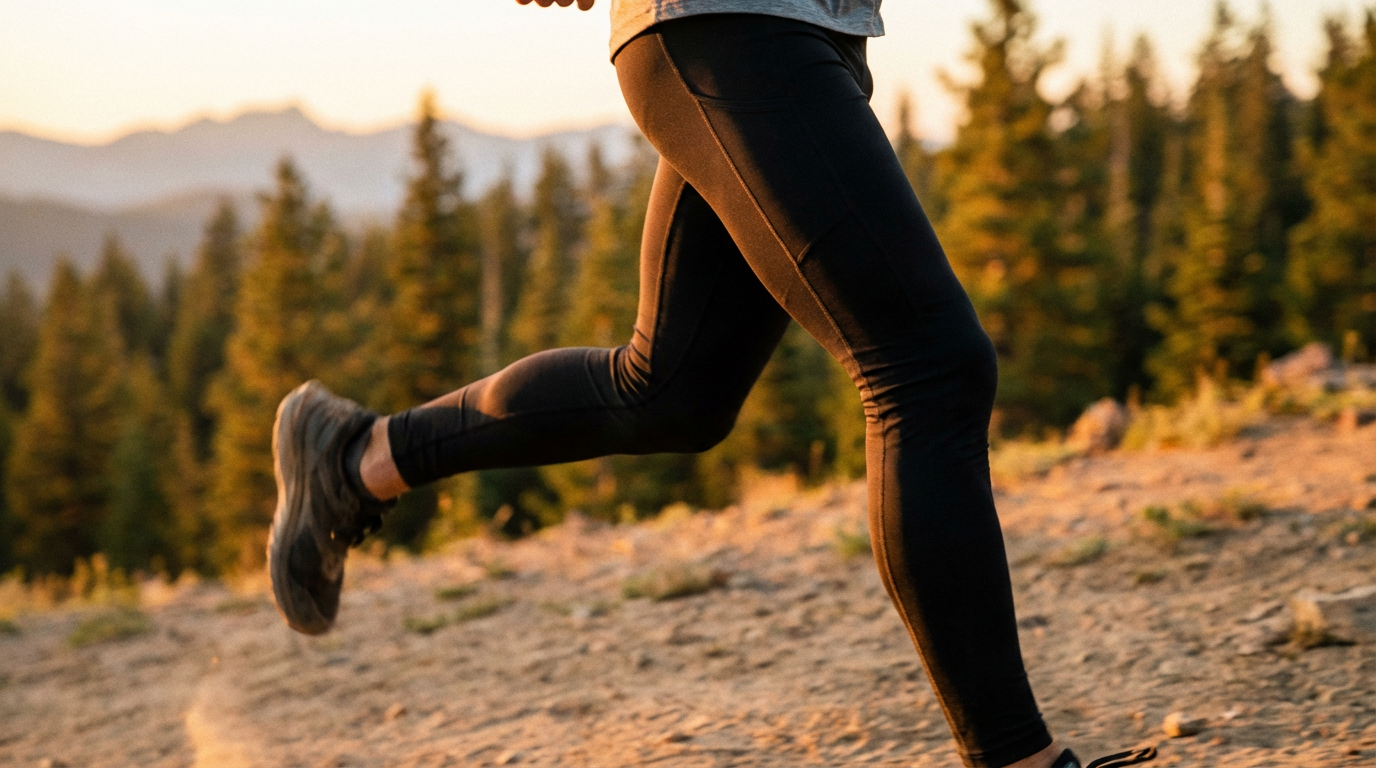
Table of Contents
- What Lycra Actually Is
- Why Blends Matter More Than Raw Lycra
- Core Fit Advantages Lycra Brings To Any Blend
- How Different Lycra Blends Feel On The Body
- Polyester–Lycra: The Workhorse For High‑Sweat Training
- Nylon–Lycra: Premium Second‑Skin For Mobility And Style
- Cotton–Lycra: Everyday Comfort With Controlled Stretch
- Lycra Mesh And Zoned Compression Panels
- High‑Lycra Compression Garments
- The Science Of Stretch, Fit, And Fabric Longevity
- Pros And Cons Of Lycra Blends For Fit
- How To Choose The Right Lycra Blend For Your Sport
- Caring For Lycra Blends So They Keep Their Fit
- Sustainability And The Future Of Lycra Blends
- FAQ: Dialing In Lycra Fit For Real‑World Use
- Is more Lycra always better for fit?
- How long does a Lycra blend keep its fit?
- Are Lycra blends a good idea for hot‑weather adventures?
- References
When you push a bike through a tight series of switchbacks or grind up a steep trail, fit stops being a fashion detail and becomes performance hardware. If your tights creep down, your base layer bags at the elbows, or your jersey twists under a pack, you feel it in every movement. As someone who spends days testing high‑performance gear in the saddle and on the trail, I can tell you that the quiet hero behind modern “second‑skin” fit is not the logo on the chest but the Lycra blended into the fabric.
Lycra blends, when engineered well, create that locked‑in yet unrestrictive feel that lets you forget your clothes and focus on the line ahead. When they’re done badly, you get hot spots, sagging knees, and tights that feel great in the fitting room and sloppy a month later. This article breaks down exactly how Lycra blended fabrics enhance fit in athletic wear, what the different blends actually do, where the limits are, and how to choose and care for them like a performance engineer instead of a random shopper.
What Lycra Actually Is
Lycra is not a fabric type like cotton; it is a specific elastic fiber. Technically, it is a synthetic elastomeric polyurethane fiber, the same family as spandex and elastane. Elastane is the international generic name, spandex is the common term in the United States, and Lycra is a trademark owned by The LYCRA Company for branded, quality‑controlled elastane.
Chemists at DuPont, led by Joseph Shivers, developed this fiber in the late 1950s to replace rubber in restrictive garments. According to summaries from Italian Artisan and Baleaf Sports, Lycra can stretch to about five times its original length and snap back, while advanced variants tested by suppliers such as SzoneierFabrics can reach around 700 percent elongation with about 95 percent recovery even after one hundred wash cycles. That stretch‑and‑recovery behavior is the core reason Lycra transformed activewear, swimwear, and compression gear.
On its own, Lycra is lightweight, highly elastic, abrasion‑resistant, and resistant to pilling. It also has low moisture absorption and, when engineered correctly, can work with moisture‑wicking fibers to help keep the skin drier. But pure Lycra fabric is rarely used on its own because it is too stretchy and not structurally stable enough for most garments. The magic happens in blends.

Why Blends Matter More Than Raw Lycra
In real performance garments, Lycra usually makes up only a small percentage of the total fabric. Research from sources such as Smart Pattern Making, Veetrends, and SzoneierFabrics shows typical elastane contents ranging from about 2 to 30 percent depending on the application. Everyday stretch denim may only use roughly 2 to 4 percent Lycra, while serious compression leggings, swimwear, or medical garments may climb into the 15 to 25 percent range.
The remaining bulk of the fabric is usually polyester, nylon, cotton, or newer fibers such as modal, bamboo, or TENCEL lyocell. Each of those base fibers brings something different: polyester adds durability, colorfastness, and quick‑dry performance; nylon adds softness and strength; cotton adds breathability and a familiar feel; regenerated fibers add drape and comfort. Lycra’s job is to inject controlled stretch and recovery into that matrix.
Textile engineers tune three big levers when they want to dial in fit:
Lycra content as a percentage of the blend, fabric construction (knit, woven, mesh, warp knit, interlock), and finishing treatments such as moisture‑management coatings, UV protection, or soft‑hand finishes.
Get those three levers aligned and you have a fabric that moves like skin, supports muscles, and snaps back session after session. Get them wrong and you end up with tights that feel like cling film, or jerseys that cling to sweat instead of moving it.

Core Fit Advantages Lycra Brings To Any Blend
Even before we talk about specific blends, it is worth isolating what Lycra does for fit, regardless of the other fibers around it.
Lycra delivers multi‑directional stretch. Fabrics engineered with Lycra can achieve genuine four‑way stretch, meaning they extend both across and along the body. SzoneierFabrics reports that adding about 15 percent Lycra to a polyester knit raises elongation from around 30 percent in a pure polyester fabric to about 65 percent in the blend. For you, that translates into deeper lunges, easier mounting and dismounting on a tall bike, and less pulling at your waistband when you tuck into an aggressive position.
It locks in shape and reduces sagging. In the same SzoneierFabrics tests, the polyester‑only fabric showed about 10.2 percent post‑stretch sag, while the 85 percent polyester and 15 percent Lycra blend sagged only about 2.1 percent. That is the difference between knees that bag out after a few squats and knees that still look like new halfway through a season of trail runs.
It improves fit across body types. Because Lycra can stretch several times its length and still recover, garments can comfortably span a wider range of body shapes within a given size. Suppliers and brands note that this helps reduce sizing errors and unsold inventory. For the athlete, it simply means you are more likely to get a snug, confident fit off the rack.
It enhances comfort and reduces chafing. A blend that includes Lycra can be cut closer to the body without feeling restrictive. That reduces fabric flutter and excess folds, which cuts down on hotspots under a pack strap or at the back of the knee. When combined with moisture‑wicking fibers like polyester, it also helps reduce sweat‑induced friction.
It supports muscles and joints. In compression garments, high Lycra content gives controlled pressure around muscles. Sports Performance Bulletin and SzoneierFabrics highlight findings where compression tights and shorts reduce muscle oscillation, improve proprioception, and can support better recovery markers such as lower creatine kinase levels and altered lactate behavior. You feel this as subtle support around quads and calves that holds everything stable under impact.
Put simply, Lycra is the spring system inside the fabric.

The base fiber defines the chassis; Lycra tunes the suspension.
How Different Lycra Blends Feel On The Body
The way a garment fits and behaves comes down to the combination of base fiber, Lycra content, and construction. Here is a high‑level comparison grounded in the research notes.
|
Blend type |
Typical Lycra range in sources |
Fit and feel for athletes |
Ideal use cases |
|---|---|---|---|
|
Polyester + Lycra |
Around 10–20 percent Lycra in performance knits, such as 90/10 or 85/15 |
Structured, supportive, with strong snap‑back and quick‑dry behavior; holds shape under sweat and repeated washing |
Running tights, team jerseys, general gym wear, high‑sweat base layers |
|
Nylon + Lycra |
Often 10–20 percent Lycra in premium leggings and swimwear |
Very soft, sleek, and “second‑skin,” with high flexibility and gentle compression; slightly warmer and more insulating |
Yoga and Pilates leggings, dancewear, premium compression pieces, swimwear |
|
Cotton + Lycra |
Often a few percent Lycra in denim and casual knits; higher in stretch leggings |
Natural, breathable handfeel with comfortable stretch; more prone to holding moisture |
Casual stretch jeans, lifestyle leggings, hybrid athleisure that skews toward comfort |
|
Polyester mesh + Lycra |
Stretch mesh blends with polyester and Lycra, engineered for four‑way stretch |
Highly breathable, with localized compression and ventilation zones; dries fast |
Ventilation panels in jerseys, back‑of‑knee zones, dance and performance costumes |
|
High‑Lycra compression blends |
Lycra content can rise above 15 percent, and some compression pieces approach majority‑Lycra content in functional zones |
Firm, medical‑grade compression with strong muscle support; very close fit that must be correctly sized |
Recovery tights, medical compression wear, targeted leg sleeves and socks |
Now let us look at what this means in practice for performance and adventure use.
Polyester–Lycra: The Workhorse For High‑Sweat Training
Polyester is a durable, wrinkle‑resistant synthetic fiber. When you blend it with Lycra, you combine the structural stability and colorfastness of polyester with the stretch and recovery of Lycra. The University of Arizona’s housing and lifestyle resources describe polyester–Lycra as soft, gentle on skin, and ideal for yoga pants, leggings, and fitted tops because it holds shape over repeated washing.
Technical data from multiple sources back this up. SzoneierFabrics found that an 85 percent polyester and 15 percent Lycra fabric not only stretched more but also recovered about three times faster in lab tests than pure polyester. Other notes on polyester‑Lycra mesh from Suertefabric indicate moisture‑wicking rates around 0.65 to 0.90 grams per square meter per second and dry times around fifteen to twenty minutes for typical polyester‑spandex mesh. That is why running shirts, soccer jerseys, and high‑output base layers are dominated by polyester‑based blends.
On the body, polyester‑Lycra feels slightly more structured than a nylon‑Lycra legging.

It is a great choice when your ride or run is going to be sweaty, fast, and dirty, and you need gear that dries quickly in the back of a truck or over a motel rail.
Nylon–Lycra: Premium Second‑Skin For Mobility And Style
Nylon brings softness, smoothness, and strong yarn strength. When you push Lycra content into the 10 to 20 percent range on a nylon base, you get that ultra‑flexible, body‑hugging feel that premium yoga and dance brands are built on. SzoneierFabrics and Szoneier’s comparative guides point out that nylon‑Lycra blends often reach higher stretch percentages than polyester blends but may dry a bit slower, with moisture‑management rates around 0.40 to 0.60 grams per square meter per second and dry times in the twenty to thirty minute range.
In practice, nylon‑Lycra is perfect for sessions where you are bending, twisting, and holding positions rather than simply dumping sweat, such as yoga, Pilates, bouldering, or long static riding positions.

It feels softer against the skin and tends to contour the body more smoothly, making it a favorite for riders and runners who want their leggings to look as clean at the coffee stop as they feel on the trail.
Cotton–Lycra: Everyday Comfort With Controlled Stretch
Cotton on its own is breathable and soft but has almost no recovery, and it absorbs moisture heavily. Blend in Lycra and you get garments that look and feel familiar but fit and move better. Italian Artisan, Baleaf Sports, and Smart Pattern Making all highlight cotton‑Lycra’s ability to add stretch and shape retention to jeans, T‑shirts, and casual leggings.
Cotton‑Lycra is ideal when you are living an athletic lifestyle, not just training. Think road trips, pit‑stops, or camp evenings after a long ride, where you still want freedom of movement but you are not concerned about shaving seconds off a climb. The trade‑off is that cotton‑rich blends will hold onto sweat and dry more slowly, so they are not the best choice for high‑output intervals or humid summer runs.
Lycra Mesh And Zoned Compression Panels
Lycra mesh fabrics, described by Suertefabric, combine polyester or nylon with Lycra in a net‑like structure that has small holes and four‑way stretch. The result is a fabric that is extremely breathable, quick‑drying, and capable of localized compression.
From a fit perspective, mesh with Lycra is a powerful design tool. You can run solid, more supportive panels around quads and glutes, then drop in mesh behind the knees, under arms, or along the spine under a pack for ventilation. Tests cited by Suertefabric show that polyester‑Lycra mesh improves tear strength and abrasion resistance over plain polyester mesh, supporting aggressive movement without the fabric bagging out.
If you have ever worn a jersey with mesh underarms that remains close to the body instead of gaping, you have felt this concept in action.

High‑Lycra Compression Garments
Compression wear is essentially Lycra turned up to race mode. Sports Performance Bulletin notes that compression garments can contain very high Lycra percentages and that some compression tights and socks were originally developed to reduce thrombosis in medical contexts before being adopted by athletes.
Studies summarized in that source show that compression shorts and tights can reduce muscle oscillation, help athletes maintain jumping power longer, and may modestly reduce oxygen cost at sub‑maximal running speeds. Recovery research in rugby players showed compression garments performing as well as more complicated recovery protocols at reducing markers of muscle damage.
Fit‑wise, these garments are unforgiving. They need to be correctly sized and carefully cut. Too loose and you lose the compression benefits; too tight and you risk discomfort and restricted movement. The Lycra content that makes these products effective also makes them very sensitive to heat and harsh chemicals, so care is critical.
The Science Of Stretch, Fit, And Fabric Longevity
From a performance engineering perspective, fit is not only how a garment feels on day one, but how that feel holds up across months of training, washing, and abuse.
SzoneierFabrics conducted fifty‑cycle wash tests on various blends using standardized protocols. A 90 percent polyester and 10 percent Lycra fabric retained about 98 percent of its original recovery after fifty washes, with shrinkage around 0.3 percent and high pilling resistance. A 100 percent polyester comparison fabric retained around 95 percent recovery with about 1.2 percent shrinkage and lower pilling resistance. Blending in Lycra not only improved the stretch profile but actually stabilized the fabric’s dimensional behavior over time.
Mechanical testing on tear strength and abrasion follows a similar pattern. Polyester‑only fabrics recorded tear strength around 23 newtons and about eight thousand abrasion cycles in one reported test, while polyester‑Lycra blends reached about 29 newtons and around twelve thousand cycles. Lycra’s elastic segments allow the fabric to flex under load instead of simply tearing once a threshold is reached, which is critical in high‑stress zones like knees and seat panels.
On the fiber level, advanced Lycra variants tested at around 700 percent maximum elongation with about 95 percent recovery after one hundred wash cycles, compared with generic elastane at roughly 550 percent elongation and around 72 percent recovery. That is why branded Lycra has become a performance marker used by major players such as Nike, Lululemon, Under Armour, Adidas, Patagonia, and 2XU in their higher‑end lines, according to technical summaries from fabric suppliers and Goodworth Sports.
In short, Lycra is not just about instantaneous stretch.

It is about predictable, repeatable recovery, which is what keeps your gear fitting the same at mile one and mile one thousand.
Pros And Cons Of Lycra Blends For Fit
Every material choice is a trade‑off. Lycra blended fabrics are no exception.
On the plus side, Lycra blends deliver freedom of movement, consistent compression, and long‑term shape retention. Compared with cotton or plain polyester, they are far less likely to bag at the knees, elbows, or seat. Polyester‑Lycra and nylon‑Lycra blends engineered for activewear shrug off frequent washing, resist pilling, and can maintain color and performance through heavy use, as noted by sources like Italian Artisan, Goodworth Sports, and SumiroTrends.
They also broaden the fit window. One size can comfortably accommodate more body shapes, and pattern makers can design closer fits without fear that the garment will become unwearable when the athlete bends or twists.
However, there are downsides:
Lycra is a petrochemical, synthetic fiber and is not biodegradable. Italian Artisan, Align Textile, and Source of Fabric all stress the environmental cost of both the raw materials and the energy‑ and water‑intensive manufacturing, especially in dyeing and finishing.
High Lycra content can reduce breathability and trap heat if the base fabric and construction are not designed carefully. Align Textile points out that high Lycra percentages can compromise comfort in hot conditions unless balanced by lighter structures or breathable fibers.
Lycra is heat‑sensitive at processing and care stages. Align Textile’s technical notes and Baleaf Sports’ care advice agree that excessive heat can degrade Lycra’s elasticity. Industrially, that means keeping setting and dyeing temperatures below roughly 390°F to avoid fiber damage. At home, it means being conservative with wash and dry temperatures.
Cost is higher. Branded Lycra fibers cost more than generic stretch yarns or plain polyester. Detailed cost comparisons from Veetrends and SzoneierFabrics show Lycra‑rich blends demanding a premium per yard over polyester‑spandex or polyester‑only options, particularly in fabrics carrying official Lycra trademarks and performance finishes.
Finally, fit can become “too good” if designers over‑spec the compression. A legging with high Lycra content and aggressive patterning may feel fantastic when you are standing still but restrictive in a deep squat or on the bike. That is not Lycra’s fault; it is a reminder that elastane amplifies both good and bad pattern decisions.
How To Choose The Right Lycra Blend For Your Sport
When I spec gear for aggressive riding, trail running, and mixed‑terrain adventures, I think about three questions: what the body is doing, how much you are sweating, and how much abuse the garment will see from the environment.
If your sessions are sweat‑heavy and high impact, such as interval runs, HIIT circuits, or hot‑weather rides, polyester‑Lycra is usually the first choice. University research and supplier data agree that polyester‑Lycra offers excellent moisture‑management and fast drying, particularly in mesh constructions, while still delivering strong recovery. Look for blends around 10 to 15 percent Lycra in leggings or base layers and about 5 to 8 percent in tops and tanks, as suggested by SzoneierFabrics’ blend guidelines.
If your sport is mobility‑driven with lots of flex and hold, such as yoga, Pilates, bouldering, or long studio sessions, nylon‑Lycra can feel more luxurious. SzoneierFabrics recommends 10 to 15 percent Lycra in leggings and similar ranges in sports bras based on nylon bases for soft yet supportive fit. Expect a slightly warmer, more enveloping feel, which many athletes prefer indoors or in cooler climates.
For everyday adventure and casual crossover pieces, cotton‑Lycra is hard to beat. As Italian Artisan and Baleaf Sports note, small amounts of Lycra in denim or cotton knits radically improve comfort and shape retention without changing the essential look and hand of the cotton. Just remember these are lifestyle pieces first; if you are planning a long, hot run, swap them for a performance polyester‑Lycra or nylon‑Lycra tight.
When you need targeted support or recovery help, compression garments with higher Lycra content get the nod. Sports Performance Bulletin’s analysis suggests that compression tights and socks can reduce muscle oscillation, support venous return, and assist recovery compared with non‑compressive clothing or passive rest. Use them for long travel days after an event, recovery sessions, or high‑impact sports where your legs take a beating.
Finally, pay attention to construction details such as mesh panels and zoned fabrics. Suertefabric’s data on Lycra mesh makes it clear that you can have both support and ventilation if designers place the right fabric in the right zone. In practice, that means looking for back‑of‑knee mesh, vented spines, and underarm panels in jerseys and base layers.
Caring For Lycra Blends So They Keep Their Fit
If Lycra is the suspension system inside your gear, hot water and harsh chemicals are like hitting every pothole at full speed. Care directly affects long‑term fit.
Several sources, including Align Textile, SumiroTrends, Baleaf Sports, and Italian Artisan, converge on similar recommendations. Machine wash in cool or lukewarm water, roughly up to about 86°F, and avoid chlorine bleach. If you need whitening or stain removal, use oxygen‑based products instead. Strong chlorine attacks elastane segments and will visibly shorten the life of swimwear and pool gear unless you are using specialized chlorine‑resistant variants such as Lycra Xtra Life, which Align Textile describes as being engineered for better resistance to chlorine, UV, and sunscreen.
Skip fabric softeners and dryer sheets. Both Baleaf Sports and SumiroTrends warn that softeners coat fibers, reduce moisture‑wicking performance, and can degrade the finish of Lycra, leading to reduced stretch and even odor issues due to trapped bacteria.
When it comes to drying, air drying is the safest way to protect elasticity. Lycra is sensitive to high heat in tumble dryers and irons. Align Textile emphasizes that high temperatures damage Lycra’s elastic segments. Baleaf Sports notes one specific use for medium heat: a short tumble at moderate to higher heat, around twenty to thirty minutes, can temporarily tighten fibers in leggings that have loosened over time. Use that as an occasional reset, not an everyday habit.
Avoid ironing high‑Lycra garments whenever possible. If you absolutely must press a blend, such as a woven jacket with a small Lycra percentage, use the lowest heat setting, keep the iron moving, and never park it in one place.
Taken together, these habits keep the fiber’s stretch‑and‑recovery system intact, so your gear continues to fit the way the pattern maker intended, not the way a hot dryer decides.
Sustainability And The Future Of Lycra Blends
From an environmental perspective, Lycra is not perfect. It is derived from petroleum, manufactured through energy‑intensive processes, and non‑biodegradable, as Italian Artisan and Align Textile outline. That said, the industry is not static.
Goodworth Sports points to developments such as LYCRA EcoMade, which repurposes pre‑consumer waste while maintaining the same stretch and recovery as standard Lycra. The WRAP Textiles 2030 initiative, referenced in those notes, highlights recycled fibers like this as tools for meeting sector goals of cutting carbon and water footprints in new textile products by 2030.
Polyester‑Lycra fabrics are increasingly based on recycled polyester, and companies such as Wazoodle and Align Textile position their stretch collections around more eco‑conscious production, including recycled content and stricter chemical control. While third‑party verification varies, the direction is clear: more recycled inputs, better wastewater treatment, and more efficient processing.
From a user standpoint, you can make your Lycra wardrobe more sustainable by buying fewer but higher‑quality pieces, extending their life through proper care, and favoring blends that combine elastane with recycled or lower‑impact base fibers. Technical suppliers note that well‑made Lycra garments often outlast cheaper alternatives, which means fewer replacements and less total waste over time.
FAQ: Dialing In Lycra Fit For Real‑World Use
Is more Lycra always better for fit?
More Lycra usually means more stretch and potentially more compression, but not necessarily better overall fit. Technical recommendations from SzoneierFabrics suggest ranges such as about 10 to 15 percent Lycra for leggings and base layers, 5 to 8 percent for tops, and higher percentages only where true compression is required. Too much Lycra in a poorly designed pattern can feel restrictive and hot. It is the combination of fiber content, construction, and patterning that determines whether a garment feels like race‑tuned gear or a tourniquet.
How long does a Lycra blend keep its fit?
Lab results from SzoneierFabrics show polyester‑Lycra fabrics retaining about 98 percent of their recovery after fifty wash cycles, with very low shrinkage and high pilling resistance, and other tests demonstrate advanced Lycra fibers maintaining about 95 percent recovery even after one hundred wash cycles. In real life, that translates into months or years of consistent fit if you wash cool, avoid harsh chemicals, and keep heat in check. Abuse the garment with hot water, heavy chlorine, or overdrying and you will feel the fit degrade much sooner.
Are Lycra blends a good idea for hot‑weather adventures?
They can be excellent, as long as the fabric is engineered for breathability. Polyester‑Lycra mesh fabrics with open structures and moisture‑management finishes, described by Suertefabric and others, deliver strong airflow and fast drying that work well in hot climates. Align Textile cautions that very high Lycra content in dense constructions can trap heat. For hot‑weather rides, runs, and hikes, look for lightweight, lighter‑colored polyester‑Lycra or mesh‑Lycra pieces with clear ventilation zones rather than very thick, dark compression garments.
As someone who cares about the exact feel of a grip and the feedback from a chassis, I look at performance apparel the same way. Lycra blends are not just a buzzword on a hangtag; they are a finely tuned component that defines how your gear fits, moves, and holds up when you push it. Choose the right blend, treat it with a little respect in the wash, and it will return the favor every time you drop the clutch, hit the trail, or step onto the start line.
References
- https://dev.housing.arizona.edu/polyester-and-lycra
- https://aligntex.com/lycra/
- https://italianartisan.com/what-is-lycra-fabric-origin-composition-and-properties/
- https://www.nonameglobal.com/post/spandex-lycra-or-elastane-don-t-get-confused?srsltid=AfmBOoqXWxisA4dcjN8hlPNC6S_Q80GHP21NvKp_1AytAGkdFtga6Bkt
- https://www.sourceoffabric.com/the-stretchable-revolution-in-textiles-lycra-fabric/
- https://www.sportsperformancebulletin.com/training/sports-clothing-how-lycra-affects-performance
- https://suertefabric.com/lycra-mesh-fabric-flexibility-breathability-fashion-activewear/
- https://szoneierfabrics.com/how-lycra-elastane-enhances-fabric-performance-in-sportswear-production/
- https://www.veetrends.com/blog/fabrics-guide-polyester-vs-lycra-vs-spandex?srsltid=AfmBOooAq1SgFJ4tbUE7_wcC7dNxVi5uL6jcZSoFlwzbWM7J8G-srN1j
- https://wazoodle.com/collections/lycra-stretch-fit-fabrics?srsltid=AfmBOopQA9QHmIQFJWtgzwILXZ_P090MSJBrog9PmACSqbG8kHJL2LTk
RELATED ARTICLES


Ready to start your sportswear brand?
Get a free quote for custom sportswear manufacturing with no minimum order quantity.