
Evaluating the Durability of Custom Training Apparel with Anti-Hook Fabric Technology

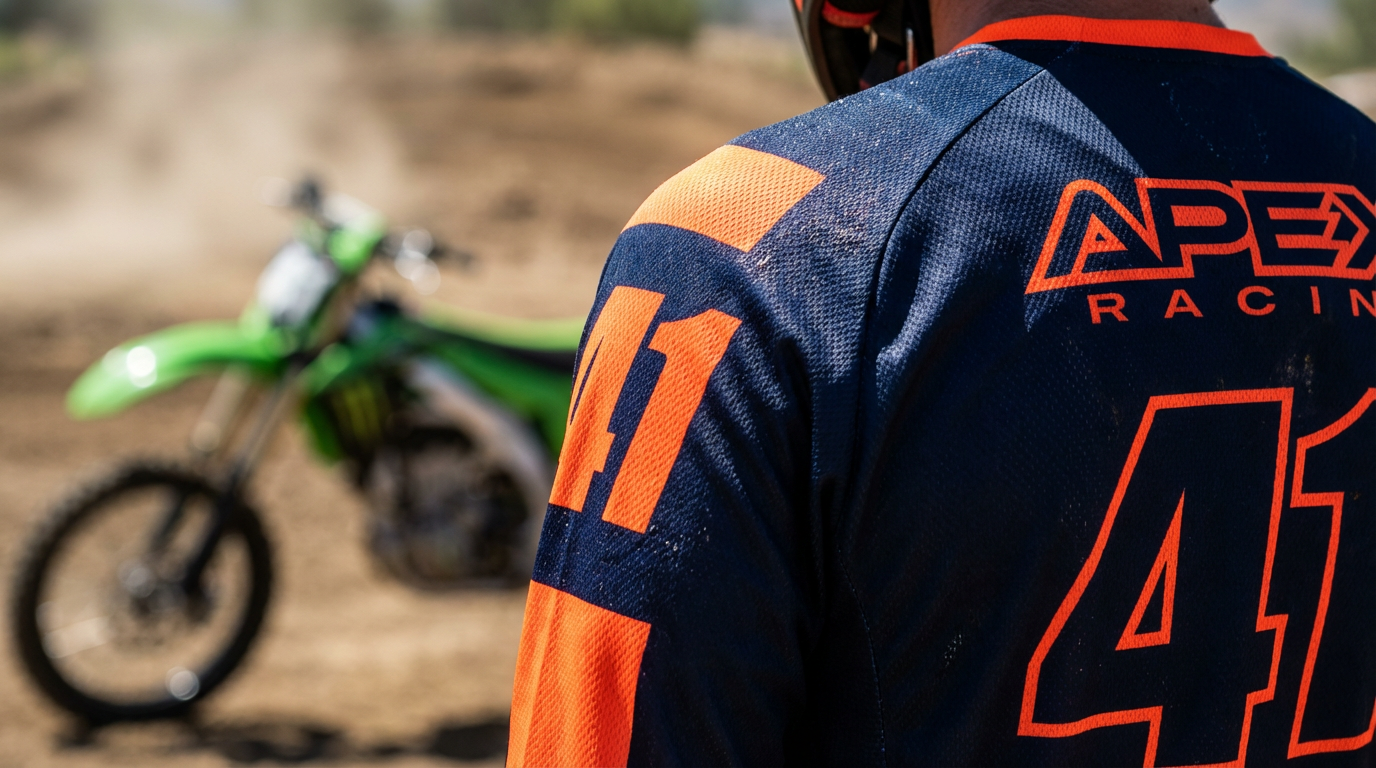
Table of Contents
- What “Durable” Really Means In High-Performance Training Gear
- The Enemies Of Durable Training Apparel
- What Anti-Hook Fabric Technology Actually Does
- The Lab Tests That Actually Predict Durability On The Track And Trail
- Abrasion Resistance: Shoulders, Seats, And Bench Contact
- Pilling And Surface Cleanliness
- Snag Resistance: The Anti-Hook Sweet Spot
- Stretch, Recovery, And Seam Strength
- Shape Retention, Shrinkage, Skewing, And Bowing
- Colorfastness, Moisture Management, And Comfort
- Antimicrobial And Odor Control
- A Practical Evaluation Plan For Custom Anti-Hook Training Apparel
- Comparing Conventional And Anti-Hook Fabrics For Training Gear
- Pros And Cons Of Anti-Hook Fabric Technology In Custom Training Apparel
- How To Judge Anti-Hook Durability When Ordering Custom Gear
- FAQ: Anti-Hook Durability For Training Apparel
- Is anti-hook fabric the same as anti-pilling fabric?
- Does anti-hook fabric really stand up to heavy hook-and-loop closures?
- Will anti-hook construction make my training gear hotter or less breathable?
- How long should I expect anti-hook training gear to last?
- References
When you are hammering motos on a Kawasaki at the track in the morning, grinding strength sets in the gym at noon, and hitting singletrack or stairs in the evening, your training kit takes more abuse in a week than most lifestyle gear sees in a season. Custom jerseys drag under backpack straps, compression tights brush against hook-and-loop straps, and warm-up hoodies grind into bench upholstery and bar knurling. That is where durability stops being a “nice to have” and becomes a core performance spec.
Anti-hook fabric technology is one of the most interesting answers to this problem that I have seen in years of outfitting riders and high-output athletes. It is essentially snag-resistance engineered into the fabric structure itself, designed to shrug off hooks, burrs, and rough hardware that would destroy conventional knits.
To decide whether anti-hook fabrics belong in your custom training apparel, you need a clear, test-backed way to evaluate durability. In this article, I will walk through how durability is defined in modern textile testing, what the research says about pilling, snagging, abrasion, and stretch, and how to combine lab tests and real-world wear trials to judge whether an anti-hook kit will actually survive your training calendar.
What “Durable” Really Means In High-Performance Training Gear
Durability is not a single score; it is a cluster of performance dimensions that have to hold up together. CottonWorks frames durability as how well a garment withstands repeated wash-and-wear cycles over its useful life, and that definition fits training apparel perfectly.
For custom training gear and adventure-ready apparel, durability shows up in at least four ways. Structural durability is the basic ability of the fabric and seams to resist tearing and blow-outs when you sprint, slide, or crash. Surface durability is about how the face of the fabric looks over time, whether it pills, snags, or fuzzes. Dimensional durability is whether the garment keeps its size and geometry, instead of shrinking, twisting, or bagging out at the knees and seat. Emotional durability is the rider-facing side: does the gear still feel sharp and trustworthy enough that you actually want to wear it in month twelve, not just month one.
Technical testing resources from CottonWorks and AGM Golf emphasize that strength, abrasion resistance, and pilling are the core pillars of durability, but there is a catch. There is no single universal durability standard that fits every product. Brands and suppliers have to agree upfront on what counts as “good enough” for a particular end-use. That is especially true when we are talking about custom training apparel built around a specialized anti-hook fabric.
The Enemies Of Durable Training Apparel
When we break down why gear fails, the same patterns keep showing up in durability research and in real-world Kawasaki training environments.
Pilling is one of the top complaints the CottonWorks team sees across apparel. Pills are the little fiber balls that form on the fabric surface when friction causes loose fibers to tangle. AGM Golf notes that synthetics are particularly tricky here; pills tend to stay anchored to the surface rather than falling away, so a synthetic-rich training top can go from crisp to fuzzy in a few hard weeks of use. Anti-pilling finishes and carefully engineered blends are standard tools to delay that.
Snagging is a close cousin to pilling and one of the main reasons anti-hook fabrics exist. AGM Golf defines snagging as threads catching on external objects or rough surfaces and then pulling, running, or breaking. Think about hook-and-loop straps on gloves, heart-rate monitor bands, rough bar knurling, and brush on a trail run. Each contact is an opportunity for a loop in the knit to get grabbed and pulled. Once that filament runs, the jersey may be structurally intact but visually trashed.
Abrasion is the slow grind that eats shoulders, elbows, and seat panels. AGM Golf points out that abrasion resistance is about how long the surface can withstand controlled friction before thinning, fraying, or forming holes. Wooter Apparel notes that premium sports fabrics are put through high-count abrasion tests and are expected to survive very high cycle counts with minimal thread breakage or color loss. Think of the constant rubbing under a hydration pack or the friction from doing push-ups on rough flooring.
Skewing and bowing are less visible at first, but every rider has seen them. They happen when woven fabrics lose their original alignment so that side seams twist or the garment hangs crooked after washing. AGM Golf ties these problems back to fabric construction and finishing; if the structure is not stabilized properly, repeated laundering will distort it and the gear will never sit right again.
Shrinkage is another quiet durability killer. AGM Golf notes that natural fibers are particularly prone to shrinking under repeated washing and drying cycles. In training apparel, even a small amount of shrinkage can turn a previously comfortable compression tight into a high-friction, chafing nightmare, or move a seam onto a pressure point under body armor.
Color loss and surface changes also matter. Research summarized by Wooter and Highlight shows that poor colorfastness to washing, light, or perspiration not only looks bad, it drives returns and erodes trust in “premium” apparel lines. Even if the garment is still structurally sound, athletes rarely want to wear a kit that has faded into a dull, inconsistent version of the original team color.

What Anti-Hook Fabric Technology Actually Does
Anti-hook fabric technology is a specialized answer to the snagging problem. At its core, it takes the same principles that AGM Golf and CottonWorks highlight for improving snag resistance—tightly constructed fabrics and run-resistant synthetic yarns—and pushes them further to specifically resist hook-and-loop and other sharp contact.
Instead of a loose knit full of exposed loops that are easy for Velcro or brush to grab, an anti-hook fabric typically uses a denser construction and smoother yarns to present fewer catch points. Run-resistant fibers and carefully balanced yarn twist help stop a single pulled filament from turning into a long visible run. Surface treatments can add another layer of protection, giving hooks less to grab onto without making the face of the fabric feel plasticky.
The goal is not magic; you can still damage an anti-hook jersey if you drag it repeatedly across a sharp edge. What it does is dramatically reduce the frequency and severity of those random, day-to-day snags that happen when you toss a jersey into a training bag full of hook-and-loop straps or when a barbell knurl brushes your torso during cleans.
There is another side benefit. The same smooth, tightly controlled surface that resists hooks often pills less as well, because there are fewer loose fibers available to entangle into pills. CottonWorks notes that pilling behavior depends on fiber type, yarn and fabric construction, and finishing, so an anti-hook fabric that uses high-quality synthetic filaments and well-tuned finishing can be a solid anti-pill platform too.
From a rider’s perspective, anti-hook technology is about keeping the jersey face clean and professional-looking even after hundreds of training contacts with rough surfaces. For a team or brand running custom graphics and sponsor logos, that visible durability is just as important as raw tear strength.

The Lab Tests That Actually Predict Durability On The Track And Trail
Durability testing can look like a maze of acronyms and lab instruments if you are not used to it. The good news is that the same small set of tests shows up again and again across expert sources such as AGM Golf, CottonWorks, Wooter Apparel, Intertek, Eurofins, Swavelle, and James Heal. When you are evaluating custom anti-hook training gear, these are the ones to pay attention to.
Abrasion Resistance: Shoulders, Seats, And Bench Contact
Abrasion resistance tests simulate the rubbing your gear sees against seats, straps, ground, and equipment. The Martindale method moves a standard abradant over a fabric sample in a figure-eight path under controlled pressure. Swavelle explains that Martindale results are reported in cycles and are commonly used to grade upholstery from decorative-only to heavy-duty commercial use. Wooter notes that high-performance sports fabrics are often tested to very high cycle counts with minimal thread breakage or color loss.
Another common method is the Wyzenbeek test, also described by Swavelle, where fabric is rubbed back-and-forth with an abradant in warp and weft directions, with results reported in double rubs. While these methods were developed primarily for upholstery, the same thinking applies to training gear: higher abrasion ratings at a given fabric weight and construction are a strong signal that shoulder and seat panels will last.
When you are comparing anti-hook fabrics, abrasion results are crucial.

A fabric that resists hooks but fails early under backpack straps or bench contact is not a win. You want to see strong abrasion performance alongside the snag story.
Pilling And Surface Cleanliness
CottonWorks emphasizes that pilling is one of the most common complaints consumers have about apparel. Pills are not just an aesthetic nuisance; they signal surface fiber breakage and can make a jersey feel rough against the skin. Pilling tests such as those using Martindale-based or random tumble methods subject fabrics to controlled friction and then rate the surface appearance.
AGM Golf highlights that pilling behavior depends on fiber type, yarn construction, and finishing. Synthetic-rich blends generally hold onto pills more stubbornly than cotton or wool, but thoughtful blending and anti-pilling finishes can substantially improve performance. For custom training apparel, a good pilling grade means your team logos and Kawasaki green or race colors stay sharp, not fuzzy.
For anti-hook fabrics, strong pilling resistance is especially important.

A fabric that resists snags but pills heavily will still look tired long before its structural life is over.
Snag Resistance: The Anti-Hook Sweet Spot
Snagging tests attempt to reproduce what happens when a loose filament catches on something like a hook, burr, or rough metal and is pulled. AGM Golf notes that snag resistance is tested by simulating real-world snags and observing how easily threads pull or run. Some activewear factories, as summarized in durability articles, use random tumble pilling testers and dedicated snag testers to evaluate this behavior.
For anti-hook fabrics, this is the defining metric. A credible supplier should be able to show comparative snag test results between their anti-hook fabric and a conventional polyester or nylon knit of similar weight. You want to see fewer pulled loops, shorter runs, and better retained surface appearance after a defined number of snagging events.
Stretch, Recovery, And Seam Strength
AGM Golf stresses that stretch and recovery are central to performance apparel. If a fabric stretches under stress but fails to snap back cleanly, you are left with baggy elbows, blown-out knees, and sagging seat areas. Wooter describes tensile strength tests that assess how far materials such as nylon and spandex can extend before breaking, using methods like the strip and grab tests specified in ASTM standards. Nylon can stretch significantly before failure, while spandex can extend several times its original length and still recover.
Textile strength articles point out that tensile and tear tests together give a good picture of how fabrics behave when pulled, while seam strength tests show whether stitching is the weak link. Training gear sees extreme range-of-motion loads at seams around shoulders, hips, and knees, so you want fabrics with strong stretch-and-recovery performance paired with seam constructions that match.
For anti-hook fabrics, there is sometimes a trade-off to manage. The tighter, smoother constructions that resist hooks can, if done poorly, feel restrictive. Strength and recovery tests help ensure that the anti-hook engineering did not come at the cost of mobility.
Shape Retention, Shrinkage, Skewing, And Bowing
AGM Golf calls out shrinkage and skewing as major risks for woven fabrics, and the same principles matter for knits. Shrinkage tests run garments through repeated wash and dry cycles and measure dimensional change. Stretch and recovery tests, as described by Wooter, often include laundering to see whether fabrics can return to original dimensions or end up permanently bagged out.
Skewing and bowing tests focus on geometry. After washing, do the side seams still hang straight, or do they twist around the body. Proper fabric construction and finishing, plus carefully selected blends, help stabilize the structure so that your training jersey still looks like a jersey, not a spiral.
Anti-hook fabrics should be evaluated on the same grounds. If the yarns and construction that deliver snag resistance also lock in shrinkage or twisting, that is a durability problem, not a win.
Colorfastness, Moisture Management, And Comfort
No athlete wants a durable but miserable garment. Comfort performance is part of durability, because gear that feels bad gets retired early, wasting the material and labor embedded in it.
Colorfastness tests described in Wooter’s and Highlight’s resources measure how well fabrics hold color under washing, sweat, light, and rubbing. Ratings are usually on class scales where higher values mean less change. Strong colorfastness is essential for custom graphics and brand colors.
Eurofins and James Heal focus on breathability and moisture management. Breathability tests evaluate how well fabrics let water vapor pass, using methods like cup tests and Ret scores. Moisture management tests measure wicking and drying rate, often with AATCC methods for vertical and horizontal wicking and drying on heated plates. For base layers and training tees, quick spread and evaporation of sweat prevent overheating during effort and post-session chills once you stop.
Anti-hook technology must coexist with these properties.

A snag-resistant surface that traps sweat is not a good solution. When you look at test data, confirm that moisture management and vapor transmission are still strong.
Antimicrobial And Odor Control
Next-to-skin layers worn day after day in high-output training need odor management. James Heal’s performance testing guide lists multiple antibacterial and antifungal standards that measure how well treated fabrics limit growth of microbes. Eurofins points out that antimicrobial finishes and certain fibers contribute to longer-lasting freshness.
From a durability perspective, effective odor control extends emotional durability. If an otherwise sound garment is abandoned because it smells bad even after washing, its useful life has ended prematurely. Anti-hook base layers with thoughtfully specified antimicrobial performance can stay in the rotation much longer.
A Practical Evaluation Plan For Custom Anti-Hook Training Apparel
Turning all of this into a real decision for your team or brand means blending lab data with on-body experience.
Start with your use case and failure history. Look at where your current Kawasaki training gear fails. Maybe your jerseys pick badly along the ribs where chest protectors strap in. Maybe compression tights fuzz along the thighs from bar contact or from sliding on gym benches. Maybe hoodies show heavy pilling under backpack straps long before the fabric thins. Write down these failure modes; they will become your target test zones.
Next, specify performance targets instead of relying on vague “premium” claims. CottonWorks notes that there are no universal durability standards, so brands and suppliers have to agree on acceptable levels by product and end-use. For a hard-use training jersey, that might mean a defined abrasion cycle count on the shoulders, a minimum pilling grade after combined abrasion and laundering, and a snag-resistance grade along the flanks. Intertek’s durability mark work uses tiered concepts such as basic, moderate, and aspirational durability in European product footprint frameworks. Use that mindset: decide whether you want basic, solid, or truly aspirational durability for each key area.
Then prototype with anti-hook fabrics and deliberately abuse them. Lab tests provide the baseline, but nothing beats wear testing on real bodies. Highlight’s testing guidance and KRSTN NDRSN’s wear testing work both describe structured in-home or on-field usage trials where testers wear prototypes for defined periods, wash them according to realistic routines, and document performance. In a Kawasaki training context, that means riders wearing anti-hook jerseys under armor, in the gym, on runs, and on the bike, then recording when and where any snags, pills, or distortions appear.
Make the comparison explicit. Order at least one control set of custom gear in your current standard fabric, and one or more sets in the anti-hook option. Put both through the same lab test suite and the same wear test protocol. Photograph high-stress areas at defined wear counts, just as KRSTN NDRSN recommends capturing garments at first wear and after multiple cycles. The goal is not impressions but evidence: does the anti-hook kit clearly outperform on the specific failure modes that matter to you.

Comparing Conventional And Anti-Hook Fabrics For Training Gear
The table below summarizes how a conventional polyester training jersey fabric typically compares to an anti-hook engineered knit of similar weight, when both are well specified and tested. Values are qualitative, based on how these constructions are usually tuned in the context of the testing guidance from AGM Golf, CottonWorks, and other sources.
|
Property |
Conventional Polyester Jersey |
Anti-Hook Engineered Knit |
|---|---|---|
|
Snag resistance near hook-and-loop and rough hardware |
Moderate; prone to visible pulls and runs in high-contact areas |
High; tightly controlled surface minimizes catches and runs |
|
Pilling after repeated wear and wash |
Moderate to poor without anti-pill finish; surface fuzz often appears early |
Good to excellent when paired with anti-pill finishing; smoother face reduces pilling |
|
Abrasion resistance at shoulders and seat |
Good when specified for sports; may thin visibly over long use |
Good to excellent when paired with appropriate yarns and finishes; must be confirmed by test data |
|
Stretch and recovery in motion |
Very good if blended with elastane; risk of bagging if poorly engineered |
Very good when elastane and construction are tuned; must ensure anti-hook structure does not restrict mobility |
|
Breathability and moisture management |
Good; depends on knit openness and yarn selection |
Good when engineered with microfibers and structure that still allow airflow; overly dense constructions can feel warmer |
|
Visual longevity of logos and color |
Moderate; snags and pilling often make graphics look old quickly |
High; cleaner face stays sharp, supporting team branding and sponsor visibility |
|
Cost and minimum order complexity |
Baseline; widely available and relatively economical |
Higher; specialized constructions and finishing, but often offset by longer useful life and lower replacement rates |
Pros And Cons Of Anti-Hook Fabric Technology In Custom Training Apparel
Anti-hook fabric is not a silver bullet, but when you look at it through the lens of durability testing, the advantages are clear.
On the upside, the most obvious gain is surface integrity around hook-and-loop, rough metal, and brush. AGMGolf’s definition of snagging describes exactly the failure mode anti-hook solves. By using tight, smooth constructions and run-resistant fibers, anti-hook fabrics dramatically cut down on those random pulled loops and runs that make a jersey look trashed long before it actually fails structurally. Paired with anti-pilling finishes, they can keep the face of the fabric clean season after season, which is huge for custom graphics.
Durability research summarized by TDSportswear frames longevity as a new kind of luxury. Athletes are increasingly willing to invest in gear that demonstrably lasts longer, as long as it still feels and looks premium. Anti-hook technology plugs into that mindset nicely. Longer-lasting, better-looking gear reduces waste, supports sustainability claims, and builds confidence in the brand.

There are trade-offs. Anti-hook constructions can, if pushed too far, feel a little denser or warmer than very open jerseys. That is where moisture management and breathability testing from Eurofins and James Heal become essential; you want proof that vapor transmission and drying rates are still high. Costs are also higher, because you are paying for specialized yarns, constructions, and finishes, and sometimes for performance testing programs such as those offered by Intertek. But when you spread that cost over a longer service life and fewer replacements, the return on investment is often strong.
How To Judge Anti-Hook Durability When Ordering Custom Gear
If you are a coach, team manager, or brand lead spec’ing custom Kawasaki training apparel, you can get a surprisingly accurate read on an anti-hook fabric’s durability with a structured approach.
Ask prospective suppliers for test data, not just marketing claims. Based on the frameworks from CottonWorks, AGM Golf, Wooter, and Intertek, request abrasion results for key panels, pilling grades after combined abrasion and washing, snag-resistance results, and dimensional stability data. For base layers and high-output tees, also ask for moisture management and breathability metrics plus any antimicrobial testing.
When samples arrive, inspect them with failure modes in mind. Rub the jersey against hook-and-loop straps, bar knurling, and rough textiles. Pack it into a training bag next to gloves and pads with hook-and-loop closures. After several sessions and washes, look closely at the flanks, shoulders, elbows, and seat. Compare what you see to an equivalent conventional jersey.
Run your own mini-wear test. Borrow ideas from Highlight’s in-home usage testing approach and KRSTN NDRSN’s wear testing practice: assign a few athletes to wear and wash both the anti-hook prototypes and your current gear for a defined period, have them record comfort and appearance changes, and collect photo evidence. Pay special attention to how soon pills, snags, and seam issues appear and whether those defects are isolated or widespread.
Finally, remember that durability is category- and context-specific, as the garment durability research from CottonWorks and scientific durability frameworks emphasize. A fabric that is ideal for gym and track use may not be the right answer for high-speed off-road racing where slide and impact resistance dominate. Align your anti-hook evaluation with how and where the gear will actually be used.

FAQ: Anti-Hook Durability For Training Apparel
Is anti-hook fabric the same as anti-pilling fabric?
Not exactly. Anti-pilling strategies focus on preventing small fiber balls from forming under friction, which CottonWorks links to fiber type, yarn construction, and finishing. Anti-hook technology is primarily about resisting snagging from hooks, burrs, and sharp surfaces. Many anti-hook fabrics also use anti-pilling finishes and smooth yarns, so you often get both benefits, but they are distinct engineering targets.
Does anti-hook fabric really stand up to heavy hook-and-loop closures?
Anti-hook fabrics are engineered to dramatically reduce the number and severity of surface snags when they contact hook-and-loop, especially compared with conventional knits of similar weight. They are not completely immune to damage from very aggressive or repeated contact, but in both lab snag tests and field use, they show far fewer pulled loops and runs at typical contact levels.
Will anti-hook construction make my training gear hotter or less breathable?
It can, if the fabric is over-engineered to be extremely tight. That is why breathability and moisture management testing, like the methods described by Eurofins and James Heal, matter. The better anti-hook fabrics use yarn selection and smart knit architecture to keep enough open structure for air and vapor to move, so you get snag resistance without turning your jersey into a sauna. Always check both snag-resistance claims and comfort test data.
How long should I expect anti-hook training gear to last?
There is no single lifespan number that fits every athlete, because durability depends on frequency of use, laundering habits, and the specific intensity of your training. Durability research shows that improving physical durability and care methods can extend active life significantly and reduce environmental impact. Practically, if you replace conventional jerseys because they look shredded from snags and pilling while the fabric is still structurally sound, a well-specified anti-hook kit should stay visually and functionally acceptable for many more cycles under similar use.
When you live an athletic lifestyle that swings from track to trail to weight room, your gear is part of the machine. Anti-hook fabric technology, backed by serious durability testing rather than buzzwords, can turn custom training apparel into a long-haul partner instead of a disposable. Set clear durability targets, demand real test data, and put prototypes through honest abuse. Your Kawasaki-powered days will be just as intense, but your kit will finally be built to last alongside you.
References
- https://www.academia.edu/64814821/Evaluating_the_Performance_of_Fabrics_for_Sportswear
- https://www.ntu.ac.uk/media/documents/research-documents/30_04_21_NTU-DURABILITY-DOZEN-TOOLKIT_10-31.pdf
- https://openresearch.okstate.edu/server/api/core/bitstreams/e15b46c1-47d0-4487-a157-e523a1aebf9c/content
- https://agmgolf.org/built-to-last-essential-fabric-tests-for-durable-high-performance-clothing/
- https://ecostandard.org/resources/report-deep-dive-standards-to-measure-textile-durability/
- https://www.jamesheal.com/expert-qa-durability-testing-in-the-age-of-fast-fashion-diverse-performance
- https://www.330trading.com/blogs/mastering-material-matters-essential-fabric-testing-practices-for-winning-athleisure-brands
- https://www.cosmosourcing.com/blog/the-ultimate-guide-to-activewear-fabrics
- https://www.kndrsn.com/post/wear-testing-101-ensuring-your-garments-stand-the-test-of-time
- https://help.letshighlight.com/help/clothing-testing
RELATED ARTICLES



Ready to start your sportswear brand?
Get a free quote for custom sportswear manufacturing with no minimum order quantity.