
Customizing Attractive Tangle‑Free Jerseys for Wheelchair Basketball Teams

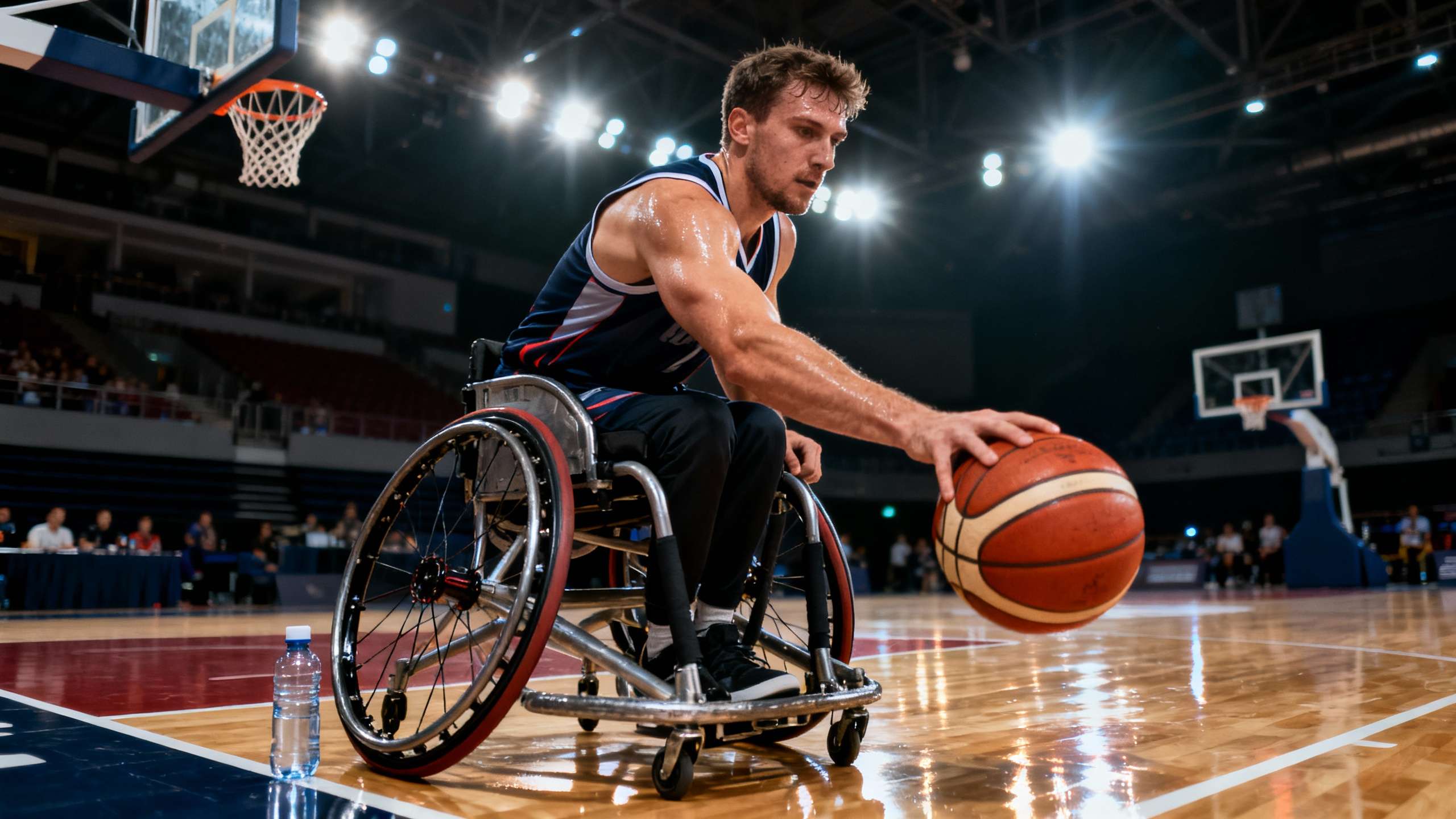
Table of Contents
- Why Traditional Jerseys Fail in a Wheelchair
- Pattern First: Designing a Tangle‑Free Seated Cut
- Fabric & Construction: Light, Tough, and Chair‑Compatible
- Colors, Contrast, and Branding That Pop From the Chair
- Customization Tech: Names, Numbers, and Logos Without Snags
- Mini Guide: Tangle‑Free Design Choices at a Glance
- Test Like a Performance Product, Not a Souvenir
- Key Takeaways for Wheelchair Basketball Jersey Projects
- References
TL;DR
- Standard “stand‑up” basketball jerseys create bulk, heat, and dangerous tangles in a chair.
- Start design from the seated position: shorter hems, angled patterns, and trimmed side volume.
- Use lightweight, breathable synthetics with smart mesh zones and low‑profile seams.
- High‑contrast, bold colors boost visibility and pride without cluttering the silhouette.
- Choose customization methods (names, numbers, logos) that flex, breathe, and don’t snag.
Why Traditional Jerseys Fail in a Wheelchair
If you put a classic varsity jersey on a wheelchair basketball athlete, you see the problem in seconds: fabric puddles in the lap, bunches under straps, and spills over push rims and casters. Adidas’ work with Adaptive Sports Northwest and the PNW Reign highlighted what many players have said for years—“stand‑up” cuts are simply not designed for seated performance.
That extra length and volume isn’t just annoying; it can slow pushes, trap heat, and even become a safety hazard if fabric gets pinched between wheels or tangled in strapping. For athletes maneuvering cambered wheels at speed and absorbing constant contact, a jersey has to behave more like precision equipment than fanwear.

Pattern First: Designing a Tangle‑Free Seated Cut
The biggest win you can give a wheelchair basketball team is not a louder graphic—it’s a smarter pattern. Industry‑first adaptive kits from Adidas flipped the script: they built the pattern around the seated body and then translated ideas back to stand‑up silhouettes, not the other way around.
Key pattern moves to keep jerseys tangle‑free:
- Shortened front hem Cut the front to sit just above the lap when seated so it clears belts, straps, and the front edge of the cushion. No more fabric “pools” for wheels to grab.
- Slightly dropped, extended back A slightly longer back panel stays tucked when the athlete leans and twists, without sagging into the chair. This keeps coverage and kills excess bulk at the hips.
- Angled (pitched) waist and side seams Following Adidas’ pitched waistbands concept, angle seams to mirror how the torso curves in a seated posture. You get cleaner lines around the beltline and fewer folds that catch on side guards or spoke guards.
- Trimmed armhole and side volume Armholes should allow full shooting range, but not flare. Reduce side panel fullness so nothing dangles into wheels on tight turns or during collisions.
What Most Guides Miss The chair is part of the “fit.” Have athletes test prototypes in full game setup—straps on, cambered wheels, gloves—because that’s when tangles show up.

Fabric & Construction: Light, Tough, and Chair‑Compatible
Wheelchair ball is a collision sport. Frames crash, wheels grind, and jerseys rub against metal and carbon fiber every possession. Your fabric and build must handle all that without turning into a heavy, sticky shell.
From performance research by Wooter Apparel and adaptive‑sports case studies:
- Go synthetic and stay light High‑quality polyester or polyester/nylon blends are the workhorses: durable, moisture‑wicking, fast‑drying, and color‑fast. Skip cotton; it holds sweat, gets heavy, and fades faster.
- Add stretch where the game needs it Blends with a touch of spandex in key zones let the jersey move with push strokes and strap pressure instead of pulling against them. Four‑way stretch panels under arms and across shoulders are especially useful.
- Mesh where heat builds, not where wheels grab Adidas placed full mesh panels across the back to dump heat while keeping woven fronts tough. That approach works: put mesh where the body vents (upper back, side ribs), but avoid loose, big‑hole mesh near lap and wheel contact zones.
- Low‑profile seams and trims Bulky seams rub against straps and side guards. Use flatlock or softened seams and avoid thick appliques or stiff piping around the waist, lap, and side panels.
- Reinforced high‑wear zones Just like sports wheelchairs use titanium or reinforced alloys to handle contact, jerseys need subtle reinforcement where belts and guards hit most—without adding stiff patches that snag.
Colors, Contrast, and Branding That Pop From the Chair
Wheelchair basketball is fast. Players, refs, and spectators rely on instant color recognition to read the floor. Research on color theory and contrast in team jerseys is clear: visibility is performance.
Use color with purpose:
- High‑contrast number and name layouts Jersey rules in basketball push for big numbers, and visibility studies recommend strong contrast (think deep navy on white, bright white on forest green). If your base is dark, go light on numbers and outlines—and vice versa. Avoid low‑contrast combos like red on black.
- Consider color‑blind athletes and fans Designers like Wooter Apparel advise against relying on red vs. green as your primary distinction; red‑green color blindness is common. Use neutrals or bold contrasting accents to separate roles and teams.
- Harness color psychology Research summarized by sports‑uniform studies shows warm tones like red and orange project intensity and aggression—great for high‑contact, high‑energy play. Blues can signal control and focus, greens a connection to nature and balance. Pick a palette that matches your team’s identity, then punch it with high‑contrast trim.
- Keep the graphic story clean As branding experts remind us, too many colors read as cluttered and “tacky.” One dominant color, one support color, and a neutral is usually plenty. On a seated athlete, a tight, bold chest logo and clean back numbers read better than busy, full‑body graphics.

Customization Tech: Names, Numbers, and Logos Without Snags
You can nail the pattern and fabric, then ruin it with heavy, rigid customization that doesn’t flex in the chair. That’s where smart decoration choices come in. Siser North America’s jersey tips and modern sublimation practices offer a clear playbook.
- Match decoration to fabric
- Stretchy jerseys (poly/spandex): use stretch HTV or inks that flex so numbers move with the torso instead of cracking or fighting against the chair.
- Slippery or nylon‑blend fabrics: use adhesives specifically tuned for nylon so graphics don’t peel where jerseys rub on side guards and straps.
- Avoid big, stiff “license plate” blocks Oversized vinyl rectangles across the lower back or lap become friction pads against the chair. Use contour‑cut names and numbers with minimal solid background, and keep them higher on the back where they float free of the frame.
- Combine methods for speed and comfort A proven workflow: screen print or sublimate the front team logo (same on every jersey), then use thin, stretch HTV for individualized names and numbers on the back. You get pro‑level graphics without stacking heavy layers over the lap or hip area.
- Control pressure and adhesion on mesh If you decorate mesh jerseys, use a pressing pillow or pad inside so adhesive doesn’t leak through and fuse front and back together. That tiny step keeps garments free‑moving and prevents stiff “plates” at the chest or back.
Mini Guide: Tangle‑Free Design Choices at a Glance
|
Design Element |
Seated Performance Goal |
Tangle‑Free Move |
|---|---|---|
|
Front hem length |
Clear lap and push rims |
Shorten to sit just above lap in chair |
|
Side seam shape |
Reduce bunching at hips |
Angle seams, trim excess volume |
|
Fabric choice |
Stay light, dry, and durable |
Use quality polyester with targeted mesh |
|
Custom graphics zone |
Keep clear of wheels and straps |
Place big art on upper chest and mid‑back |
Use this as your quick pre‑production check before you lock designs and molds.
Test Like a Performance Product, Not a Souvenir
Wheelchair basketball chairs are tuned like race bikes: cambered wheels, ultra‑light frames, and aggressive strapping. Jerseys should face the same scrutiny. Adidas’ adaptive kit program used ergometer tests to measure speed and athlete feedback to refine comfort, bulk, and heat. You can borrow that mindset without a lab.
Actionable testing steps for your next jersey drop:
- Run full scrimmage trials Ask athletes to play real minutes at game intensity in prototypes. Watch where fabric rides up, where it gets pinched under belts, or where it brushes spokes on tight cuts.
- Collect feedback from multiple positions Point guards, bigs, and developing players interact with their chairs differently. A cut that feels great for one role might snag for another. Tune patterns and lengths by position if needed.
- Inspect wear zones after a few weeks Like the way titanium and carbon chairs reveal stress at welds and joints, jerseys will show you truth at high‑friction zones. Check for abrasion where jerseys meet wheel guards, straps, and cushions—and adjust fabric choice or seam placement.
- Lock in a repeatable spec Once you dial in a tangle‑free pattern, resist the urge to reinvent it every season. Keep the cut consistent and rotate storytelling through colors, graphics, and trim. That’s how you build both performance trust and brand identity.

Key Takeaways for Wheelchair Basketball Jersey Projects
- Start from the chair: pattern around a seated body, not a standing mannequin.
- Minimize bulk at lap, hips, and sides to avoid tangles with wheels and straps.
- Use lightweight synthetics with smart mesh and low‑profile seams for all‑game comfort.
- Choose bold, high‑contrast colors and clean graphics that read clearly from the stands.
- Customize with flexible, low‑bulk methods and always test in full chair configuration before you go to full team production.
Dial in those pieces, and you’re not just making jerseys—you’re engineering high‑performance gear that lets wheelchair basketball athletes push harder, stay cooler, and play their game tangle‑free.
References
- https://www.iwbf.org/news/british-wheelchair-basketball-launches-new-brand-identity
- https://beyondsport.org/2024/05/03/adidas-debuts-industry-first-wheelchair-basketball-uniforms/
- https://moveunitedsport.org/app/uploads/2021/07/Wheelchair-Basketball_PRINT-1-1.pdf
- https://nwbamerch.com/
- https://www.coohom.com/article/light-color-jersey-design
- https://dislabled.com/collections/wheelchair-basketball
- https://luson.com/how-to-choose-custom-colors-for-your-brand-jersey-colors/
- https://morningstartshirts.com/the-basics-of-color-theory-for-sports-team-apparel/
- https://www.paralympicheritage.org.uk/blog/what-materials-do-sports-wheelchairs-use
- https://www.rollinginparadise.com/post/basketball-wheelchairs-key-features-every-player-should-know
RELATED ARTICLES



Ready to start your sportswear brand?
Get a free quote for custom sportswear manufacturing with no minimum order quantity.