
Choosing Sportswear Based on Fabric Breathability for Seasonal Comfort

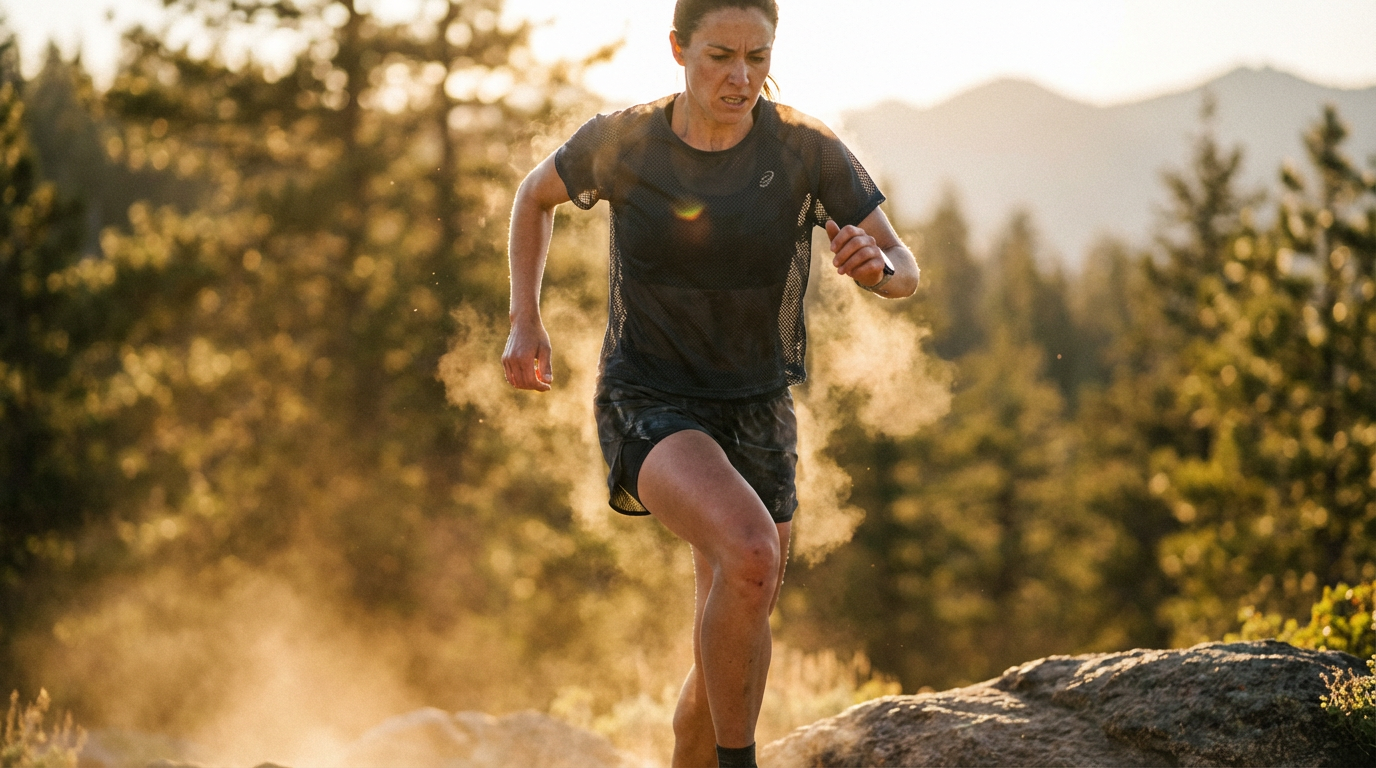
Table of Contents
- Why Breathability Is the Hidden Performance Spec
- How Breathable Fabrics Actually Work
- Airflow and Fabric Construction
- Moisture-Wicking vs Absorbent Fabrics
- Fit, Vents, and Mesh: Design Details That Matter
- The Major Fabric Players: How They Breathe, Wick, and Feel
- Cotton: Comfortable, Breathable, and Sweat-Hungry
- Polyester and Performance Mesh: Workhorse of High-Intensity Training
- Nylon: Smooth, Stretchy, and All-Season
- Merino Wool: The Temperature-Regulating Powerhouse
- Bamboo, Tencel, Modal, and Other Regenerated Fibers
- Linen, Rayon, Silk, and Cotton Blends: Casual Heat Masters
- Spandex and Compression Fabrics: Stretch First, Breathability Second
- Season-by-Season: Matching Breathability to the Weather
- Spring: Unstable Weather and Layer Flexibility
- Summer: Maximum Ventilation and Aggressive Sweat Management
- Fall: Transitional Comfort and Midweight Breathability
- Winter: Breathe First, Then Insulate
- Matching Breathability to Your Sport and Adventure
- Simple At-Home Tests and Care Habits to Keep Gear Breathing
- Short FAQ: Breathability and Seasonal Comfort
- Is breathable sportswear only important in summer?
- Can I ever train hard in cotton?
- How often should I replace breathable sportswear?
- Closing Thoughts
- References
When you are carving through twisty backroads, hammering intervals on a stadium stair set, or pushing a trail run at 9,000 ft, your engine is not the only thing generating heat. Your body is, too. As a Kawasaki performance specialist and outdoor adventure addict, I have tested gear in blistering desert sun, humid summer city streets, and freezing pre-dawn rides. The single thread that separates “this feels amazing” from “get me out of this sauna suit” is breathability.
Breathable sportswear is not just about feeling a light breeze through your shirt. It is about how the fabric manages air and moisture so your body can regulate temperature efficiently. Research from suppliers, outdoor brands, and fabric labs consistently shows that the wrong fabric can trap heat and sweat, spike your heart rate, and cut workouts short, while the right fabric can feel like a second skin you forget you are wearing.
This guide breaks down how breathability works, how different fabrics behave, and how to choose the right gear for each season so you stay cool, dry, and in control all year long.
Why Breathability Is the Hidden Performance Spec
Breathable fabrics allow air and moisture vapor to pass through rather than trapping them against your skin. Leeline’s analysis of breathable fabrics points out that this combination of airflow and moisture transport is central to comfort in sportswear, outdoor gear, uniforms, and even medical textiles. When you are active, that comfort becomes performance.
Several sources, including REI’s expert fabric guide and multiple activewear brands, agree on the same core benefits of breathable gear. First, it reduces heat buildup by allowing warm air to escape. Second, it lets sweat evaporate instead of pooling, so you stay drier. Third, it minimizes the chafing and irritation that come from wet, clingy fabric rubbing over and over in the same spot. And finally, it helps control odor when breathability is paired with the right fibers, such as merino wool or bamboo.
A fabric supplier cited by Bailitex shared lab data that really drives this home. Two nearly identical pairs of leggings were tested for air permeability. Brand A measured about 38.5 cubic feet per minute (CFM) of airflow, while Brand B hit roughly 21.6 CFM. That is about a 78 percent advantage for Brand A. Wear-testers reported feeling noticeably drier and fresher after workouts in the more breathable leggings, and they gravitated toward that pair over and over. Breathability literally drove repeat use and positive reviews.
Across multiple consumer studies referenced in Bailitex’s brief, more than sixty percent of fitness consumers say they actively look for sweat-wicking, odor-resistant clothing similar to what top performance brands use. Breathability is not a “nice-to-have” anymore. It is an expectation.
How Breathable Fabrics Actually Work
Airflow and Fabric Construction
Breathability starts with construction. REI’s guide explains that looser weaves and open knits create more space for air to move, while tighter weaves reduce airflow. Thinner fabrics with finer yarns also tend to breathe better than dense, heavy ones.
You do not need a lab to test this. Both REI and Core Culture suggest a simple home check: hold the fabric up to a bright light and see how much light passes through. The more light you see, the more potential airflow you get. When I am evaluating jerseys or base layers for hot track days, I do this instinctively. A lightweight polyester mesh back panel that glows with light will breathe far better under a chest and back protector than a dense cotton tee that barely lets any light through.
Performance brands and mills use more technical measurements like air permeability tests and standards such as ASTM D737, but the principle is the same. A more open, thoughtful construction gives hot air and humidity somewhere to go.

Moisture-Wicking vs Absorbent Fabrics
Breathability is only half the equation. Moisture management is the other.
Core Culture, Gazelle Sports, Cosmo Sourcing, and REI all emphasize the distinction:
Breathable fabrics let air move through. Moisture-wicking fabrics pull sweat off your skin to the outer surface so it can evaporate quickly.
Natural fibers like cotton, linen, and rayon are typically very absorbent. UGAwear notes that cotton can hold roughly twenty-five to twenty-seven times its own weight in water. That explains why a classic cotton tee feels so soft and breathable at first, but turns into a heavy, soggy blanket when you sweat hard. It absorbs and holds moisture instead of moving it away rapidly.
Synthetic fibers like polyester and nylon behave differently. Anatolico’s guide explains that modern performance polyester is hydrophobic: it absorbs less than about one percent of its own weight in water. Sweat travels along the fiber surface and spreads out, where it evaporates quickly. Nylon behaves similarly but can absorb a bit more moisture than polyester. This is why polyester and nylon dominate intense sportswear even though everyday fashion blogs sometimes warn that generic synthetics feel hot in plain summer clothing.

Merino wool takes a hybrid approach. Silver Sea and Leeline highlight that fine merino fibers absorb moisture vapor and then release it gradually, regulating temperature and resisting odor. You get insulation when it is cold and cooling when activity ramps up, with less stink buildup than many synthetics.
The key takeaway is simple. For low-sweat, relaxed days, absorbent breathables like cotton or linen can feel great. For high-sweat training, you want moisture-wicking fibers and constructions that use airflow as a cooling system, not just as a breeze.
Fit, Vents, and Mesh: Design Details That Matter
Breathability is not just about fiber. It is also about how the garment fits and where the designer places vents and mesh.
REI emphasizes that if you plan to be active, moisture-wicking gear needs to touch your skin. A completely loose, billowy shirt might let air in, but it cannot pull sweat off your body efficiently. On the other hand, if gear is painted on so tight that it constricts movement or cuts off micro air channels, you will cook and chafe. The sweet spot is a close, comfortable fit that makes contact without turning into a tourniquet.

Multiple sources, including Clifton Clothing’s guide to sports fabrics, point out the role of mesh panels and vents. Strategically placed mesh under the arms, along the spine, or behind the knees opens up the highest heat zones without sacrificing protection or coverage elsewhere. As someone who spends a lot of time in armored jackets and pants, I rely on this. A jacket with zippered vents and mesh panels over the chest and back can feel completely different from a sealed shell, even if both are nominally “breathable.”
Fit also matters for specific needs. June Adaptive’s work on heat-sensitive and disabled users shows that looser, non-constricting garments can prevent overheating and pressure points, especially for people who sit for long periods, such as wheelchair users. For them, combining breathable fabrics with adaptive construction is not just about comfort, but independence.
The Major Fabric Players: How They Breathe, Wick, and Feel
To choose the right gear, it helps to understand how the main fabrics behave. Here is a high-level comparison drawn from REI, Cosmo Sourcing, Gazelle Sports, Silver Sea, Leeline, and other technical guides.
|
Fabric |
Breathability profile |
Moisture behavior |
Best seasonal use |
Key drawback |
|---|---|---|---|---|
|
Cotton |
Naturally breathable, soft |
Highly absorbent, slow drying |
Casual summer wear, low-sweat activities |
Gets heavy, stays damp in high sweat or humidity |
|
Polyester |
Breathable in performance knits, variable |
Strong moisture-wicking, quick dry |
High-intensity training all seasons |
Can trap heat in cheap weaves, tends to retain odor |
|
Nylon |
Smooth, breathable with stretch |
Wicks well, quick drying |
Leggings, bras, all-weather workouts |
Can feel warm, may pill, can absorb odors |
|
Merino wool |
Highly breathable, temperature-regulating |
Wicks and manages vapor, odor-resistant |
Cool mornings, cold seasons, multi-day use |
Expensive, needs gentle care, less durable than synthetics |
|
Bamboo / Tencel |
Soft, breathable, often very moisture-smart |
Wicks and absorbs efficiently |
Hot weather, sensitive skin, athleisure |
Costly, sometimes less durable, needs careful laundering |
|
Linen |
Extremely breathable, airy |
Absorbs well, dries relatively fast |
Very hot, dry or humid everyday wear |
Wrinkles easily, not ideal for heavy-sweat workouts |
|
Rayon / Modal |
Light, moderately breathable, fluid drape |
Absorbent, moderate wicking |
Casual hot-weather wear, light workouts |
Can wrinkle, may need delicate care, weaker when wet |
|
Spandex (Lycra) |
Low breathability on its own |
Not wicking alone, dries fast in blends |
Compression, stretch panels, support |
Traps heat at high percentages, can degrade over time |
|
Polypropylene |
Breathable base fabric, very water-resistant |
Excellent wicking, resists wetting |
Wet or extreme conditions, base/outerwear |
Not as soft, typically used in specific performance niches |
From there, each fabric has its personality.
Cotton: Comfortable, Breathable, and Sweat-Hungry
Cotton is the king of everyday clothing for a reason. Multiple sources, including REI, FCDryCleaners, and UGAwear, describe it as soft, durable, and naturally breathable. It lets air move through and absorbs perspiration, which can feel pleasantly cooling in moderate dry heat. Supima and organic cotton variants bring extra softness and durability.
The downside is performance. Cotton absorbs a lot of moisture and dries slowly. UGAwear notes that cotton can retain roughly twenty-five to twenty-seven times its own weight in water. FCDryCleaners and Marathon Sportswear both explain that in hot, humid weather or intense workouts, cotton T-shirts quickly become heavy, sticky, and clingy, trapping heat and aggravating chafing. A Dollywood park tip even warns guests to skip cotton tees on hot days and wear performance fabrics instead because cotton stays soaked and uncomfortable all day.
In my own testing, a cotton tee under a riding jacket on a ninety-degree day feels fine for ten minutes, then turns into a wet rag pressed against your skin. For yoga, walking, or lounging at camp on a warm evening, cotton can be awesome. For HIIT, hill repeats, or aggressive off-road riding, it is a liability unless it is part of a smart blend.

Polyester and Performance Mesh: Workhorse of High-Intensity Training
Cosmo Sourcing, Gazelle Sports, Clifton Clothing, and Wooter all agree: polyester is the backbone of modern technical sportswear. It is a lightweight, petroleum-based synthetic fiber that is durable, wrinkle-resistant, and highly adaptable. Tech polyester and mesh versions are engineered to wick moisture aggressively and dry quickly.
Clifton Clothing describes drifit-style polyester knits and performance mesh as ideal for intense training and running, pulling sweat off skin and staying light. Bailitex’s data on polyester mesh shows high porosity and fast dry times in very lightweight constructions, which matches what I feel on fast trail runs and sprint sessions. Even when a polyester top is visibly dark with sweat, it often feels dry to the touch again within minutes once you ease up or hit a breeze.
There are trade-offs. REI and Cosmo Sourcing note that polyester is generally less soft than cotton, and several sources point out that it tends to retain odor because sweat and bacteria cling to the fibers. Everyday hot-weather style guides also warn that basic fashion polyester can feel clammy and hot because it is not engineered with the same open weaves and wicking channels as performance fabrics.
If you choose polyester for summer workouts, go for lighter colors, mesh or open-knit fabrics, and pieces clearly labeled as moisture-wicking or technical. For high-intensity rides, runs, or gym sessions, polyester is still my go-to core layer because of how efficiently it moves moisture.
Nylon: Smooth, Stretchy, and All-Season
Originally developed as a silk alternative, nylon has become a staple in leggings, compression pieces, and multi-sport gear. Cosmo Sourcing and Gazelle Sports both highlight nylon’s silky feel, excellent stretch, durability, and quick drying. MidwestWorld and Leeline reinforce that it is breathable, wicks sweat, and is mildew-resistant, which is why you see it in windbreakers, track pants, and gymwear.
Nylon blends, especially nylon-spandex combinations, excel when you need full range of motion. Tight, supportive running tights that still breathe and dry fast are usually heavy on nylon. Gazelle Sports even calls nylon a best-of-all-worlds fabric because it combines cotton-like breathability with polyester-like wicking and spandex-like stretch.
Like polyester, nylon can absorb odors and get warm if the weave is very dense or if you are wearing a high-percentage, very tight garment in hot weather. I find nylon leggings or base layers are ideal for shoulder seasons and winter layering. For peak summer, I want more mesh or lighter fabrics on top and often reserve nylon for lower-body coverage where durability and stretch matter most.
Merino Wool: The Temperature-Regulating Powerhouse
If you still think “wool” means scratchy sweaters, modern merino will surprise you. REI, Silver Sea Apparel, Cosmo Sourcing, and Leeline all describe merino wool as lightweight, soft, highly breathable, moisture-wicking, and naturally odor-resistant. It can absorb moisture vapor before it becomes liquid sweat, then release it slowly, which regulates temperature in both heat and cold.
Merino’s big advantage is versatility. Silver Sea recommends it for socks, base layers, and breathable exercise clothes, including warm-weather use. Gazelle Sports notes that merino layers can keep you comfortable and dry even in summer because they help your body maintain a steady temperature rather than trapping heat or drafty cold spots.
The trade-offs are cost and durability. Merino is one of the more expensive activewear fibers and generally requires gentler washing. It is also less abrasion-resistant than hard-wearing synthetics, so you will want to reserve it for layers that are not constantly scraping against rough surfaces. For multi-day trail rides, backpacking, or long road trips where laundry is scarce, merino’s odor resistance is almost magic. I have worn the same merino base top under armored gear for several cooler-day sessions without clearing the room afterward.

Bamboo, Tencel, Modal, and Other Regenerated Fibers
Regenerated cellulose fibers like Tencel Lyocell, Modal, and bamboo-based textiles sit in an interesting space between naturals and synthetics. Silver Sea positions Tencel Lyocell as one of the top breathable fabrics: soft, stretchy, plastic-free, and strongly moisture-wicking. UGAwear and other sources describe lyocell as extremely breathable, lightweight, and able to absorb significantly more moisture than cotton or wool, while regulating temperature well.
Bamboo-based fabrics are praised by multiple sources including Core Culture, Gazelle Sports, UGAwear, and Leeline for their softness, breathability, moisture-wicking, antibacterial properties, and UV protection. Bamboo garments can feel cool to the touch and are often recommended for sensitive skin and outdoor heat. UGAwear notes that bamboo plants themselves are highly efficient at sequestering carbon and releasing oxygen, and several sources highlight bamboo’s rapid growth and relatively low pesticide requirements.
These fibers are popular in eco-conscious performance gear, yoga wear, and athleisure, and they work well in hot weather when you need both cooling and comfort. Drawbacks include higher cost than mainstream synthetics and, in some cases, less long-term durability.

They also frequently require gentle washing and low heat drying to preserve the fibers.
Linen, Rayon, Silk, and Cotton Blends: Casual Heat Masters
Linen, derived from flax, gets glowing reviews in hot-weather guides from FCDryCleaners, Sophias Style, and Anatolico. With its open weave and hollow fibers, linen allows excellent airflow, absorbs sweat, and dries relatively quickly. It shines in extreme heat and humidity for everyday shirts, pants, and casual wear. The big downside is wrinkling, which many brands now embrace as part of linen’s relaxed look, and like cotton, it is not the best choice when you will be dripping sweat for hours.
Rayon and viscose-based fabrics, including some bamboo viscose and Modal, have a silky hand, good breathability, and light drape. FCDryCleaners and REI note that they dry quickly but do not wick as well as performance polyester or nylon and can lose shape or strength when wet if not cared for properly.
Silk is ultra-light, smooth, and breathable, and it can absorb a substantial amount of moisture without feeling wet, as Bailitex points out. However, it shows sweat stains, retains odor, and typically needs delicate care. It is best for light, dressy pieces rather than grind-it-out training gear.
Cotton blends, particularly cotton-poly or cotton-spandex blends, are often used to balance softness and breathability with stretch and faster drying. Wooter and MidwestWorld note that blends such as sixty-forty cotton-poly provide better moisture management and durability for team uniforms and casual sportswear compared with pure cotton while remaining more skin-friendly than pure synthetics.
Spandex and Compression Fabrics: Stretch First, Breathability Second
Spandex, also called Lycra or elastane, is the superhero of stretch. Cosmo Sourcing emphasizes that it can stretch up to about five times its original length and snap back, which is why it is essential in compression wear, sports bras, and fitted leggings. Gazelle Sports and MidwestWorld echo that spandex-based gear is crucial for movements requiring a huge range of motion like squats, yoga flows, and aggressive body positioning on a motorcycle.
But spandex is not breathable on its own, and it is not moisture-wicking without help. Cosmo Sourcing and 330 Trading both point out that spandex can trap heat if used in high percentages and that it is usually blended with other fibers to get the right balance of support and comfort. Compression pieces are best used strategically: for muscle support and recovery, layered under or combined with breathable outer gear.
Season-by-Season: Matching Breathability to the Weather
Wearing the same outfit in July and January is like putting the same tire on your track bike and your snow machine. Seasonal strategy matters. A seasonal guide from a technical sportswear resource lays out a smart framework that aligns well with outdoor brands and my own testing.
Spring: Unstable Weather and Layer Flexibility
Spring can give you forty-degree mornings and seventy-degree afternoons on the same ride. The goal is flexibility. A breathable, moisture-wicking base layer in a light polyester mesh or bamboo blend works well against the skin, managing sweat as temps climb. Over that, a thin, breathable midlayer—such as a nylon or lightweight tech polyester hoodie—adds just enough warmth for cool starts.
Since spring weather is fickle, it is worth having a windproof but breathable shell you can pack.

Think of a nylon or polyester jacket with venting and mesh lining rather than a fully sealed rain shell. You want to block windchill on descents or open stretches, but still let sweat escape when you are grinding uphill or maneuvering through technical sections.
Summer: Maximum Ventilation and Aggressive Sweat Management
Summer is where fabric choice can make or break your day. Anatolico and multiple hot-weather guides recommend natural, airy fabrics like linen and light cotton for everyday movement in extreme heat. For training and high-output adventure, high-performance synthetics and advanced natural fibers take over.
The seasonal sportswear guide recommends ultra-light tops with maximum ventilation in summer: mesh panels, perforations, and lighter colors that reflect sunlight. Polyester or nylon blends engineered for moisture-wicking and quick drying are preferred to keep garments from getting soggy. Core Culture and Twenty One Run both emphasize that breathable, moisture-wicking shirts, shorts, and bras are crucial for running, cycling, and gym work in the heat, while cotton should be avoided because it holds sweat, dries slowly, and increases chafing.
In my testing, a mesh-back polyester or poly-nylon jersey under ventilated protective gear keeps me cooler and safer than a heavy cotton tee, even when the synthetic fabric does not feel as “natural” off the bike. If I am just walking a boardwalk or hanging around a campsite on a ninety-degree day, linen or a bamboo-blend tee feels fantastic. The activity drives the choice.
Fall: Transitional Comfort and Midweight Breathability
Fall is about balancing residual warmth with creeping chill. The seasonal guide suggests midweight poly blends with brushed interiors for warmth plus airflow. Think soft, lightly brushed training tops or jerseys that still wick but feel a little cozier than thin summer mesh.
Nylon and poly-cotton blends work well for tights, joggers, and midlayers, especially when combined with mesh zones or vented back panels. This is also an ideal season to lean on merino wool. A lightweight merino base layer paired with a breathable outer piece provides both warmth at rest and moisture management when you push the pace.
Winter: Breathe First, Then Insulate
In winter, the temptation is to go straight to heavy, non-breathable layers that feel warm when you first step outside. That is the fastest way to end up sweaty and then chilled to the bone. The seasonal sportswear guide, as well as REI and Leeline, recommend a layered system built around breathable fabrics.
Next to skin, use a moisture-wicking base layer: polyester or nylon blends, merino wool, or merino-synthetic blends. These pull sweat away and keep it from freezing against your body. Over that, add insulating but breathable midlayers such as fleece, merino, or insulated synthetics. On the outside, use a windproof and, if needed, waterproof shell that is still breathable. Fabrics like technical poly shells, certain microporous membranes, or Gore-Tex-style laminates let water vapor escape while blocking wind and rain.
For winter running, cold-weather riding, or snow sports, this system lets you stay warm without overheating. I have ridden all day in near-freezing temperatures with a merino base, light fleece mid, and vented shell.

As long as I can open vents or zippers when I am working hard, the system keeps me dry and focused.
Matching Breathability to Your Sport and Adventure
Once you understand fabric behavior and seasonal needs, it is time to dial in by sport.
For high-intensity training such as running, interval cycling, HIIT, and competitive team sports, Wooter and Gazelle Sports both recommend polyester- or nylon-based fabrics with strong wicking and four-way stretch, often with five to fifteen percent spandex for mobility. Mesh panels and vented backs are especially valuable in these activities where sweat rates are high and airflow can fluctuate.
For lower-intensity movement like yoga, pilates, lighter gym sessions, and casual commuting, soft natural or regenerated fibers shine. Core Culture and Cosmo Sourcing highlight cotton, bamboo, and Tencel for comfort, with spandex blends for stretch. You still want breathability and some moisture-wicking, but you are less likely to saturate the fabric completely.
Outdoor endurance adventures such as hiking, backpacking, and multi-day rides benefit from merino wool and merino-synthetic blends. Silver Sea, Leeline, and several performance brands point to merino’s temperature regulation and odor resistance as ideal for trips where you may not change layers daily. Pair merino base layers with durable synthetic outer layers for abrasion resistance and protection.
For motorsports and high-speed outdoor sports, your outer shell is often fixed by safety requirements: abrasion-resistant textiles, armor, or hard shells. In that context, breathable base and midlayers become critical. I prioritize mesh-backed polyester or nylon tops, moisture-wicking leggings or tights, and, in cooler weather, thin merino bases. Under-body compression pieces can provide support, but I make sure the outermost layer touching the armor is breathable and sweat-managing.
For athleisure and everyday wear in hot climates, linen, cotton, bamboo, and lyocell blends provide that easy, airy feel with enough breathability to keep you from overheating. Sophias Style and Anatolico recommend light colors and looser silhouettes to increase airflow and reduce sun absorption.
Simple At-Home Tests and Care Habits to Keep Gear Breathing
You do not need a lab coat to evaluate and maintain breathable sportswear.
First, test breathability the quick way. As REI and Core Culture suggest, hold the fabric up to a bright light and look at how much light passes through. The more light, the more open the weave and—usually—the better the airflow. Bend the fabric, simulate stretching, and check again. Some knits open up dramatically when stretched, improving breathability in motion.
Second, read the label for fiber content and whether the garment is described as moisture-wicking, quick-drying, or breathable. Marketing language can be vague, but when multiple credible sources from brands like Gazelle Sports to Clifton Clothing use the same technical terms, it is usually backed by specific fabric choices.
Finally, care is a performance feature. Core Culture, the seasonal sportswear guide, and Twenty One Run all stress similar rules. Wash technical gear in cold water with mild detergent. Avoid fabric softeners, which coat fibers, clog pores, and dramatically reduce both wicking and breathability. Hang dry or use low heat in the dryer; high heat can damage synthetic fibers, weaken elasticity, and degrade moisture management. Wash soon after intense sessions to keep bacteria from bonding to fibers and causing long-term odor.
I have seen high-end jerseys and base layers effectively “retired” after a few months just because they were repeatedly washed hot with softeners. The fabric looks intact, but the performance is gone. Treat your gear like a piece of the machine, not an afterthought.
Short FAQ: Breathability and Seasonal Comfort
Is breathable sportswear only important in summer?
No. Summer is where bad fabric choices hurt the most, but breathable, moisture-managing layers are crucial in every season. In cold conditions, you still sweat when you push hard. Merino wool and wicking synthetics help move that sweat away so it does not chill you when you stop or descend. Breathability in outer shells keeps you from stewing in your own steam.
Can I ever train hard in cotton?
For truly hard, extended workouts or races, pure cotton is usually a bad idea because it absorbs sweat and dries slowly. That said, for short, moderate-intensity sessions in dry heat, some athletes deliberately use cotton and even soak it with water to take advantage of evaporative cooling, as REI notes. Cotton blends that include polyester or other wicking fibers can also bridge the gap for moderate-intensity activity.
How often should I replace breathable sportswear?
The seasonal and running-specific guides suggest that frequently used technical gear such as sports bras and leggings may need replacement every six to twelve months, depending on use and care. Signs it is time to upgrade include fabric that stays damp longer, loss of stretch, thinning areas, and odors that do not wash out. When the gear stops moving moisture and air the way it did on day one, your comfort and performance will suffer.
Closing Thoughts
Breathability is not a buzzword; it is a performance spec as real as horsepower or suspension travel. The right fabric and construction allow your body to do what it is built to do: self-regulate, push hard, and recover fast. Whether you are attacking a summer track day, stacking winter base miles, or just living an athletic lifestyle off the bike, choose fabrics that let you breathe, wick sweat efficiently, and match your season and sport.
Dial that in, and your sportswear stops being something you think about and becomes part of the machine that keeps you moving.
References
- https://marathonsportswear.net/breathable-fabrics-for-summertime/
- https://www.330trading.com/blogs/how-to-choose-between-breathable-and-compression-sportswear
- https://andrewskurka.com/breathability-its-importance-mechanisms-and-limitations/
- https://www.cosmosourcing.com/blog/the-ultimate-guide-to-activewear-fabrics
- https://smart.dhgate.com/durable-and-comfortable-guide-to-the-best-breathable-fabric-for-all-uses/
- https://www.leelinework.com/breathable-fabrics/
- https://midwestworld.com/what-fabric-is-best-for-sportswear-a-simple-guide/
- https://www.moodfabrics.com/applications/athleticwear-fabrics
- https://www.twentyonerun.com/blogs/breathable-and-chic-the-best-fabrics-for-womens-running-clothes
- https://ugawear.com/most-breathable-fabric/
RELATED ARTICLES

Ready to start your sportswear brand?
Get a free quote for custom sportswear manufacturing with no minimum order quantity.