
Enhancing Activewear Aesthetics with Asymmetrical Cuts and Patterns

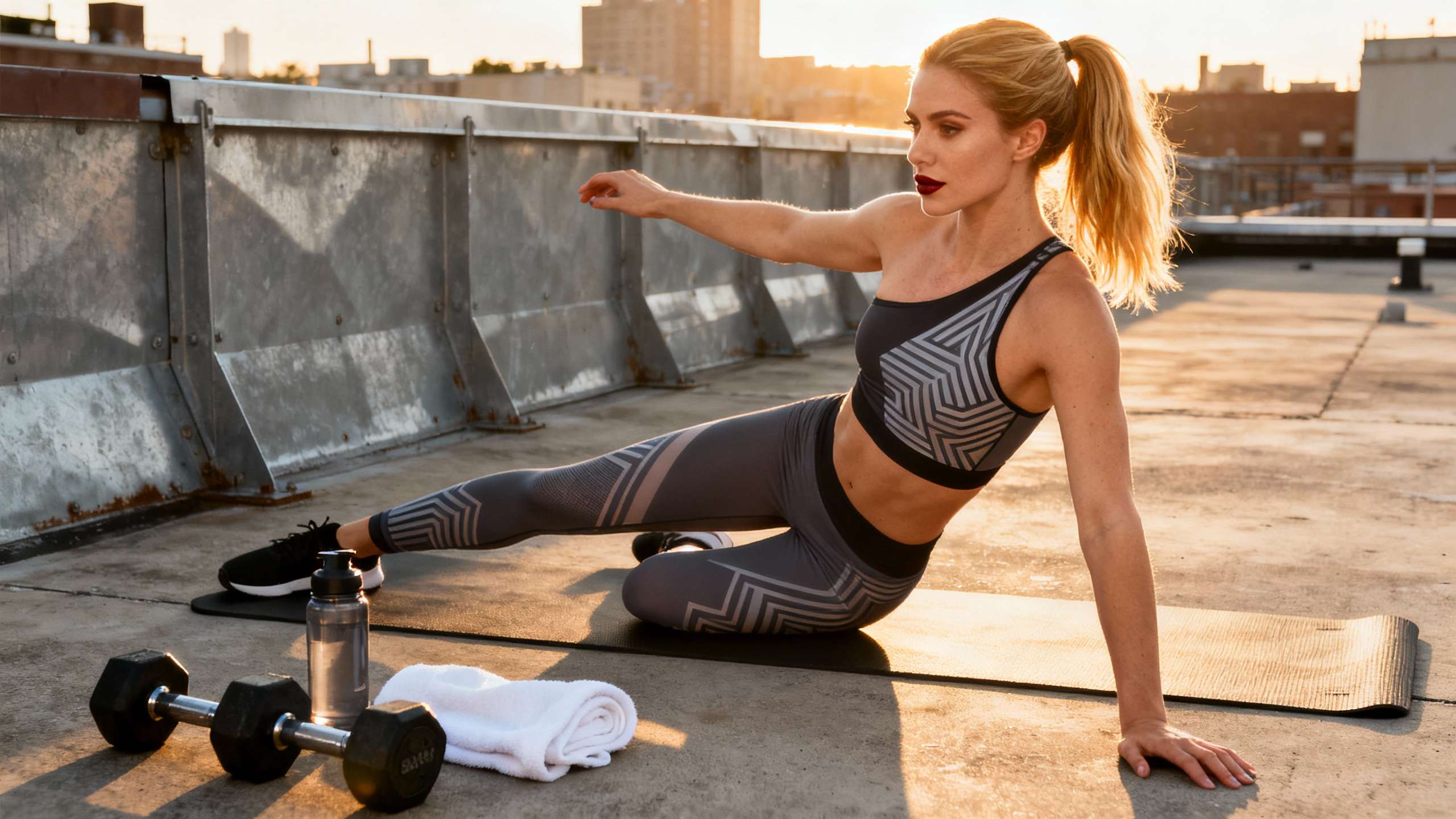
Table of Contents
- From Straight Lines to Diagonals: What Asymmetry Really Means in Activewear
- The Psychological Power of Asymmetrical Gear
- Engineering Asymmetry: Pattern, Fabric, and Construction
- Pattern-Making Precision for Asymmetrical Cuts
- Fabric Choices that Support Bold Lines
- Construction, Seams, and Threads for Asymmetrical Stress
- Asymmetrical Features That Actually Perform
- Diagonal Lines and Color Blocking
- One-Sleeve Compression Shirts
- One-Shoulder Sports Bras
- Single-Leg Tights and Asymmetric Bottoms
- Sport-Specific Playbooks for Asymmetrical Activewear
- Team and Court Sports
- Running, Trail, and Outdoor Adventure
- Gym, Studio, and Everyday Athleisure
- Symmetry vs Asymmetry: A Quick Comparison
- Practical Guidance for Athletes, Designers, and Creators
- FAQ: Making Asymmetry Work for You
- Are asymmetrical activewear designs only for pros and influencers?
- Do asymmetrical cuts always hurt support and performance?
- How do I know if an asymmetrical piece fits correctly?
- References
When you push hard on the trail, drop into a deep squat set, or step onto a court under bright lights, your gear should do two things at once: disappear on your body and amplify your presence. That tension between pure function and bold identity is exactly where asymmetrical cuts and patterns shine in modern activewear.
From single-sleeve compression tops to diagonal color-blocked leggings, asymmetry has moved from avant-garde runways into the heart of performance sportswear. As someone who lives in high-output gear on bikes, trails, and weight-room floors, I have seen how the right asymmetrical details can change how athletes move, how they feel, and how they are seen.
This guide breaks down how to use asymmetry to elevate aesthetics without sacrificing performance, drawing on insights from pattern-engineering platforms like Browzwear, fabric specialists such as Seamwork and NovaTomato, and asymmetrical-sportswear pioneers including LVLS Sportswear and Ingor Sports.
From Straight Lines to Diagonals: What Asymmetry Really Means in Activewear
In fashion design, asymmetry is more than just “off-center.” Writers at DDVM describe it as a deliberate break from mirror-image balance using uneven forms, diagonal lines, and unexpected angles. Laura at Fashion Illustration Tribe calls asymmetry one of the most dynamic principles in design because it injects movement and energy into garments that would otherwise look static.
Translated into activewear, asymmetry shows up as a single sleeve, an offset zipper, a diagonal hem, or a color-block panel that runs from shoulder to hip instead of straight down the side seam. Even when the base pattern is mirrored, the way fabric flaps drape, pockets are placed, or colors shift can create a strong asymmetrical effect.
The key is intention. Symmetry feels stable and traditional; asymmetry signals motion, boldness, and individuality. In performance gear, that visual story intersects with function. Diagonal seams can increase flexibility and improve drape, and angular paneling can help designers sculpt how a garment interacts with the body under stress, not just how it looks in a flat sketch.

The Psychological Power of Asymmetrical Gear
Modern sportswear is no longer just about matching uniforms. DA2 Sports notes that in the United States, team kits have evolved into core elements of brand identity, blending comfort, performance, and striking visuals. Asymmetrical patterns, gradients, and distinctive number fonts help teams and athletes stand out.
Psychology matters. DA2 Sports emphasizes that athletes who feel confident in their appearance often see improvements in morale and performance. Wooter Sports goes further, sharing evidence from color psychology in uniforms: red, for example, has been linked to higher win rates in Olympic combat sports, while black can project authority but also correlates with more penalties. Patterns carry a similar charge. Wooter highlights that stable, symmetrical layouts communicate discipline, whereas asymmetrical and dynamic patterns project movement and high energy.
On the individual level, LVLS Sportswear traces decades of asymmetrical sports fashion, from Michael Jordan’s single armband and Allen Iverson’s lone shooting sleeve to Florence Griffith Joyner’s iconic single-leg tights, Serena Williams’ asymmetrical bodysuit, and Steph Curry’s one-arm compression shirt. Athletes have used uneven sleeves, cut-off tights, and mismatched shoes to turn pregame walks into runways and to signal uniqueness under the spotlight.
Across all of these examples, the pattern is consistent: asymmetry is a visual declaration that you are not generic. When that design still performs under pressure, it becomes a legitimate performance variable, not just decoration.

Engineering Asymmetry: Pattern, Fabric, and Construction
Bold visuals are the easy part. The real challenge is making asymmetrical gear that moves, recovers, and lasts through real training stress. That is where pattern engineering, fabric choice, and construction techniques come together.
Pattern-Making Precision for Asymmetrical Cuts
Browzwear, a leader in digital sportswear prototyping, stresses that performance patterns must be engineered for high-intensity movement. Stretch fabrics such as Lycra blends, meshes, and technical knits behave unpredictably depending on weight, weave, and finishing. Misjudging how they stretch or recover can lead to tights that sag, jackets that strain at the shoulder, or seams that split under load.
With asymmetry, the risk doubles, because stresses are no longer evenly distributed. Browzwear’s VStitcher software uses tension and pressure maps on motion-capable avatars to reveal hot zones at knees, elbows, underarms, and other high-motion areas. Pattern makers can see where diagonal seams are binding, where a one-sided pocket pulls the fabric off balance, or where a single shoulder panel is taking more load than intended.
The concept of “true fit,” as Browzwear defines it, goes beyond a static size chart. A garment must respond to motion across many bodies, from size XS through 3XL. Tools such as grading-rule inheritance and side-by-side 3D review help ensure that an asymmetrical design does not only fit a model medium but stays balanced and supportive across the full size run.
Recent updates to digital pattern tools also matter for asymmetry. Features like symmetrical duplication with the ability to then break and restore symmetry let teams test a mirrored base pattern, introduce asymmetrical variations, and fine-tune seam performance without rebuilding the entire garment. This level of control is crucial when you are, for example, experimenting with a one-sleeve compression top or diagonal thigh paneling that crosses major muscle groups.
Fabric Choices that Support Bold Lines
Asymmetrical designs often mix textures and weights. That looks amazing, but only if the underlying fabrics are aligned with the workout.
Bryden Apparel and Wiskii Active both emphasize the same fundamentals for activewear fabrics: moisture-wicking, breathability, quick evaporation, stretch and recovery, anti-chafe performance, and durability. NovaTomato adds that the global demand for attractive, durable, versatile, eco-conscious activewear is surging, with the athletic clothing market projected to near $779.9 billion by 2032, so material choices are under increasing scrutiny.
Certain ground rules are clear in the technical sources. Cotton is repeatedly discouraged for performance pieces. Seamwork notes that cotton can hold many times its weight in water, dries slowly, and dramatically increases chafing risk in heat and hypothermia risk in cold. Bryden and NovaTomato echo that guidance. For asymmetrical gear where one side may use a denser fabric or additional panels, introducing a cotton component can create sluggish, heavy zones on one half of the body.
Instead, performance designers lean on synthetics and engineered knits. Polyester and recycled polyester provide light weight, resilience, and strong moisture management; nylon adds toughness, quick drying, and resistance to bacteria and mildew; spandex (elastane) delivers freedom of movement. NovaTomato highlights recycled polyester, high-performance mesh, and eco-friendly Sorona blends as core options that balance performance and sustainability.
Specialty knits are particularly useful for asymmetrical visual stories. Bryden recommends jacquard knits, often in nylon or polyester, where patterns are knit directly into the fabric for fade-resistant designs. A legging might carry a jacquard pattern down only one side to create a dynamic line without relying on surface printing that can crack over time. Mesh fabric, with its open-hole structure, offers ventilation panels that can be placed asymmetrically on the side of the body that runs hotter or faces the sun more often during outdoor sessions.
Other structures such as interlock knits, tricot, scuba, and rib knits each bring different levels of structure, support, and texture. The guiding principle, backed by Bryden and Seamwork, is to align fabric properties with sport intensity, climate, and contact zones. If one shoulder bears a structural, diagonal panel that supports backpack straps or barbell contact, it needs a stronger, more stable knit than a purely decorative overlay.
Construction, Seams, and Threads for Asymmetrical Stress
Once patterns and fabrics are locked, seam engineering decides whether an asymmetrical garment survives real-world use.
MaggieFrame’s guide to sewing stretch fabrics stresses that thread choice underpins durability and comfort. Stretchy, textured polyester threads and wooly nylon in sergers or coverstitch machines provide elastic seams that will not pop when leggings or compression tops are pushed to full range. Specialty elastane threads can stretch significantly more than conventional core-spun polyester, making them ideal for highly elastic zones such as compression panels and gussets.
Asymmetry concentrates stress on particular seams. A single-shoulder strap, for instance, carries more load than a mirrored pair. A one-leg tight places different tension on the waistband and hem on each side. To handle that, MaggieFrame and Seamwork both recommend construction methods such as flatlock seams, narrow zigzag or stretch stitches, and coverstitched hems. These techniques allow seams to stretch and recover without breaking, while also minimizing bulk that could cause chafing.
Needle choice matters as well. Ballpoint or stretch needles slip between knit fibers instead of cutting them, reducing skipped stitches and structural damage in jersey, Lycra, and other high-stretch materials. Combined with adjusted presser-foot pressure and careful tension tuning on scrap pieces, these practices reduce the risk of seam distortion and thread breakage, which asymmetrical designs are more prone to because of uneven load paths.
For outdoor and adventure use, construction details can also reinforce aesthetics. Fabric & Flow suggests flatlock seams not only for comfort but as a visual feature. Exposed contrast flatlocks running diagonally across a leg or torso can become a signature asymmetrical element while still serving anti-chafe and structural roles. Adding reflective tape or print to one side only amplifies nighttime visibility and gives an aggressive, performance-forward look in low light.
Asymmetrical Features That Actually Perform
Not every asymmetrical idea belongs in high-performance gear. Some details look great but undermine support. Others quietly enhance performance while turning heads. A few key categories illustrate the tradeoffs.
Diagonal Lines and Color Blocking
DDVM highlights diagonality as a core design tool. Diagonal zippers, slanted seams, and off-center hemlines create visual movement and tension, even when the wearer stands still. In activewear, that sense of movement aligns with athletic purpose.
From a functional standpoint, diagonal pattern lines can help garments bend with the body. Diagonal seams can increase flexibility and improve drape compared with rigid horizontal or vertical lines. Pattern makers can angle panels to follow muscle chains across shoulders and hips, helping compression gear support functional movement paths rather than fighting them.
Color blocking along these angles amps up the effect. Teamwear specialists such as DA2 Sports and Wooter have seen teams adopt asymmetrical gradients and pattern layouts that signal speed and aggression. One shoulder might carry a darker shade that wraps into a stripe across the chest, while the opposite side stays clean for logos and numbers. The result is a jersey that photographs dynamically from multiple angles yet remains functional and legible.
One-Sleeve Compression Shirts
LVLS Sportswear documents how one-arm compression shirts evolved from both style and function. General compression tops help with muscle support, circulation, and moisture management. Athletes had already been layering standard compression shirts with separate arm sleeves for targeted support. That combination can slip and require constant adjustment.
One-arm compression shirts integrate the long sleeve into the shirt itself on one side only. LVLS notes that this design aims to reduce distraction while maintaining both compression and asymmetrical style. Many athletes choose to place the sleeve on the non-dominant arm so that the dominant shooting or throwing arm feels unencumbered, although injured or fatigued limbs may intentionally receive the extra support.
Because the garment is asymmetrical, LVLS points out that the longer sleeve side can exert more tensile pull, causing minor shifting. They recommend mitigating this by slightly sizing down for a snugger fit and tucking the shorter side deeper into shorts. They also design diagonal seams across chest and back to manage the unbalanced tension.
The net effect, when engineered correctly, is a piece that gives you compression where you need it, freedom where you want it, and a clear visual statement that you are not wearing a generic base layer.
One-Shoulder Sports Bras
On the women’s side, one-shoulder sports bras have become highly visible on social media and in studios as a sleek, asymmetrical alternative to conventional bras. Ingor Sports cautions that this is one case where aesthetics can compromise performance.
Because they remove one strap and centralize support less effectively, many one-shoulder designs reduce overall support and increase breast motion. Ingor notes that in high-impact activities such as running, insufficient central support can increase bounce, discomfort, and potentially alter posture and biomechanics, with knock-on effects on efficiency and fatigue. Even during strength training, uneven and limited coverage can create soft-tissue strain and distraction.
In lower-impact, more controlled activities such as cycling or many yoga practices, these drawbacks are often less severe. Ingor reports that some users value the lighter feel and sense of freedom during these sessions. The psychological effects can go either way. Some athletes feel more confident and stylish; others feel exposed and preoccupied with coverage.
For performance-focused training, Ingor’s recommendation is clear: traditional symmetrical sports bras remain the safer choice for high-impact or highly dynamic sports, especially for larger busts. One-shoulder bras belong primarily in low- to moderate-impact contexts, and only when support and coverage are clearly adequate during movement tests.
Single-Leg Tights and Asymmetric Bottoms
Single-leg tights are another headline asymmetrical trend. LVLS Sportswear links their modern popularity back to Florence Griffith Joyner, who cut one leg off a tracksuit and wore briefs over it before the 1988 Olympics, creating an iconic look in track and field.
Today, athletes in basketball and football frequently cut one leg off their tights, and LVLS responded by releasing purpose-built single-leg tights for women and men. The benefits are part functional, part expressive. One bare leg can feel cooler in heat and give more freedom of movement or contact with the ball, while the covered leg retains compression and warmth where the athlete prefers it. Visually, the silhouette is impossible to ignore.
Designing and wearing these pieces still demands discipline. Waistbands must be stabilized so that the garment does not twist toward the covered side, and hem finishes on the short leg must handle sudden directional changes without curling. As with one-shoulder bras, athletes need to test actual movement patterns and decide whether the asymmetrical feel helps or distracts from performance.

Sport-Specific Playbooks for Asymmetrical Activewear
Different sports place very different demands on gear. Asymmetry should respect those differences instead of fighting them.
Team and Court Sports
Team uniforms have become storytelling tools. DA2 Sports highlights how U.S. teams now specify cuts, color gradients, and patterns to reflect their heritage or new eras. Asymmetrical shorts and jerseys, such as those seen in franchises like the Memphis Grizzlies and Utah Jazz, use uneven striping, color blocking, and side-panel designs to stand out without breaching league rules.
Wooter’s analysis of uniform psychology underlines the need to match patterns and colors to playing style. High-energy, aggressive teams often thrive in bold, asymmetrical layouts combined with warm colors like red or orange, while precision-focused squads may prefer more controlled patterns even when introducing diagonals. Across positions, fit and mobility remain non-negotiable. Stretchable materials and lightweight construction, as DA2 Sports notes, must still adapt to body movement and reduce fatigue over long matches.
In training gear for court and field sports, asymmetrical compression tops, one-leg tights, and single-sleeve pieces can be reserved for pregame, warmups, and personal training sessions, where style can be pushed further without confusing officiating or team cohesion.
Running, Trail, and Outdoor Adventure
For runners and outdoor athletes, fabric and climate matter just as much as visual flair. Wiskii Active describes performance fabrics as a second skin that should manage sweat, resist wear, and control odor. NovaTomato and Seamwork both emphasize that moisture-wicking, quick-drying synthetics with stretch are the foundation for base layers and midlayers, especially in variable weather.
Asymmetrical designs can be used to place mesh panels and technical outerwear fabrics exactly where they matter. Bryden highlights mesh as ideal for rapidly ventilating sweat and heat, particularly in warm climates. An asymmetrical trail top might use mesh on one side of the torso and back, aligned with the side most exposed to sun and heat on a typical route, while the other side uses slightly more wind-resistant fabric to shield against prevailing breezes on exposed ridgelines.
For cold-weather or shoulder-season adventures, thermal fabrics such as fleece or brushed jerseys can be asymmetrically mapped to the core and wind-facing side of the body, while lighter knits sit on the leeward side. Technical outer fabrics like Taslan, ripstop, or nylon poplin can be deployed in angled panels that shield shoulders and upper thighs from rain and abrasion without creating a stiff, uniform shell.
Reflective asymmetry is particularly effective outdoors. A single reflective stripe down one sleeve or a diagonal reflective bar across the back instantly catches headlights and headlamps on dark roads and trails, while also reinforcing the visual direction of motion.
Gym, Studio, and Everyday Athleisure
In gyms and studios, the fit question becomes more personal. Wiskii’s fabric guide and the tight-versus-loose overview both stress that clothing choice affects performance, safety, comfort, and confidence. Tight compression-style pieces support muscles and reduce fabric snag risk on equipment, while looser garments encourage airflow and ease of movement in stretching and yoga.
Asymmetrical aesthetics can be layered into both approaches. High-waisted leggings with asymmetrical side pockets and diagonal panels lengthen the leg visually while securing a cell phone along one side. Raglan-sleeve hoodies or base-layer tops with off-center seam lines improve range of motion and create a sport-forward silhouette, as highlighted by pattern recommendations from Fabric & Flow.
Because athleisure now extends far beyond the gym, subtle asymmetry is an easy way to keep outfits interesting without feeling overdesigned in everyday settings. Pieces discussed in fashion guides from Mystery of Fashion, GQ, and The Modest Department all echo a similar styling principle: let the asymmetrical garment be the focal point and pair it with straightforward basics in neutral tones. That same approach works for high-performance gear when you wear it to run errands after training.

Symmetry vs Asymmetry: A Quick Comparison
|
Aspect |
Symmetrical Activewear |
Asymmetrical Activewear |
|---|---|---|
|
Visual impact |
Classic, stable, often less memorable |
Dynamic, individual, can become a signature look |
|
Fit tuning |
Forces even distribution of panels and support |
Allows targeted support, ventilation, and coverage on specific zones |
|
Performance risk |
Easier to engineer for balanced tension and support |
Requires careful patterning to avoid support gaps and seam strain |
|
Brand and identity |
Communicates unity and tradition |
Signals innovation, boldness, and personal or team story |
|
Sustainability and pattern efficiency |
Often wastes more fabric due to mirrored layouts |
Diagonal and angular patterns can reduce cutting waste and aid reconstruction, as DDVM notes |

Practical Guidance for Athletes, Designers, and Creators
If you are choosing asymmetrical gear as an athlete, start by matching the design to your activity. Sources such as Ingor and Wiskii converge on the same logic: high-impact sports and long-duration efforts demand reliable support and moisture management first. For example, a one-shoulder bra may be better reserved for low-impact yoga sessions, while a symmetrical high-support bra anchors your runs and plyometric workouts. A single-arm compression shirt can be an advantage if it genuinely stays put and supports a throwing or shooting arm pattern you use frequently; if it distracts you, it has already failed.
Always movement-test asymmetrical pieces under realistic loads. Bryden recommends the “squat test” for leggings, ensuring fabric opacity and seam stability. Extend that mindset. For a one-shoulder top, run in place, perform arm circles, and try overhead presses to see whether the strap shifts or digs. For single-leg tights, perform lunges and lateral cuts to confirm that the waistband does not torque and that the bare leg feels like a performance advantage rather than a cold, unprotected liability.
Designers and DIY creators can take advantage of modern tools and best practices. Browzwear’s stress and motion maps show where diagonal seams or one-sided panels might cause friction or leverage issues long before cutting real fabric. Seamwork and MaggieFrame both emphasize testing thread, stitch, and needle combinations on offcuts before sewing the final garment, especially for heavy-stretch areas such as gussets and shoulder straps. For small brands or serious hobbyists, Fabric & Flow suggests using wear-testing “muslins” of activewear patterns in real workouts, which is just as valuable for asymmetrical designs as for standard ones.
Sustainability is part of this conversation as well. DDVM observes that angular, diagonal pattern making can reduce fabric waste by enabling more efficient cutting layouts, and that such designs can be ideal for reconstructing or upcycling garments. NovaTomato and other fabric-focused sources argue that pairing asymmetrical aesthetics with recycled polyester, eco-conscious blends like Sorona, or bamboo-derived fabrics helps gear look forward-looking in style and in environmental impact.
Finally, think about your body’s own asymmetries. FitBudd’s discussion of asymmetric training makes it clear that most athletes naturally favor one side. Asymmetrical exercises such as single-leg squats, single-arm presses, and one-arm carries expose and correct imbalances. Gear should not accidentally amplify those weaknesses. Use your training sessions to notice whether certain asymmetrical garments encourage you to load one side more heavily or shift posture. If so, adjust your wardrobe or your program so that aesthetics never undermine long-term resilience.

FAQ: Making Asymmetry Work for You
Are asymmetrical activewear designs only for pros and influencers?
No. The athleisure and performance-wear guides from Bryden, Wiskii, and NovaTomato all underline that activewear now lives well beyond elite arenas. Asymmetrical pieces can be as subtle as a diagonal seam or as bold as a single-leg tight, and they are accessible to anyone, provided the fabric and construction match the workout and climate.
Do asymmetrical cuts always hurt support and performance?
Not at all. DDVM and Browzwear describe many cases where diagonal cuts and asymmetrical seam placements actually improve flexibility, drape, and fit. The caution from Ingor about one-shoulder sports bras shows that certain support-critical garments can suffer when asymmetry is taken too far. In contrast, LVLS’s one-arm compression shirts illustrate how asymmetry can be engineered to improve functional support and reduce distractions compared with separate, sliding sleeves. The difference lies in whether the design is grounded in performance engineering or in pure aesthetics.
How do I know if an asymmetrical piece fits correctly?
Combine the advice from Bryden, Wiskii, and FitBudd. First, test through full range of motion: squat, lunge, rotate, and move in the patterns your sport demands. Watch for gaping, twisting, or pressure points, especially around shoulders, waistband, and hemlines. Second, pay attention after the workout. If you experienced chafing, popped seams, or constant need to adjust a strap or sleeve, the construction or fit is not ready for prime time. True performance gear should let you forget about it once the warmup is over.
When asymmetry is treated as a performance tool rather than a gimmick, it delivers the best of both worlds: gear that feels engineered for motion and looks ready for the podium, the trailhead, or the starting grid. Build your kit around pieces where angled lines, uneven details, and bold patterns are backed by smart fabrics, precise patterning, and rugged construction, and your activewear will work as hard as you do every time you gear up and go.

References
- https://ddvm.org/2024/10/14/breaking-symmetry-the-shift-from-traditional-to-angular-designs-in-fashion/
- https://www.ingorsports.com/a-the-unseen-impact-how-one-shoulder-sports-bras-affect-performance.html
- https://browzwear.com/blog/pattern-making-for-sportswear-tips-and-mistakes-to-avoid
- https://brydenapparel.com/activewear-fabrics-guide/
- https://www.inlinetrading.com.au/exploring-symmetry-and-asymmetry-in-womens-fashion-design/
- https://da2sports.com/top-trends-in-sportswear-design-usa/
- https://fashionillustrationtribe.com/asymmetry-im-fashion-design/
- https://www.fitbudd.com/academy/asymmetrical-training-definition-and-benefits-for-athletes
- https://www.seamwork.com/fabric-guides/a-guide-to-activewear-fabrics
- https://www.gq-magazine.co.uk/fashion/article/asymmetrical-clothing-for-men

RELATED ARTICLES
Ready to start your sportswear brand?
Get a free quote for custom sportswear manufacturing with no minimum order quantity.