
The Importance of Anti-Chlorine Fabrics for Training Teams at Pools

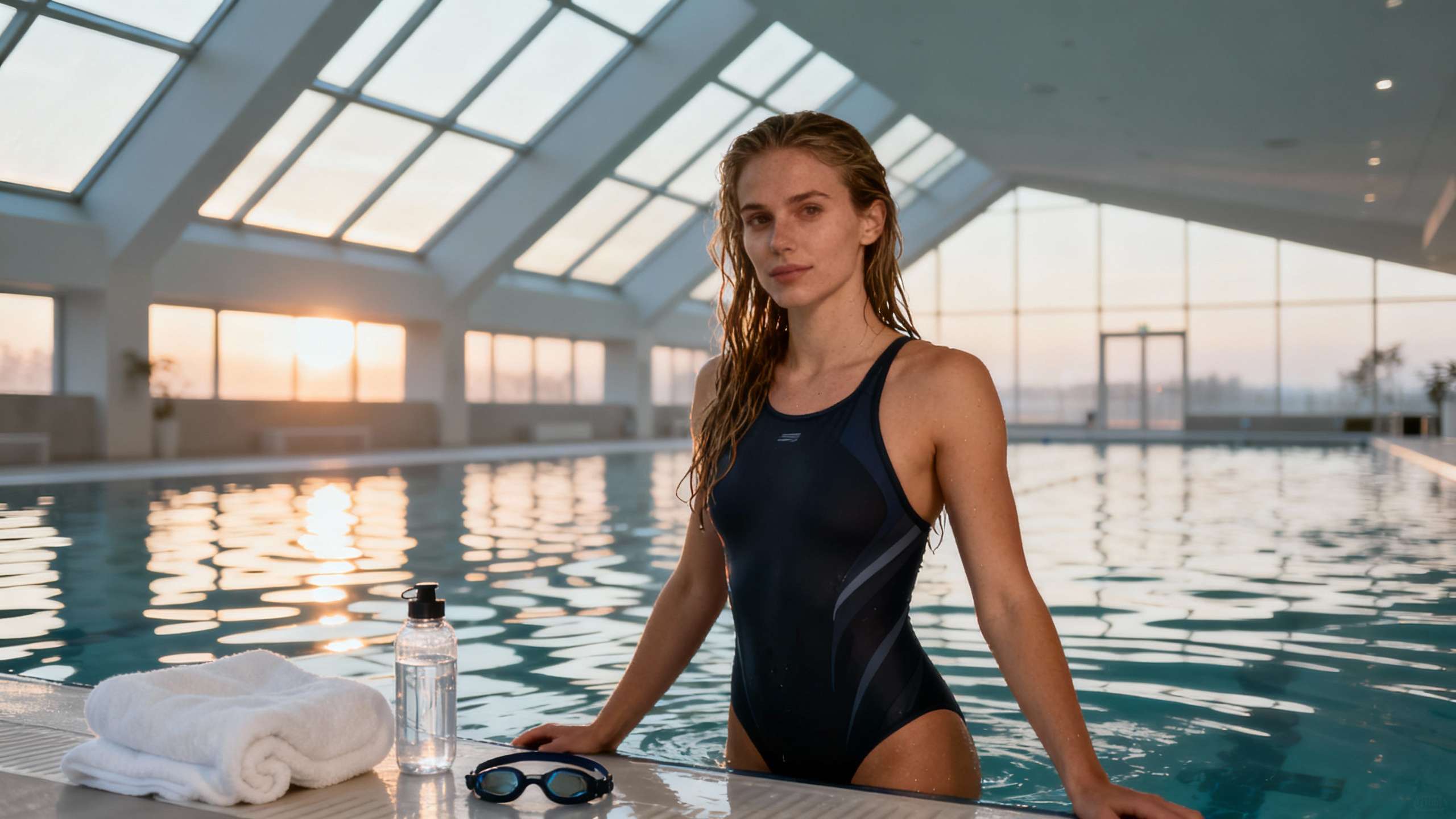
Table of Contents
- Chlorine: Essential For Safety, Brutal On Gear
- What “Anti-Chlorine” Fabrics Really Are
- Chlorine-Resistant Versus Chlorine-Proof
- What Chlorine Does To Swimsuit Materials: The Evidence
- Why Training Teams Need Anti-Chlorine Fabrics
- Durability, Budgets, And Uniformity
- Athlete Health, Comfort, And Confidence
- Performance In The Water
- Choosing Anti-Chlorine Fabrics For Your Team
- Fiber And Blend Selection
- Think Like A Test Lab, Not A Fashion Rack
- Match Fabric To Training Volume
- Care Habits That Protect Anti-Chlorine Gear
- Sustainability, Storytelling, And Team Identity
- FAQ: Anti-Chlorine Fabrics For Training Teams
- References
When you run a training squad at the pool, you live in a world of repetition: early alarms, endless laps, interval sets, underwater sprints, and deck talks that blur into one long season. What often gets overlooked is the gear that quietly takes a beating every single session. I am not talking about fins or paddles; I am talking about the workhorse of every aquatic program: the training suit.
If your team is still living in nylon–spandex fashion suits, you are leaking performance, budget, and athlete confidence into the chlorinated water. This is where anti-chlorine fabrics and chlorine-resistant design step in, and they matter far more than most coaches or team managers realize.
As someone who spends half the year around high-performance gear and the other half on pool decks with training squads, I can tell you that choosing the right fabric can change the way your team trains, looks, and feels in the water.
Chlorine: Essential For Safety, Brutal On Gear
Chlorine is non-negotiable. It keeps your pool safe by killing bacteria and neutralizing organic contaminants. In water, chlorine forms hypochlorous acid, a strong oxidizer. According to technical swimwear guides from textile specialists such as Mayi Swimwear, that same oxidizing power breaks down synthetic polymers and dyes over time. Fibers weaken, colors fade, elasticity disappears, and fabric starts to pill or thin.
Lifestyle swim blogs and fabric guides agree on the real-world effect for traditional suits made mostly from nylon and standard elastane. After weeks of regular pool use, these suits start to sag, lose compression, and may become worryingly see-through. Research summarized by fabric labs like Fumaofabric shows why. Polyester loses only about five percent of its strength after roughly two hundred hours in pool conditions, while nylon can lose around forty percent over the same exposure, and polyester retains far more of its original color than nylon under the same chlorine load.
Consumer-focused articles reinforce what you see on deck. Swimwear brands and training-wear guides describe standard fashion suits as rapidly fading, stretching out, and becoming thin in chlorinated water, especially when swimmers are in the pool several times a week. That is just physics and chemistry doing exactly what they were designed to do, only this time the target is your team’s uniforms.

What “Anti-Chlorine” Fabrics Really Are
You will see phrases like “chlorine-resistant,” “chlorine-safe,” and even “chlorine-proof” in catalogs. Under the hood, they all revolve around smarter fiber choices and tighter testing standards.
Chlorine-Resistant Versus Chlorine-Proof
Chlorine-resistant swimwear is generally defined as suits built from reinforced fabrics designed to withstand repeated exposure to pool chemicals. Technical overviews from brands such as Baleaf describe these suits as polyester- or PBT-based (polybutylene terephthalate) blends, sometimes with nylon or spandex, that are engineered specifically to resist degradation from chlorine, pool chemicals, and even sunblock.
Fabric specialists like Fumaofabric and Pine Crest Fabrics point to polyester and PBT as the backbone of modern anti-chlorine textiles. Polyester’s closed molecular structure and use of high-tenacity yarns make it far harder for chlorine to penetrate and break the fiber. PBT, a texturized polyester variant, is often blended with standard polyester to provide stretch without relying solely on chlorine-sensitive elastane. Competition blends such as roughly sixty percent PBT and forty percent polyester have been shown in club use to keep their shape after about one hundred fifty washes.
Some brands go further and market fabrics as “100% chlorine-resistant” or even “chlorine-proof.” Pine Crest Fabrics references XLANCE elastomer fibers used in recycled lines such as Atlantis Recycled and Nautilus Recycled, describing them as chlorine-proof, resistant to creams and oils, and capable of providing very high UV protection. Swimwear brands like Speedo and Arena promote families such as Endurance+ and MaxLife as fully chlorine-resistant, and independent guides (for example from Ness Swimwear) report that performance fabrics like these are rated for hundreds of pool hours before noticeable breakdown.
Behind these claims are test standards and lab protocols. Fumaofabric describes using standards like AATCC 162 and ISO 105-E03, running fabric through about fifty wet–dry cycles at pool-like chlorine levels near three parts per million, around 81°F, and considering fabrics acceptable if they can withstand approximately two hundred forty hours in chlorinated water with less than ten percent strength loss. That is what separates true chlorine-resistant training fabric from a fashion suit with a marketing tagline.
No suit is magically indestructible. Even chlorine-proof elastane still benefits from good care. But for a training team, moving to polyester- and PBT-based blends means you are working with materials specifically designed to fight the chemical environment they live in.
What Chlorine Does To Swimsuit Materials: The Evidence
Laboratory and field research back up what every veteran coach suspects.
A consumer science project presented at the South Carolina Junior Academy of Science compared multiple swimsuit fabrics: nylon–Lycra blends, recycled nylon with spandex, several polyester–PBT combinations, and polyester–spandex blends. Fabric swatches were stretched in hoops and submerged in chlorinated water. The statistically significant result supported the hypothesis that a 50 percent polyester and 50 percent PBT blend was the most resistant to chlorine-induced disintegration when strength, color, and elasticity were all measured.
Fabric labs provide more controlled data. Fumaofabric’s testing indicates polyester retains about ninety-five percent of its strength after around two hundred pool hours, while nylon loses close to forty percent over the same period. Polyester also maintains roughly ninety-five percent of its original color, while nylon may retain only around sixty percent under identical conditions.
Other sources add longer-term views. Mayi Swimwear cites a study in which suits lost more than sixty percent of tensile strength after three hundred hours in chlorinated water, with 100 percent Lycra or spandex suits sometimes sagging within weeks in real training use. In contrast, 100 percent polyester suits can last three to four times longer than Lycra-heavy options, and polyester–PBT blends used in performance ranges like Speedo Endurance+ are described as nearly chlorine-proof.
At the brand level, durability claims line up with this lab evidence. Simply Swim reports that some chlorine-resistant lines last up to four times longer than standard suits, with Zoggs Aqualast suits quoted at a minimum of roughly six hundred pool hours. Ness Swimwear notes that TYR’s Durafast Lite fabrics are rated for more than two hundred hours and Durafast One and Durafast Elite for about three hundred or more hours, while still delivering UPF 50+ sun protection.
Taken together, the message for training teams is clear. Polyester and PBT are not marketing buzzwords; they are a proven path to dramatically slower fabric breakdown in chlorinated water, and blends built around them have predictable, tested lifespans that fit real training calendars.
Why Training Teams Need Anti-Chlorine Fabrics
If you are managing a squad that hits the water several times a week, the stakes are higher than just how long the team suits look sharp on Instagram.
Durability, Budgets, And Uniformity
Training teams run on repetition. That means repeated chemical exposure. For a club or school program, this is not an individual consumer problem; it is a budgeting and logistics challenge.
Guides from Ness Swimwear and similar specialists point out that nylon- and elastane-focused suits are fine for leisure swimmers dipping into the pool once a week or less. But as soon as you are talking about club swimmers or competitive squads training three or more times weekly, the recommended fabrics shift firmly to 100 percent polyester and high-PBT blends such as Arena MaxLife, Speedo Endurance+, Funkita and Funky Trunks C-Infinity, and TYR Durafast One and Durafast Elite. These fabrics cost more upfront but are built to survive the training volume.
Industry case studies from textile suppliers echo that reality. One NCAA program reported that switching team suits from nylon–elastane to PBT-based fabrics cut replacements by about seventy percent over a single four-month training season and reduced apparel costs by roughly twenty-five to thirty percent, while also lowering textile waste. That is the kind of difference you feel when you manage team gear for an entire year.
Uniformity matters as well. When regular suits start fading, thinning, and losing shape at different rates, your squad shows up in a mix of shades, fits, and coverage levels. Chlorine-resistant fabrics hold color and shape much longer, so the whole team maintains a consistent, professional look. That impacts how your athletes feel walking onto the deck and how seriously officials, parents, and opponents perceive your program.
Athlete Health, Comfort, And Confidence
Chlorine is not only rough on apparel. It also has documented effects on the body, especially for athletes who essentially live in indoor pools.
Dental research from the University of New Mexico examined collegiate female swimmers and divers who practiced five or more times a week for one to two hours per session. Every athlete in the study showed extrinsic chlorine-related staining on their teeth, despite most of them brushing two to three times per day and getting regular professional cleanings. Respiratory research reviewed in journals like Respiratory Research has linked chronic indoor-pool chlorine exposure to airway irritation, non-allergic rhinitis, and asthma-like symptoms in highly trained swimmers.
Anti-chlorine fabrics do not fix the air you breathe. They do, however, play a role in reducing direct chemical stress on skin and hair, especially when you choose more coverage and smarter yarns. Chlorine-resistant suits often use slightly denser polyester-based fabrics. Articles from Baleaf and Pine Crest Fabrics describe these garments as a bit thicker than fashion stretch fabrics, which can offer extra coverage and modest warmth without feeling like a full wetsuit. Long-sleeve one-pieces, rash vests, and leggings in chlorine-resistant materials add more barrier area between skin and water, and many of these fabrics carry UPF 50+ ratings, reducing your dependence on sunscreen and the need for constant reapplication during outdoor sessions.
For athletes, comfort and confidence are performance variables. Knowing that their suit will stay opaque in backstroke starts and wall push-offs, that straps will hold, and that the fabric will not sag mid-season lets them focus on racing, not wardrobe malfunctions.
Performance In The Water
In high-performance sport, you never want your gear to become the limiting factor. In the water, that means suits must retain their fit, compression, and surface characteristics session after session.
Polyester-based chlorine-safe fabrics are praised by brands such as Baleaf and H2O Wear for their ability to retain shape and elasticity over repeated use in heated, chlorinated pools. That prevents sagging and supports consistent body position and hydrodynamics. Training suits built with PBT blends have stretch similar to spandex but hold that stretch over far more hours of chlorine exposure.
On the racing side, fabric development is heading even further into performance territory. Mizuno, for example, co-developed a new competitive knit fabric with Toray Industries using recycled polyester yarns and PFAS-free water-repellent finishes. Tests conducted with a university research team showed that this new fabric, marketed as Stream Fit Ribtex, reduced skin friction drag in water by about 2.6 percent compared with their conventional material, while still meeting internal water-repellency and stretch standards. While this particular development focuses more on drag and sustainability than chlorine resistance, it illustrates a broader truth: modern performance textiles can be both high-performing and more environmentally responsible. Training teams benefit when that R&D trickles into the training-suit category through more stable, lower-drag, and eco-minded fabrics.

Choosing Anti-Chlorine Fabrics For Your Team
When you spec team suits, you are essentially writing a performance brief for your athletes’ second skin. Here is how to think like a fiber engineer rather than a fashion buyer.
Fiber And Blend Selection
Multiple guides from Mayi Swimwear, Original Watermen, and Ness Swimwear align around a simple rule for chlorine-heavy environments: make polyester and PBT your foundation. Polyester is the most chlorine-resistant mainstream fiber and should make up the majority of the fabric content for daily pool use. Many experts recommend blends with at least eighty to eighty-five percent polyester, with high-performance training fabrics often around ninety percent polyester and ten percent spandex or elastane for stretch.
PBT-based blends, such as the 50 percent polyester and 50 percent PBT combinations studied in academic and commercial tests, deliver even more chlorine resilience while preserving elasticity without relying heavily on standard spandex. Brands like Speedo Endurance+ (around fifty-three percent polyester and forty-seven percent PBT) and Arena MaxLife (100 percent polyester) are marketed as fully chlorine-resistant, and independent retailer guides recommend them specifically for swimmers training three or more times per week.
Nylon, in contrast, is consistently described as less chlorine-resistant. Mayi Swimwear notes that nylon feels softer at first but deteriorates much faster in pools, while Fumaofabric’s testing indicates significantly greater strength and color loss for nylon versus polyester under identical chlorinated conditions. Guides from Original Watermen advise against nylon-dominant suits for regular pool use and suggest polyester-dominant blends instead.
Specialized elastanes can still have a place. Pine Crest Fabrics highlights Creora HighClo spandex, engineered specifically for high chlorine resistance. Fabrics that combine high polyester content with chlorine-resistant elastane, or with XLANCE fibers in some recycled lines, offer a strong balance of durability and comfort for athletes who demand stretch but cannot afford mid-season fabric failure.
Think Like A Test Lab, Not A Fashion Rack
Marketing claims are easy. Verified test data are harder to fake and far more useful when you are outfitting a team.
Fumaofabric emphasizes relying on certified lab data and full test reports for chlorine resistance and colorfastness, such as AATCC 162 for color change and ISO 105-E03 for chlorine resistance under realistic pool conditions. Their internal protocols keep fabrics in chlorinated water at realistic concentrations and temperatures for dozens of wet–dry cycles and require less than about ten percent strength loss to pass. Case studies from fabric suppliers show real financial value in this diligence, including one brand that avoided a potential loss of tens of thousands of dollars by catching a bad batch after lab testing instead of after customer complaints.
Retail-focused guides add practical benchmarks. Ness Swimwear cites estimated pool-hour ratings for different fabric families, with some soft polyamide–elastane leisure suits recommended for swimmers who use the pool less than once a week, and high-chlorine-resistance polyester and PBT fabrics positioned for club swimmers training three or more times weekly, often with expected lifespans of two hundred to three hundred or more pool hours. Simply Swim references Zoggs Aqualast suits rated around six hundred pool hours, showing how lab-based durability metrics can be translated into clear consumer expectations.
For a training team, choosing suppliers who can show you test standards, pool-hour ratings, or documented chlorine-resistance protocols is the difference between a confident, predictable season and a mid-year scramble to replace dead suits.
Match Fabric To Training Volume
Not every athlete on your roster needs the same fabric, but most training squads are closer to the “intensive use” end of the spectrum than the leisure side.
Ness Swimwear’s guide divides fabrics by recommended weekly pool frequency. Leisure swimmers at roughly once a week can be comfortable in soft, shaping fabrics such as polyamide–elastane blends. Regular active swimmers at about two sessions per week benefit from mid-durability chlorine-resistant fabrics like Arena MaxFit or TYR Durafast Lite, which blend polyester with a modest amount of spandex. For advanced or club swimmers training three or more times weekly, the recommendation shifts decisively to high-durability, polyester-based fabrics: Arena MaxLife, Speedo Endurance+, Funkita and Funky Trunks C-Infinity, TYR Durafast One, and TYR Durafast Elite.
Training teams nearly always fall into that last category. Your athletes log multiple sessions, attend training camps, and often race outdoors where UV exposure stacks with chlorine damage. For them, anti-chlorine fabrics are not a luxury; they are the baseline.
The relationship between training volume and fabric choice can be summarized this way:
|
Weekly pool load for the squad |
Fabric focus for team suits |
Example fabric families cited in guides |
|---|---|---|
|
Occasional leisure use (about once a week) |
Comfort-focused blends with some chlorine resistance, softer handfeel |
Speedo Endurance10, Arena BodyLift, Arena MaxFit, some nylon–elastane lines |
|
Regular active use (around twice a week) |
Polyester-based blends balancing stretch and durability |
TYR Durafast Lite, polyester–spandex mixes with high polyester content |
|
Intensive training and club use (three or more sessions weekly) |
High-chlorine-resistance polyester or polyester–PBT fabrics |
Speedo Endurance+, Arena MaxLife, Funkita and Funky Trunks C-Infinity and ECO C-Infinity, TYR Durafast One and Durafast Elite |

Care Habits That Protect Anti-Chlorine Gear
Even the best anti-chlorine fabrics can be destroyed by bad habits. The good news is that smart care requires more discipline than money, which fits nicely with a training culture.
Care guides from brands like Proswimwear and XtremeSwim lay out a consistent set of practices. After each swim, rinse suits thoroughly in cool, fresh water to flush out chlorine rather than relying on washing machines or harsh detergents. Mild soap is acceptable; strong detergents, bleach, and fabric softeners are not. Swimsuits should be allowed to air-dry fully, laid flat or draped on a rack. Hot dryers, poolside spin-dry machines, and direct high sun all accelerate fabric breakdown and color fade.
Avoid leaving a wet suit balled up in a towel in a gear bag. Proswimwear notes that wrapping a suit in a damp towel traps chlorinated water and chemicals against the fabric for longer, increasing damage. Hot tubs are another enemy; they often use additional chemicals such as bromine and run at higher temperatures than training pools, which speeds up breakdown even in chlorine-resistant fabrics.
XtremeSwim adds an equipment-side perspective: rough surfaces like concrete decks and bleachers are brutal on tech fabrics and training suits. Sitting directly on concrete can snag or wear through fabric, especially when athletes are already leaning forward in a compressive suit. Simple adjustments such as sitting on a towel or parka and changing out of tight tech suits between races reduce abrasion. Some brands also note that commercial chlorine-neutralizing products can help, but most of the benefit comes from the basics: rinsing, gentle handling, avoiding high heat, and keeping suits off abrasive surfaces.
For teams, these care routines can easily be turned into a standard post-session script: rinse, press in a towel to remove excess water, lay flat, and never cook the fabric in a dryer or hot tub. When athletes understand that their suit is a piece of performance equipment, not a disposable accessory, they treat it differently.
Sustainability, Storytelling, And Team Identity
High-performance training is not just about times on the clock. Teams increasingly care about the footprint of their gear and the story it tells.
Sustainability-focused fabric lines show that chlorine resistance and environmental responsibility can go hand in hand. Mayi Swimwear highlights eco-friendly chlorine-resistant options such as Arena MaxLife Eco, which uses at least fifty percent recycled polyester and is tested for two hundred or more pool hours, and Speedo Eco Endurance+, which combines fifty percent recycled content with full chlorine resistance and UPF 50+ protection. Pine Crest Fabrics and Fumaofabric describe recycled polyester (rPET) processed with chlorine-resistant finishes or ceramic shield additives that match the performance of virgin polyester while using ocean plastic as feedstock. One buyer in a case study reportedly shifted eighty thousand yards of fabric to recycled polyester, saved about nineteen cents per yard, avoided plastic-related taxes in certain markets, and saw a significant jump in social engagement and sales.
Other brands offer eco variants of performance lines. Funkita and Funky Trunks use C-Infinity, a 100 percent Italian polyester fabric with exceptional chlorine resistance, and ECO C-Infinity, which matches those performance characteristics while being spun from recycled plastic bottles. Mizuno’s Stream Fit Ribtex combines recycled polyester with PFAS-free water-repellent finishes and manufacturing changes that reduce energy and emissions, while still improving hydrodynamic performance compared with their previous competitive fabric.
For a training team, choosing anti-chlorine suits built from recycled polyester, high-chlorine-resistance yarns, and verified eco standards is not just a purchasing detail. It is a statement to athletes, parents, and sponsors that you are serious about performance and about the environment you train in. When you can say that your suits are engineered to last longer in harsh pool conditions and to reduce waste at the same time, your team identity moves beyond colors and logos into shared values.

FAQ: Anti-Chlorine Fabrics For Training Teams
Do anti-chlorine suits really last that much longer for teams that train daily?
Evidence from fabric labs and brand durability claims strongly suggests they do. Polyester and PBT-based suits have been shown in testing to retain around ninety-five percent of their original strength after hundreds of hours in pool conditions, while nylon-heavy suits can lose forty percent or more over similar exposure. Some chlorine-resistant lines are rated for two hundred, three hundred, or even six hundred pool hours. For a team training several times a week, that usually translates into multiple seasons of use rather than a suit dying mid-season.
Are 100 percent polyester suits always the best choice for training squads?
Not always. One hundred percent polyester fabrics offer excellent chlorine resistance but can feel tighter and less stretchy. Many training squads do very well with polyester–PBT blends or polyester-dominant fabrics that include a small percentage of chlorine-resistant elastane. Academic work on durability and brand tests both point to roughly 50 percent polyester and 50 percent PBT as an especially resilient combination, and commercial families like Speedo Endurance+ and Arena MaxLife blend performance, stretch, and long life in chlorine. The right choice depends on your athletes’ preference for feel versus maximum lifespan, but nylon-dominant suits are rarely optimal for daily pool use.
Does chlorine-resistant fabric reduce health risks from pool chemicals?
These fabrics are primarily designed to protect the suit, not the swimmer’s lungs or teeth. However, they can still contribute to a better overall exposure profile. Durable, high-coverage suits and rash guards in chlorine-resistant fabrics help shield more skin from direct chemical contact and often come with built-in UPF 50+ sun protection, which means less reliance on sunscreen in outdoor training. That said, respiratory and dental effects of chlorine documented in studies, such as increased extrinsic tooth staining and airway irritation in frequent swimmers, must still be addressed through water-quality management, ventilation, hygiene, and dental and medical care, not through swimwear alone.
Anti-chlorine fabrics are not just a nice-to-have upgrade for training teams; they are performance infrastructure. They protect your budget, your athletes’ confidence, and your program’s identity while standing up to the harshest daily environment in sport. Outfit your squad in chlorine-ready gear, treat those suits like the technical equipment they are, and you give your team one more competitive edge every time they hit the water.
References
- https://pubmed.ncbi.nlm.nih.gov/33240355/
- https://scholarexchange.furman.edu/scjas/2016/all/206/
- https://www.researchgate.net/publication/340163849_The_influence_of_chlorine_in_indoor_swimming_pools_on_the_composition_of_breathing_phase_of_professional_swimmers
- https://blog.h2owear.com/chlorine-resistant-swimwear-for-pool-workouts
- https://fumaofabric.com/what-is-chlorine-resistant-swimwear-fabric-and-how-is-it-tested/
- https://www.mayiswimwear.com/blog/chlorine-resistant-swimwear-fabric
- https://szoneierfabrics.com/how-swimwear-fabric-technology-is-changing-the-swimwear-industry/
- https://au.baleaf.com/blogs/all-blogs/why-you-need-chlorine-resistant-swimwear?srsltid=AfmBOoowrYuSiYb7dwQRWeyaQY_rMeNsDa4dWJAPLMznBNjKNS_BM-hH
- https://respiratory-research.biomedcentral.com/articles/10.1186/s12931-020-01350-y
- https://www.nessswimwear.co.uk/blog/post/chlorine-resistant-swimwear-fabric-guide.html?srsltid=AfmBOopldNJ_kqRH2i5oul-w_0yOw4UKCghAyQ_ZaeotRN-V_rP2UTBA
RELATED ARTICLES


Ready to start your sportswear brand?
Get a free quote for custom sportswear manufacturing with no minimum order quantity.